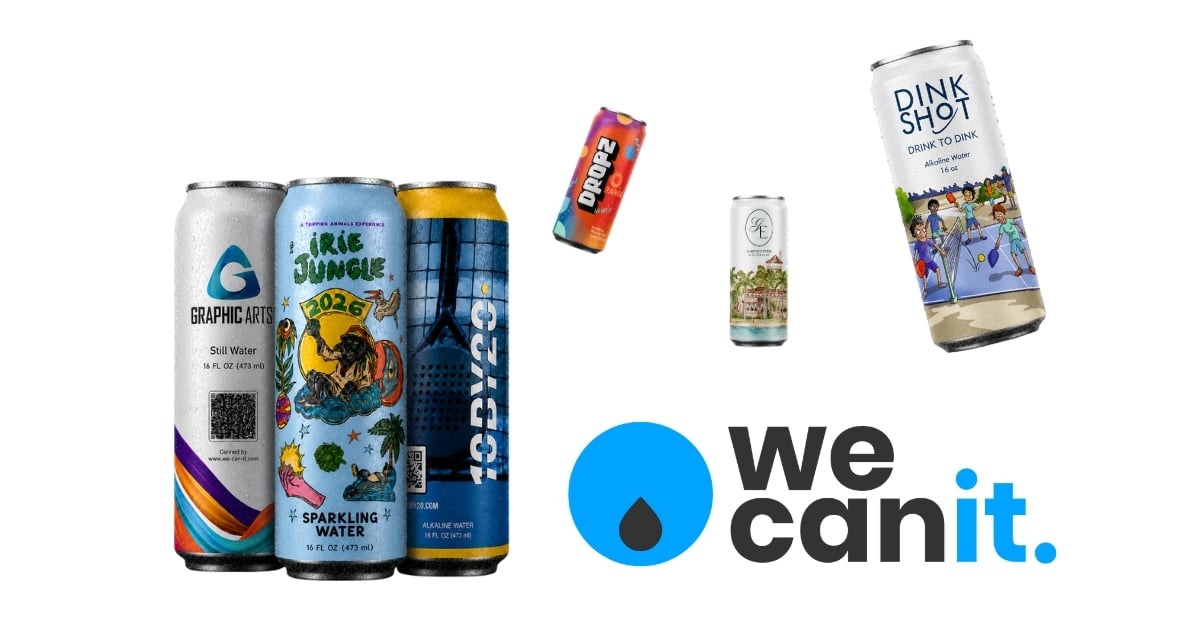
How Hotels Turn Private Label Canned Water into Amenity Upsells
Walk into almost any boutique hotel and you will find water waiting for the guest. The question is whether that pour looks like your brand.
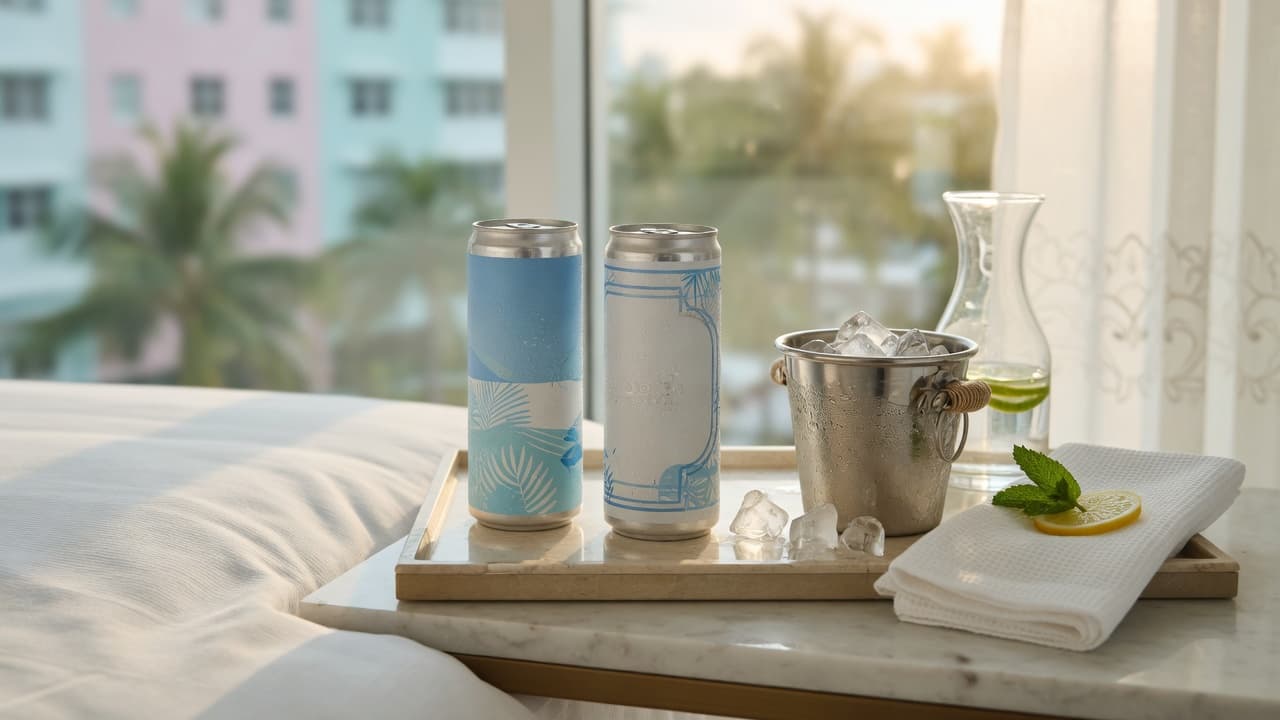
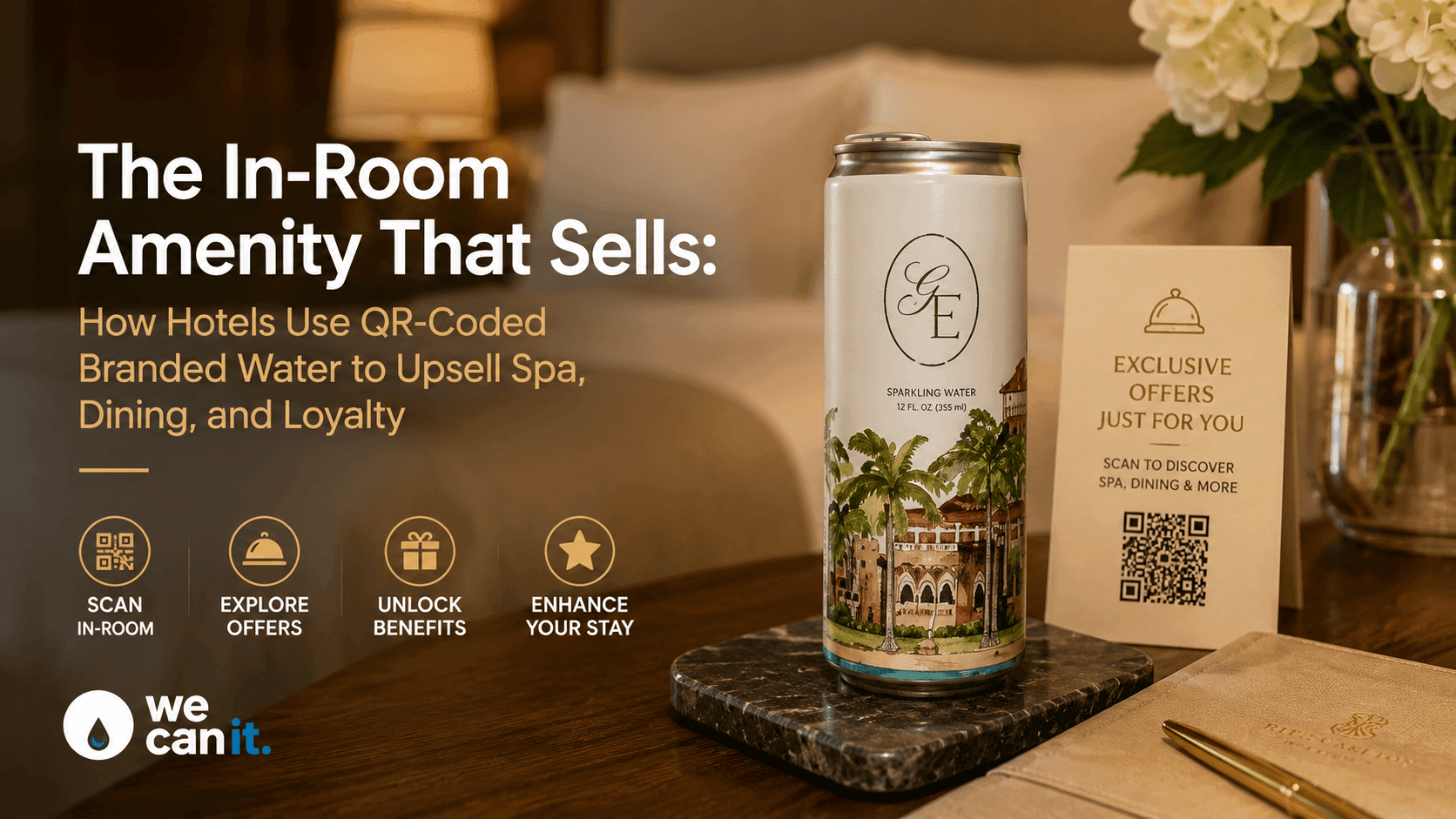
The guest has just closed the suite door. Bags on the bench, AC already humming, city light on the curtain. On the tray by the ice bucket sits a single pour of water. In that first quiet minute, before they open the app or call the desk, they notice whether the property feels intentional or improvised. The water either looks like your brand or like something from the back of the house.
Private label canned water for hotels is not a novelty gift. It is the amenity you already budget for, redesigned so the cooler photographs well, the tray matches the room story, and the same pour can open spa, dining, or loyalty without another email. This guide is for CMOs, brand experience managers, and F&B directors who want amenity water to earn its keep.
What is private label canned water for hotels?
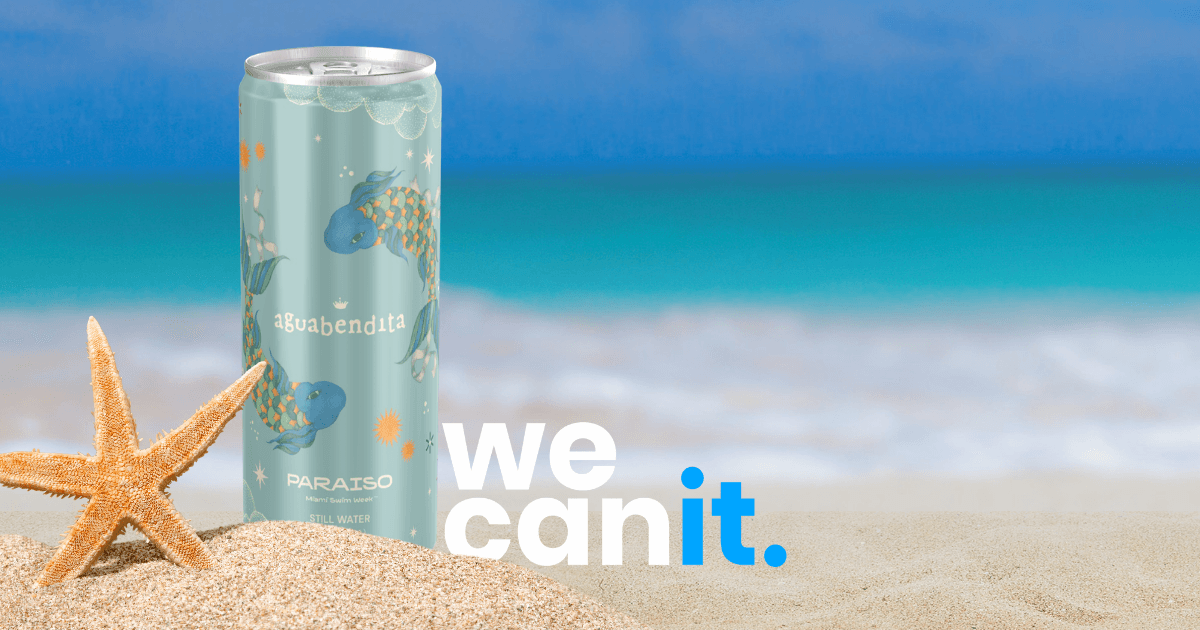
Private label canned water for hotels is still, sparkling, or alkaline water filled into aluminum cans with your property brand on the wrap. You choose the design, the size, and the water type. The manufacturer produces and ships cases you stock in suites, welcome stations, pool bars, and meeting floors.
Unlike promo imprint catalogs that put a logo on stock packaging, private label is built for reorders that look the same season after season. Multi-property groups need that consistency. Guests notice when suite water feels intentional. They also notice when it does not.
Why do hotels care about the can and not only the water?
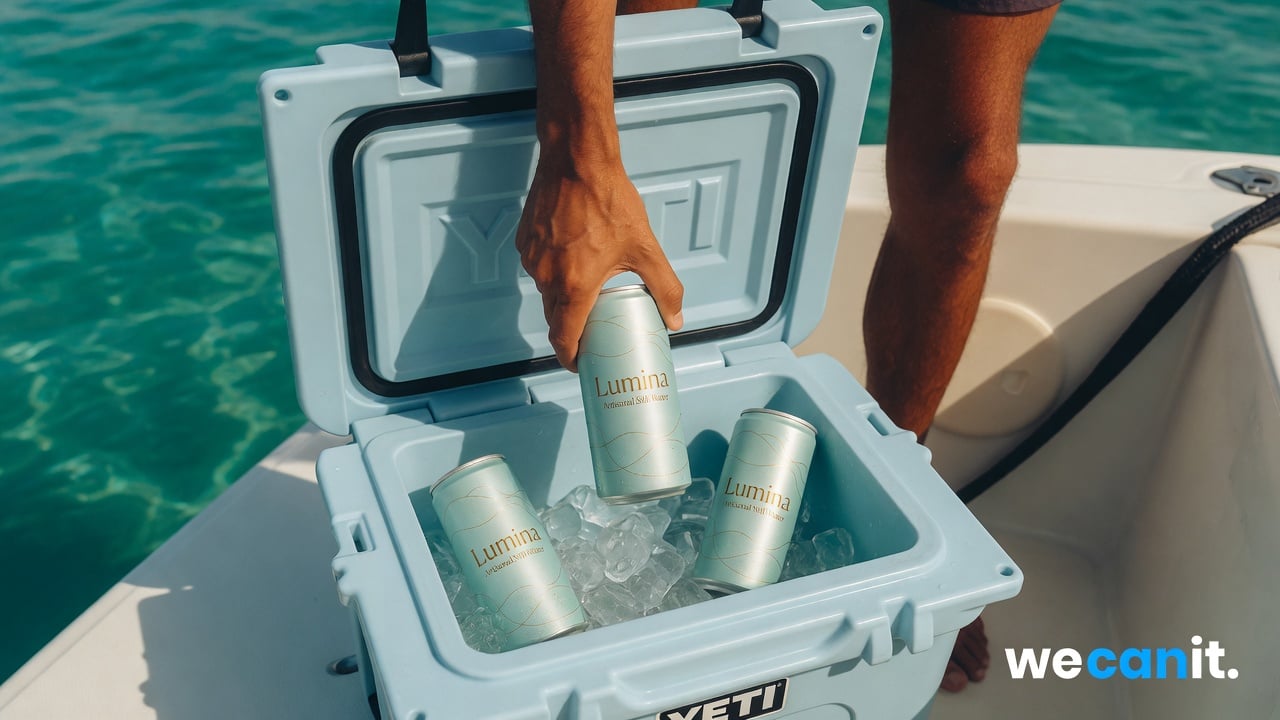
Guests notice packaging before they notice minerals. A full-wrap aluminum can feels premium in the hand, stacks cleanly in a cooler, and stays out of glass-risk zones near pools. When the wrap matches the room design system, the amenity feels planned. When it does not, the room story breaks for a moment every guest experiences.
That moment is cheap relative to a spa campaign and more honest than a lobby poster no one reads. Amenity water is already in the guest's hand. The only question is whether it works for the brand.
The amenity problem hotels already pay for
Most amenity water is a pure cost line. It carries no message, drives no spa bookings, and gathers no feedback. Meanwhile your best upsell moments pass quietly: after check-in, post-pool, before dinner, mid-meeting. Guests are thirsty and attentive. Staff are busy elsewhere. Signage and email lose the race.
The can in the suite is already where attention lives. Treat that as hospitality first and invitation second. Guests did not book a water seminar. They booked a stay. The can should feel inevitable, not salesy.
How private label cans support upsells without feeling pushy
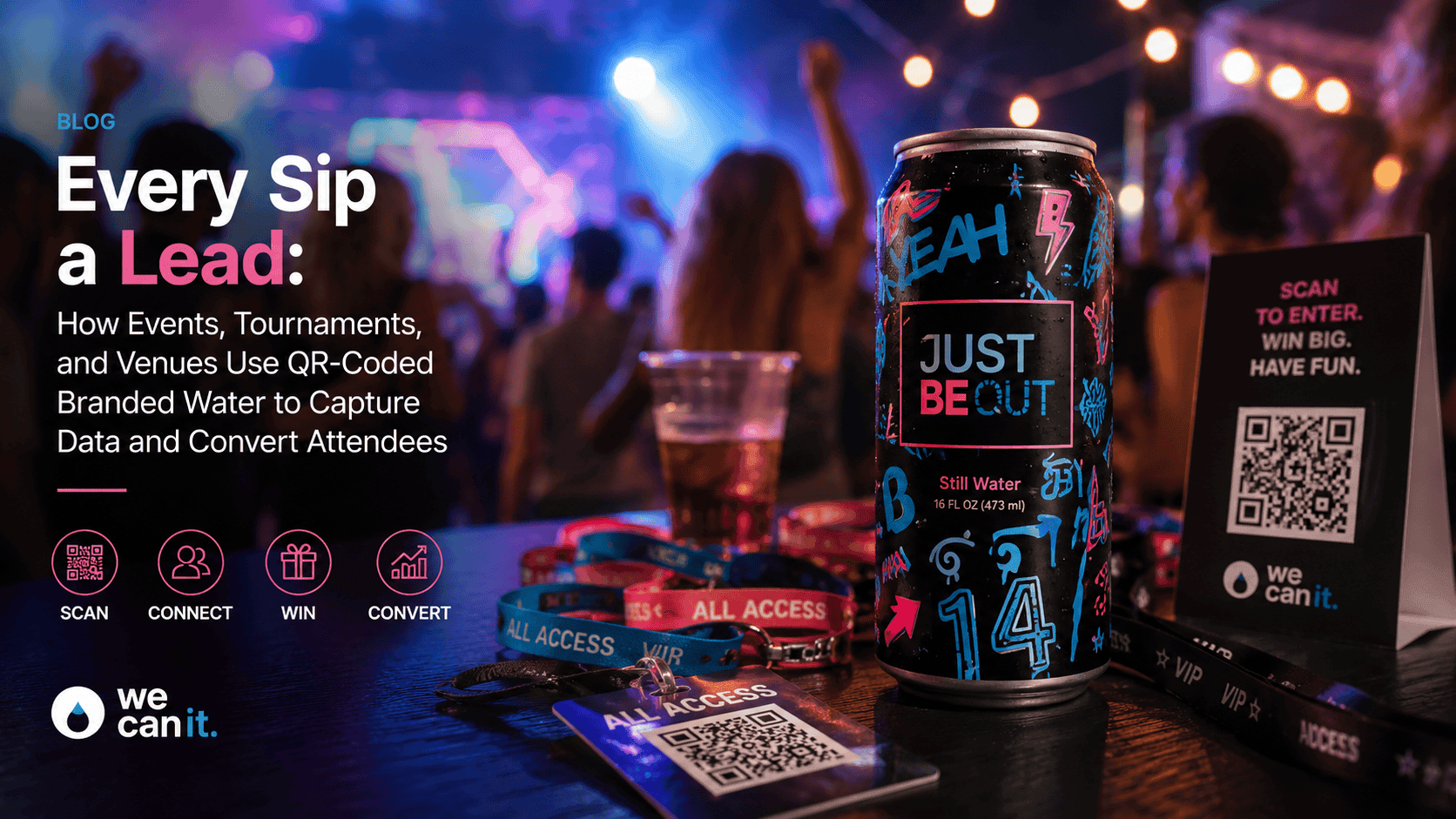
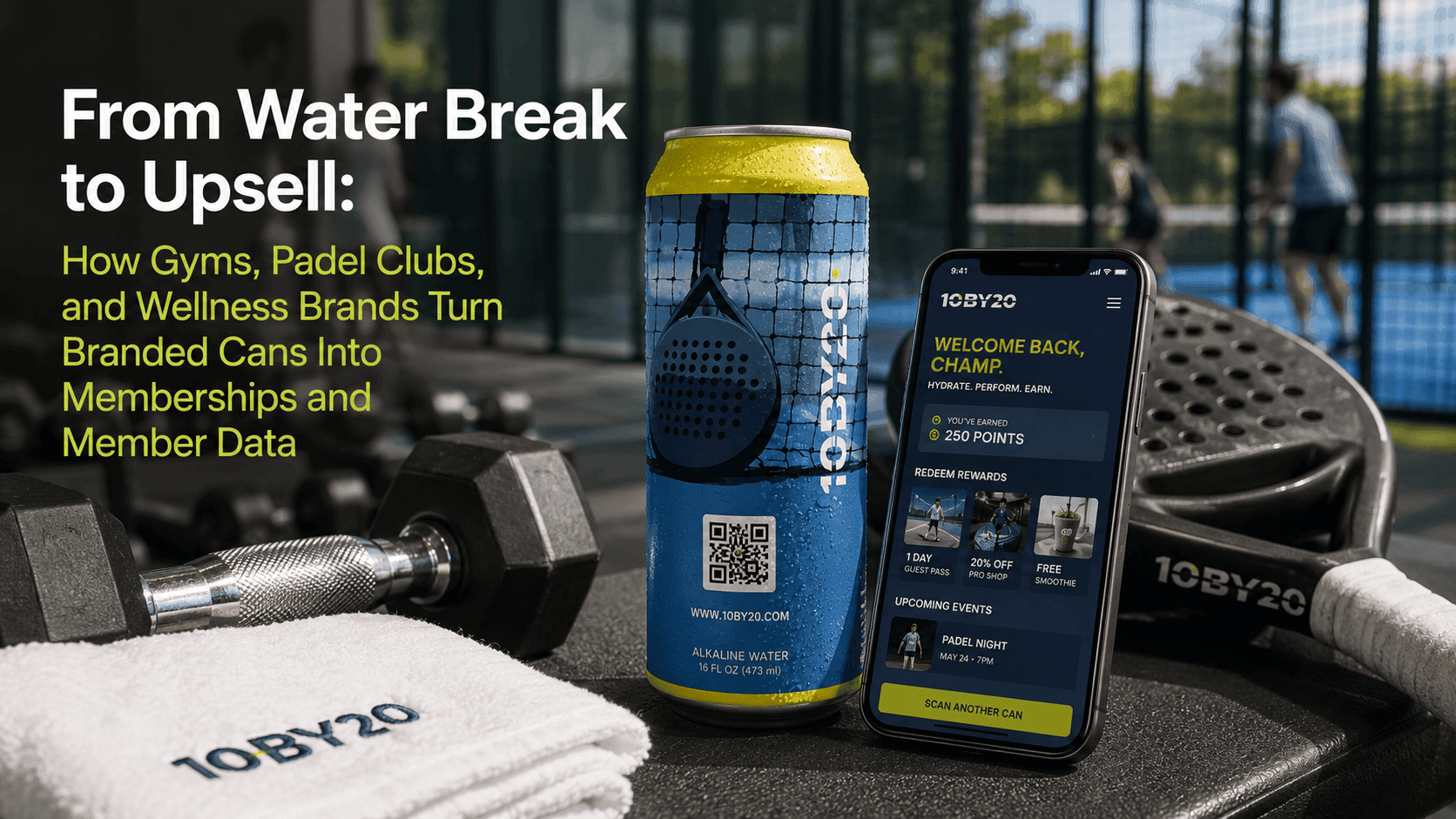
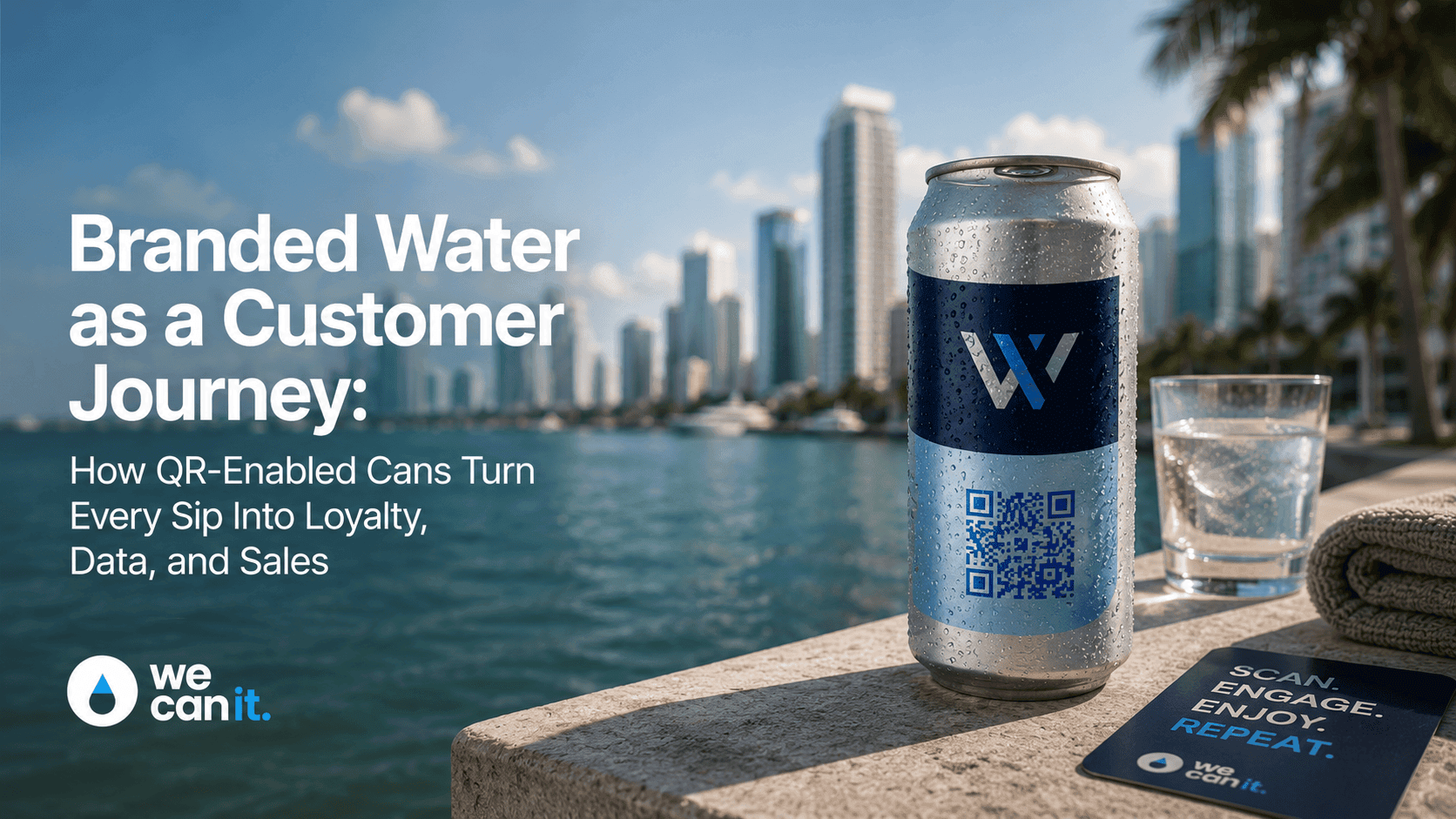
Think of the pour as the product and the QR as the soft invitation. A short, honest journey on the wrap can open spa booking while the guest is unwinding, in-house dining at the right hour, late checkout or cabana offers, or a loyalty signup that is not buried in an app store maze.
Keep the journey short. Empty QR destinations damage trust faster than no QR at all. If the page is not live on mobile data, do not print the code. Print a beautiful can. Add the journey on the next reorder when the path is real.
Brand experience managers do not need a fake dashboard screenshot in a planning deck. They need a pilot with real counts: scan rate by station (suite vs lobby vs pool), conversion to booking or loyalty join, reorder timing after the first week of consumption, and guest comments that mention packaging or brand. Those four numbers tell you whether the cooler is working.
What hotels should demand from a private label partner
Before you lock art, check five simple things that separate manufacturing partners from promo catalogs.
- Low minimums so one floor or one event can pilot (We Can It starts at 21 cases / 504 cans)
- Lead times that match openings and high season (about 2 to 3 weeks from artwork approval is typical)
- Sizes that fit service (12oz Regular, 12oz Sleek, 16oz)
- Print paths for pilots and larger programs (label from 21 cases, digital print from 100)
- A clear quote path through a calculator or custom quote, not a black-box call loop
We produce private-label still, sparkling, and alkaline in Miami and ship nationwide. Our manufacturing and packaging process is described for you here: Technology · Water and Products. Questions? Get a quote and a product advisor will email you quickly.
If you have only seen "logo on a stock bottle" promo sites, that is a different world. Private label means your brand system, your sizes, and a partner who can grow with you when one floor becomes a portfolio program.
Still, sparkling, and alkaline on property
Still is the everyday amenity for suites, welcome trays, and meeting coolers. Sparkling lifts bar trays, VIP arrivals, and celebrations. Alkaline fits when the property sells premium wellness and the pour should match that story.
Many hotels launch still first for volume, then add sparkling for peak moments under one brand system. Guests should recognize the property whether they grab still after a run or sparkling at the bar. Changing silhouettes every quarter trains nobody. Stable art builds recognition.
How F&B directors stock branded cans day to day
F&B directors care about tray aesthetics, station hours, and whether the pour creates tickets or complaints. Still water in a branded can solves the quiet failures of generic bottles: mismatched logos, awkward PET shapes on a premium tray, and zero story for the guest who only came for a drink of water.
A practical station plan is simple. Welcome and suite trays run still-first. Pool and cabana stay glass-free with aluminum only. Bar and VIP arrivals add sparkling when the moment is celebratory. Meeting floors keep still for all-day volume. Train staff to treat the can as part of the brand story in one sentence, not a five-minute pitch.
What does a CMO get that a pure cost line never delivered?
Consistency across photos, influencer stays, and group business. When every suite shot shows the same wrap, the property identity compounds. When water is random, marketing spends elsewhere to rebuild the feeling the amenity could have carried for free. That is not abstract brand theory. It is how amenity spend stops competing with digital ads for the same job.
Production path hotels can reverse-plan
Private label still follows a clear sequence once art is ready.
- Lock brand art for can geometry
- Approve digital proofs
- Print (label or digital)
- Fill the water type you chose
- Ship cases of 24 to the property or dock
Artwork lock starts the clock. Soft art is the most common reason an opening weekend misses the cooler. Inquiry date is when someone asks for a quote. Artwork approval is when design is locked and ready for print. Only the second starts production.
A realistic planning sprint looks like this. Days one and two align brief and budget band. Days three and four cover design and stakeholder review. Day five locks proof approval and the quote. Then production runs about 2 to 3 weeks from approval, with freight padded on top. After delivery you stock, train, measure, and reorder. If your date cannot fit that sprint, change the date or the scope. Do not pretend the factory can absorb a late art file without tradeoffs.
Multi-property rollouts without chaos
Groups with more than one door should standardize art early. One brand system, one reorder process, one manufacturer. Local GMs can still choose case counts by occupancy. What they should not choose is a different can silhouette every quarter.
Pilot one hero property for two weeks. Capture cases consumed by station, guest comments, photo usage in social and sales decks, and any ops friction on receiving or storage. Then roll the same art to the next property. That is how you avoid twelve one-off experiments that never become a program.
When an agency owns creative and you own the cooler, misalignment is expensive. Use one shared brief with five fields only: guest moment (suite, lobby, pool, meeting floor), primary promise in one sentence, water type mix and why, must-have legal or brand constraints, and the success metric for the first reorder decision. Everything else is decoration. Briefs that try to solve twelve goals produce packaging that solves none.
Pricing without fake list rates
Unit cost moves with case count, can size, print path, and water type. Sparkling can carry a small per-can premium. We do not invent shelf prices here. Run the instant quote calculator with real inputs: cases, size, print method, and whether still and sparkling share the brand. Bring those four things so finance gets numbers you can defend.
Buyer checklist for hotel amenity programs
- Confirm minimum order supports a single-floor pilot (21 cases / 504 cans at We Can It).
- Confirm lead time from artwork approval, not first inquiry.
- Confirm sizes for tray and cooler service (12oz Regular, 12oz Sleek, 16oz).
- Confirm multi-SKU support if sparkling will join later.
- Confirm QR destinations are real on mobile before print.
- Confirm freight to the property date and receiving hours.
- Name a reorder owner after the first real consumption week.
- Keep one brand system across properties even when case counts differ.
What good looks like after the first season
You will know the program is working when reorders place without redesign panic, staff can explain the can in one sentence, photos in sales decks look intentional, finance sees a clean pilot-to-program path, and guests notice the brand instead of the generic bottle. That is the bar. A program is just a pilot that earned a standing reorder. Keep the art stable. Adjust case counts by season. Add sparkling or alkaline only when the base still SKU is trusted.
If your team is building a broader Florida story, pair this post with custom water cans in Florida. For digital journeys on the wrap, see Digital experience.
FAQ
Can hotels order private label water without a 10,000-unit minimum?
Yes. We Can It starts at 21 cases (504 cans). That is built for pilots and boutique properties, not warehouse-scale commits before guests have held the can.
How long does production take?
About 2 to 3 weeks from artwork approval is typical. Reverse-plan from the opening or event date, including freight. Soft art is what breaks the timeline, not the fill line itself.
Can we run still and sparkling under one brand?
Yes. Still for amenity volume, sparkling for F&B peaks, same art system. Guests should recognize the property across pour types.
Where should hotels put QR codes?
Only where the journey is live: spa booking, menu, loyalty, or survey. Measure scans by station after the pilot. Never print a code to a page that is not ready on mobile data.
What sizes work best for suite trays?
Many hotels prefer 12oz Regular or 12oz Sleek for trays and welcome stations, with 16oz for pool and meeting volume. Confirm what your service style actually holds before you lock art.
Who should own the first pilot?
Brand or marketing owns art and the guest promise. F&B owns station plan and stocking. Ops or finance owns quote approval. Facilities owns receiving. Marketing owns the one-week readout. Keep ownership light so the work does not bounce between inboxes for a week.
Get a quote for hotel private label canned water
Ready to make amenity water look like your brand? Start with a real case count, lock art with people who can approve it, and reverse-plan freight from the guest date.