Best Brand Ambassador Kits: Aluminum Water Cans That Travel
Brand ambassadors live out of duffels and dollies. Aluminum water cans travel cleanly, stack in cases of 24, and look intentional on camera.
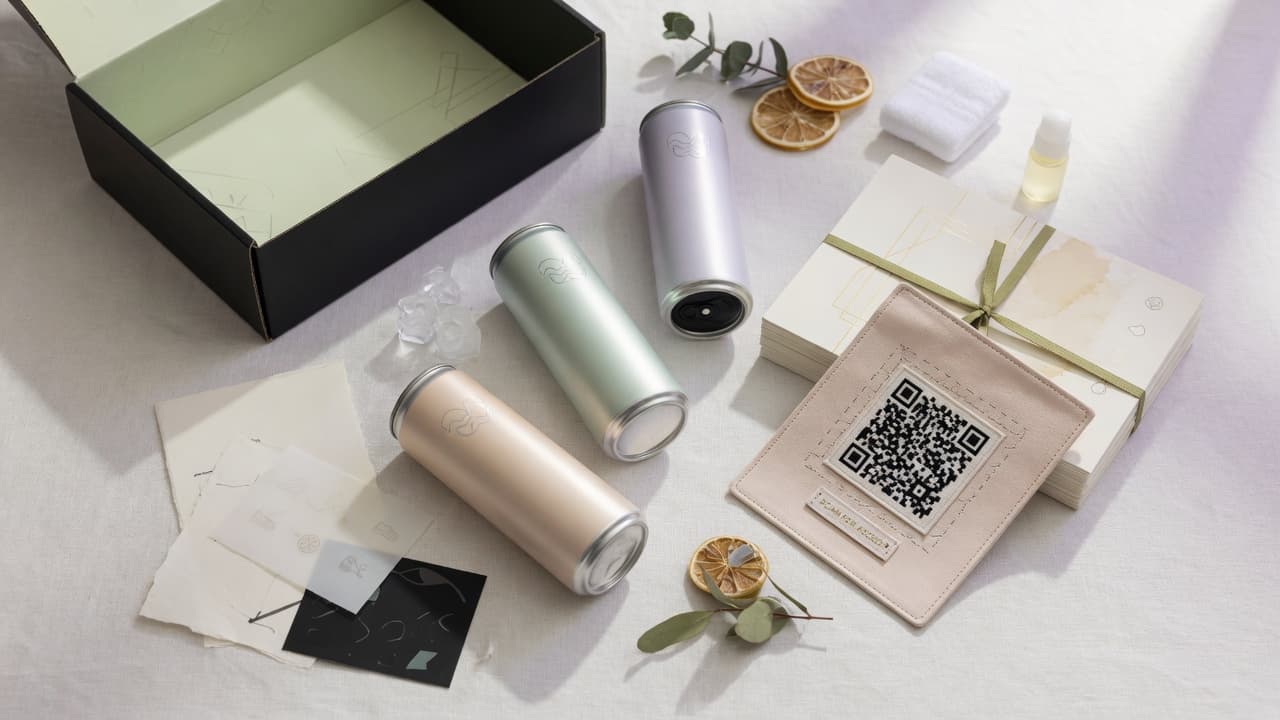
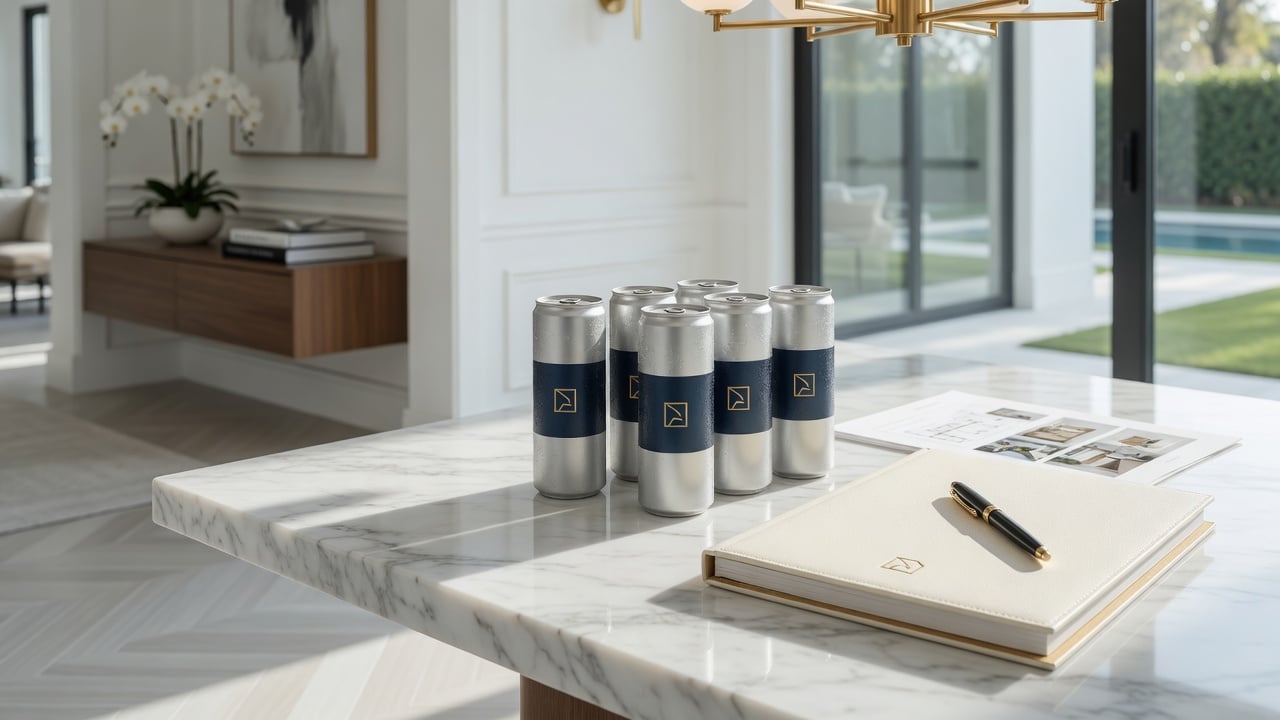
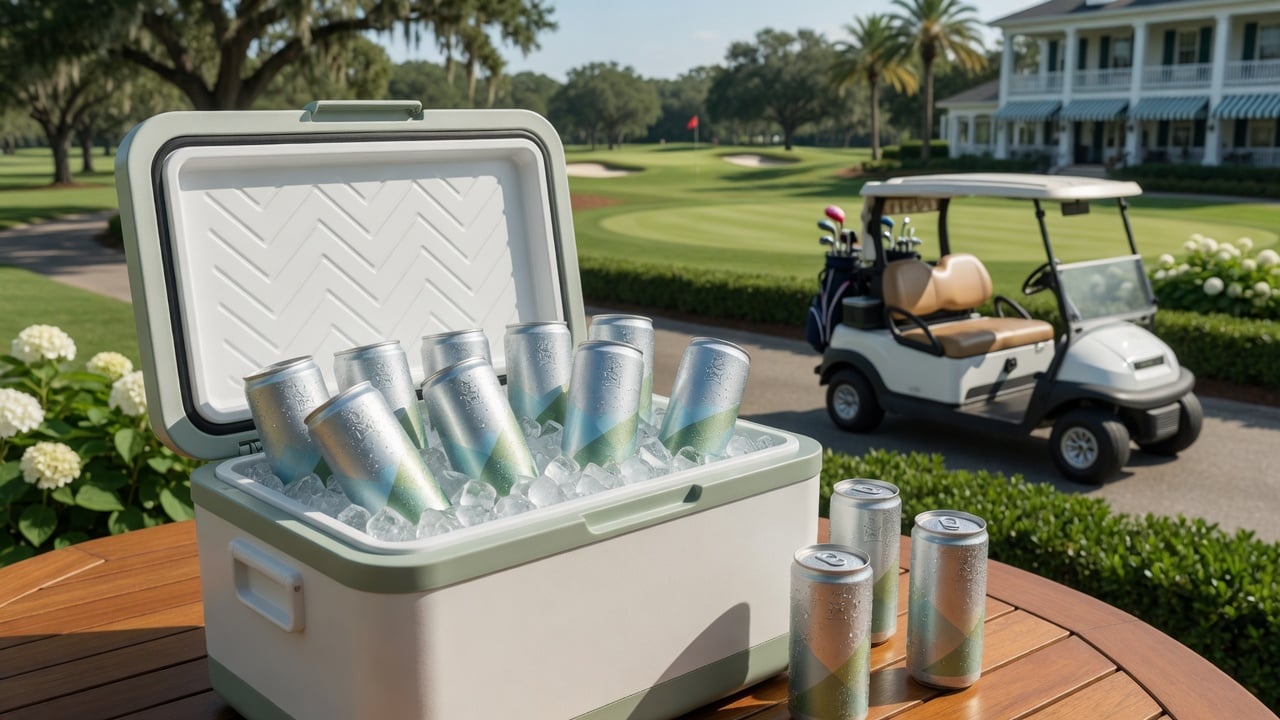
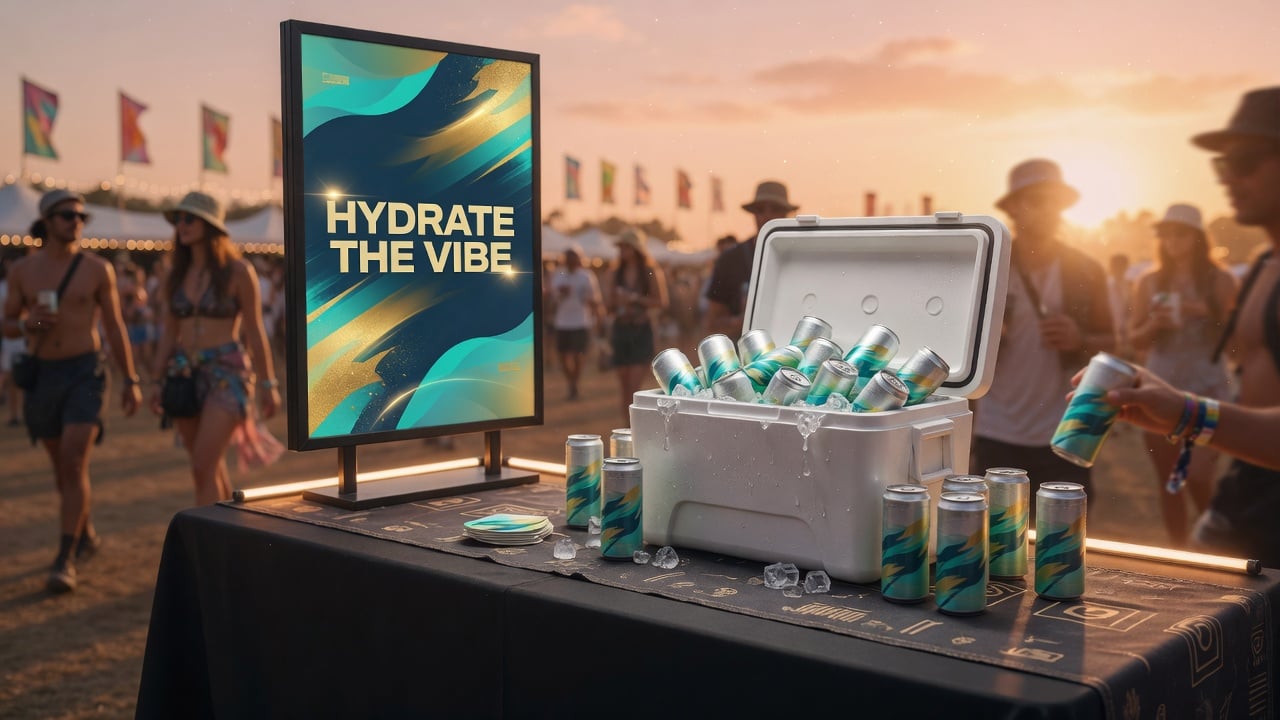
Brand ambassadors live out of duffels, dollies, and borrowed coolers. If the kit is heavy, fragile, or ugly in photos, the activation suffers before the first guest line forms. Aluminum water cans give field teams a brand surface that travels cleanly, stacks in cases of 24, and looks intentional on camera without a glass risk that turns a plaza activation into a safety conversation.
This guide is for brand ambassador directors, experiential producers, and field marketing managers building kits that survive real load-ins, not only the photoshoot that happened in the studio three weeks earlier. If your team has ever arrived at a plaza with beautiful creative and no way to stage a clean cooler wall, you already know the gap this post is trying to close.
What belongs in a brand ambassador kit with branded water cans?
A strong brand ambassador kit pairs private-label aluminum water cans with the tools needed to serve, sell the story, and capture proof. The water is not swag filler. It is the guest-facing product that hydrates, photographs, and optionally opens a digital journey when the exchange is fair.
At We Can It, private-label cans start at 21 cases (504 cans) with about 2 to 3 weeks from artwork approval in Miami. That pilot floor fits a regional tour weekend or a single market test before you kit an entire season.
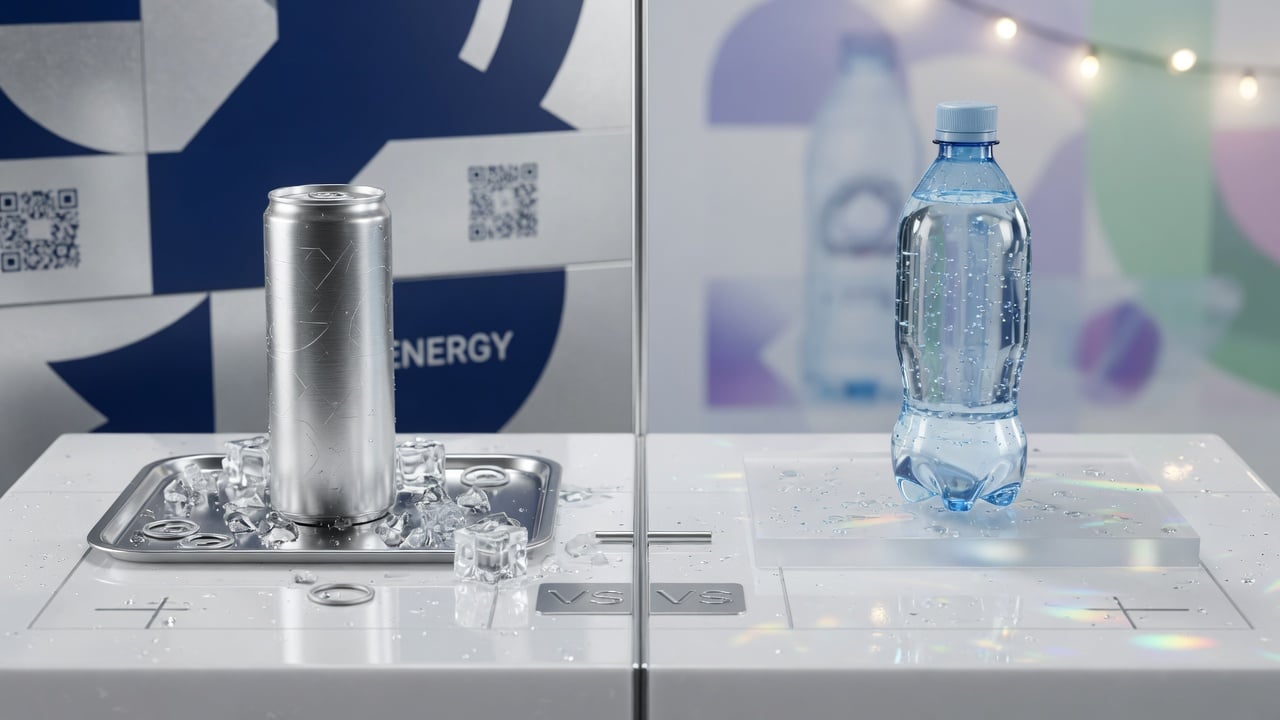
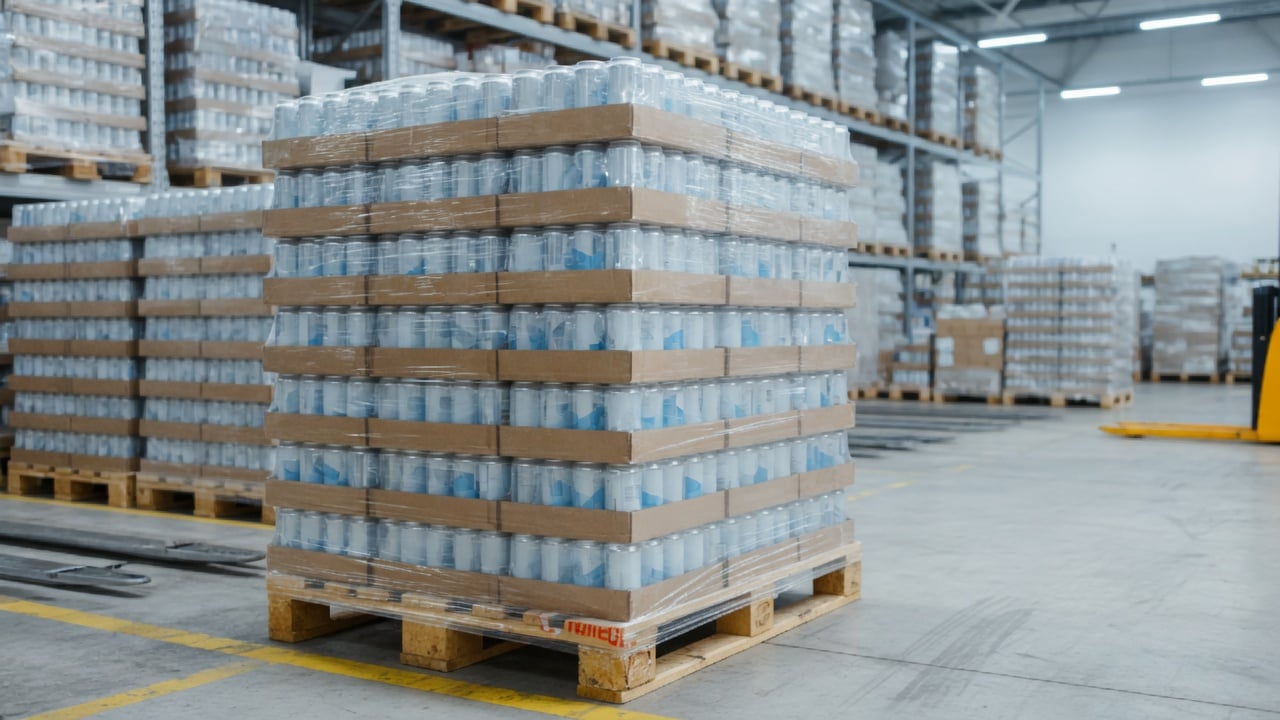
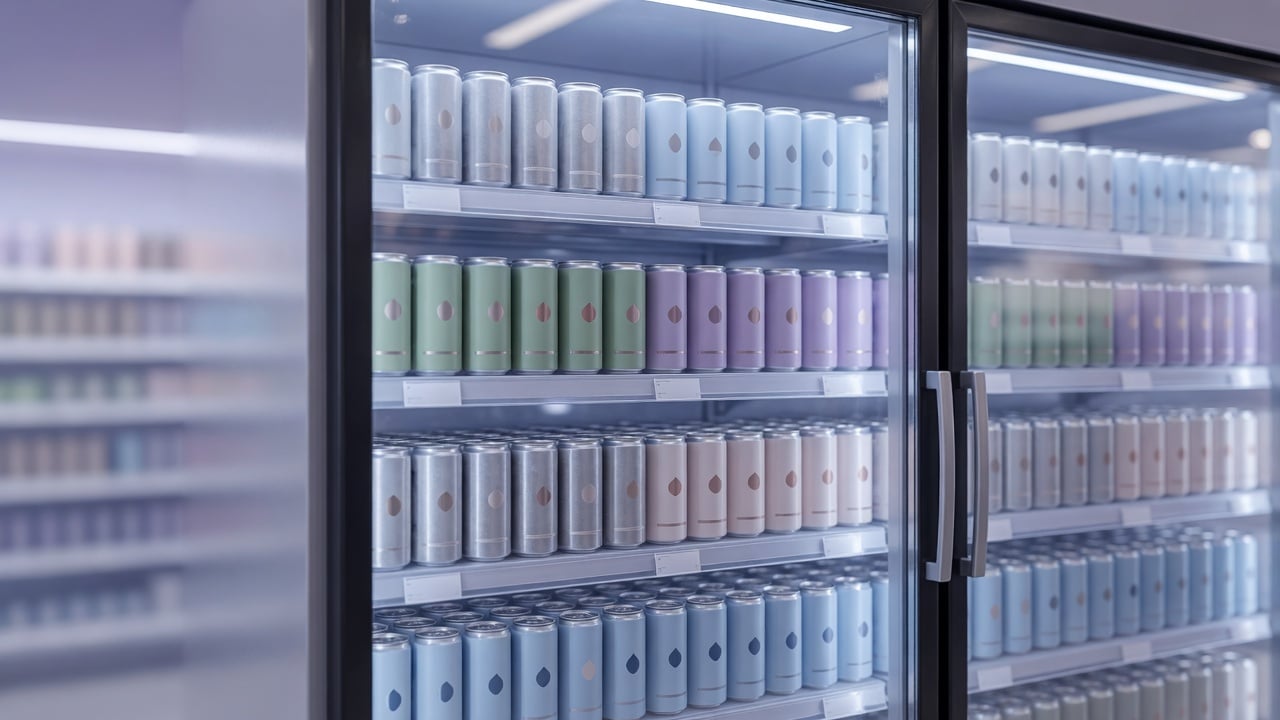
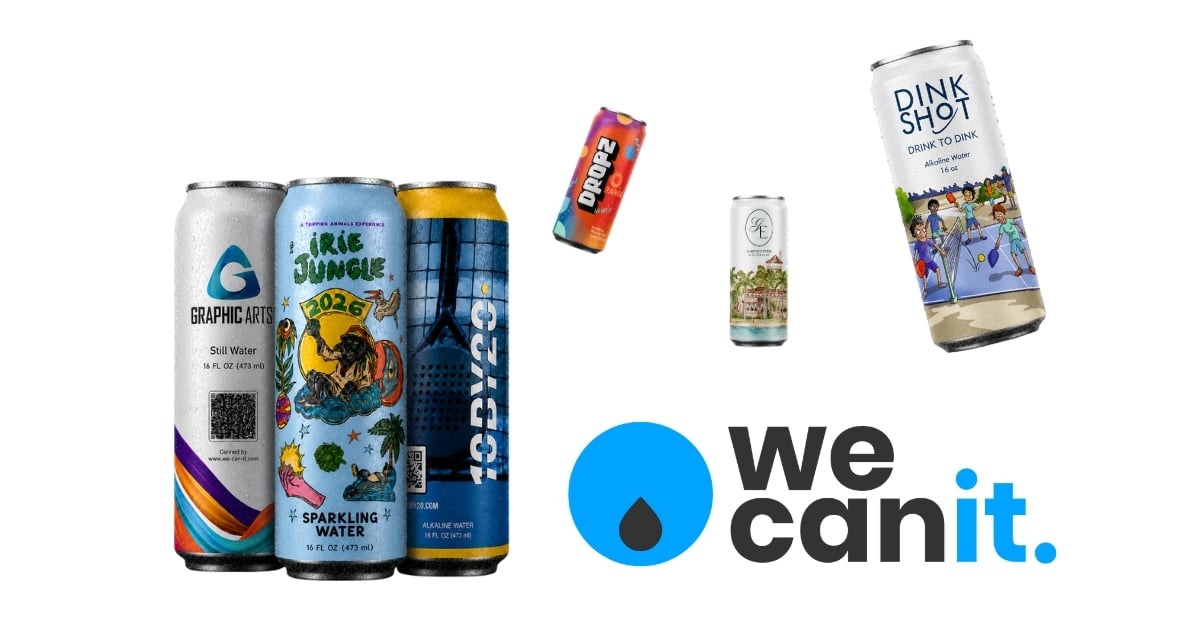
Aluminum cans travel better for many field programs because cases of 24 are easy to count and stage, full wraps read in social content, there is no glass breakage near plazas and outdoor stages, cooler density beats loose bottle sprawl, and reorders match the first run when art stays stable. Promo imprint bottles can still fit pure sample giveaways. If ambassadors will work the same brand story for a quarter, treat water as private label infrastructure.
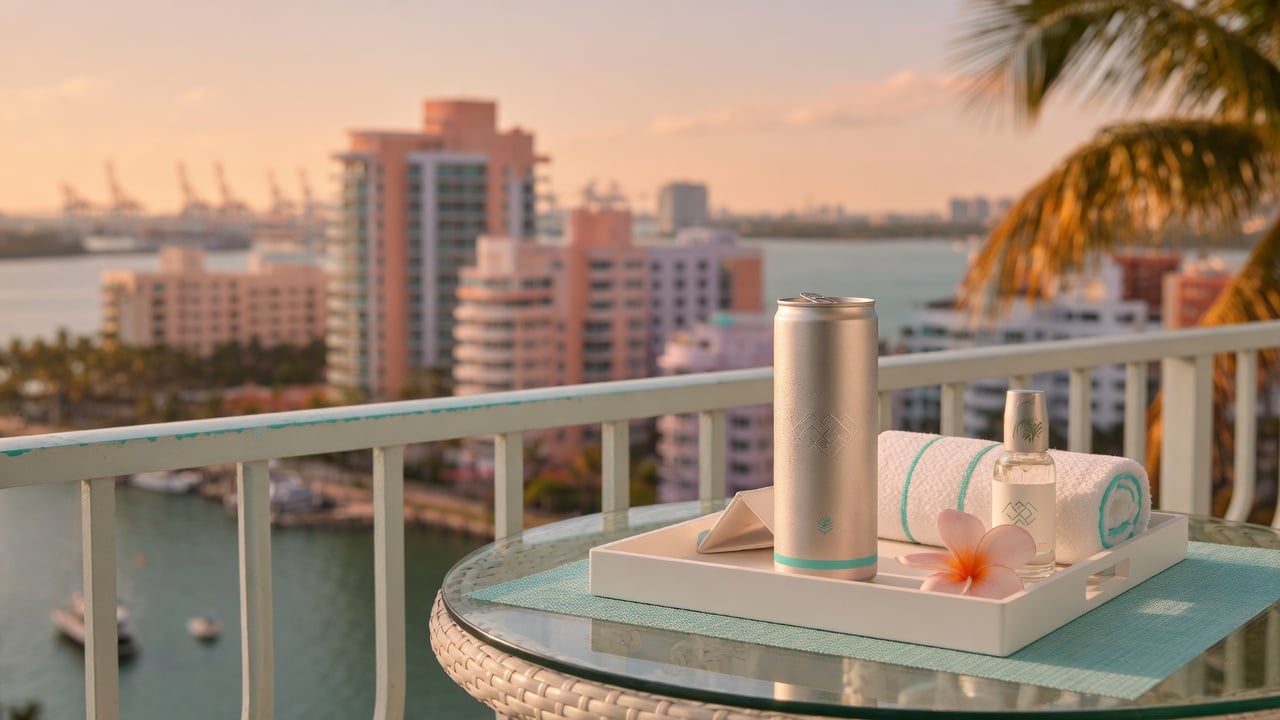
Field guests form opinions fast. They are hot, distracted, and holding a phone. A full-wrap can that looks intentional earns a second look. A random bottle from a mixed sleeve becomes background noise. That difference shows up later in content libraries and sponsor recaps even when nobody mentions water in the debrief.
Core kit inventory checklist
If an item does not help hydrate, brand, or report, leave it out. Kits fail from clutter as often as from missing product.
- Branded still water cans as the volume base
- Sparkling cans only when the moment is celebratory (optional)
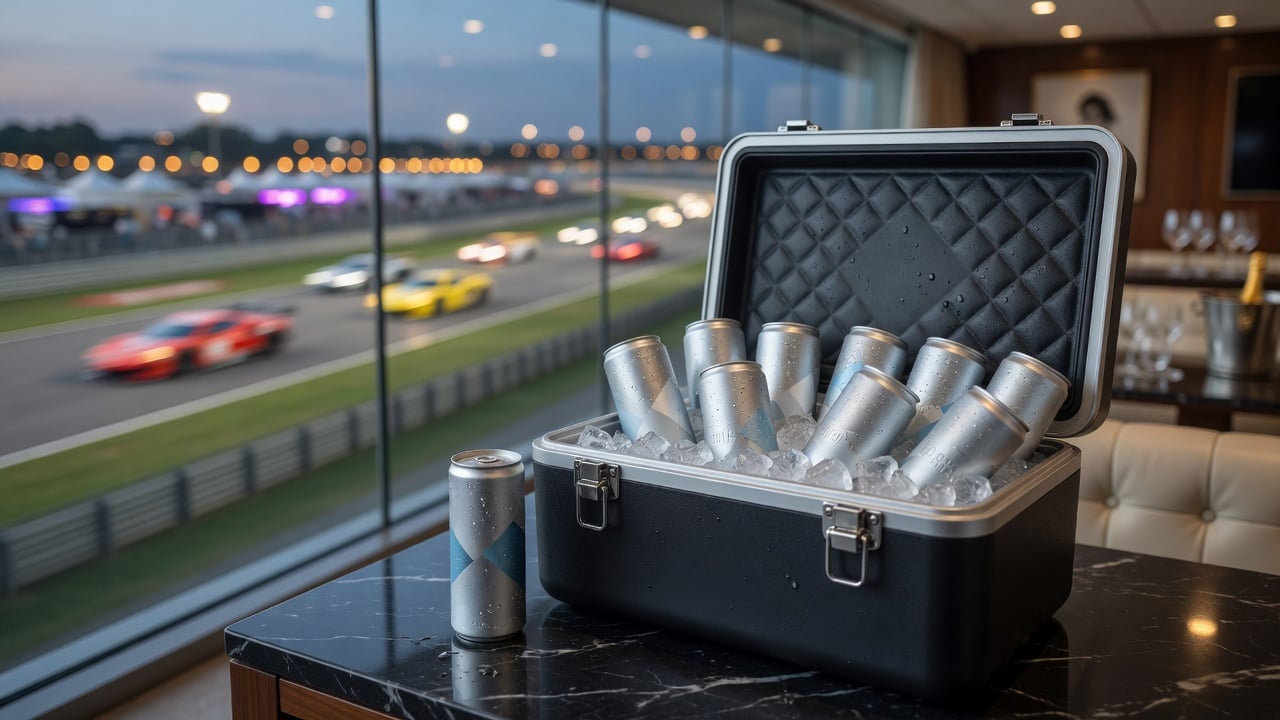
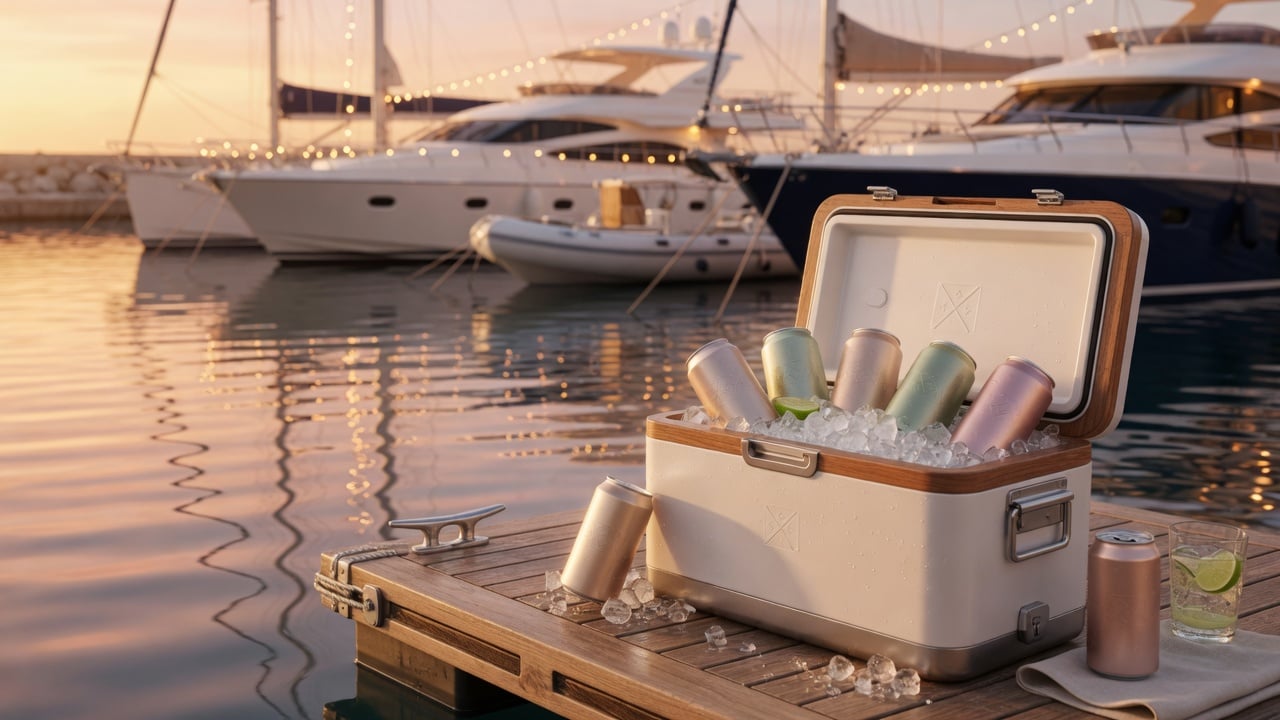
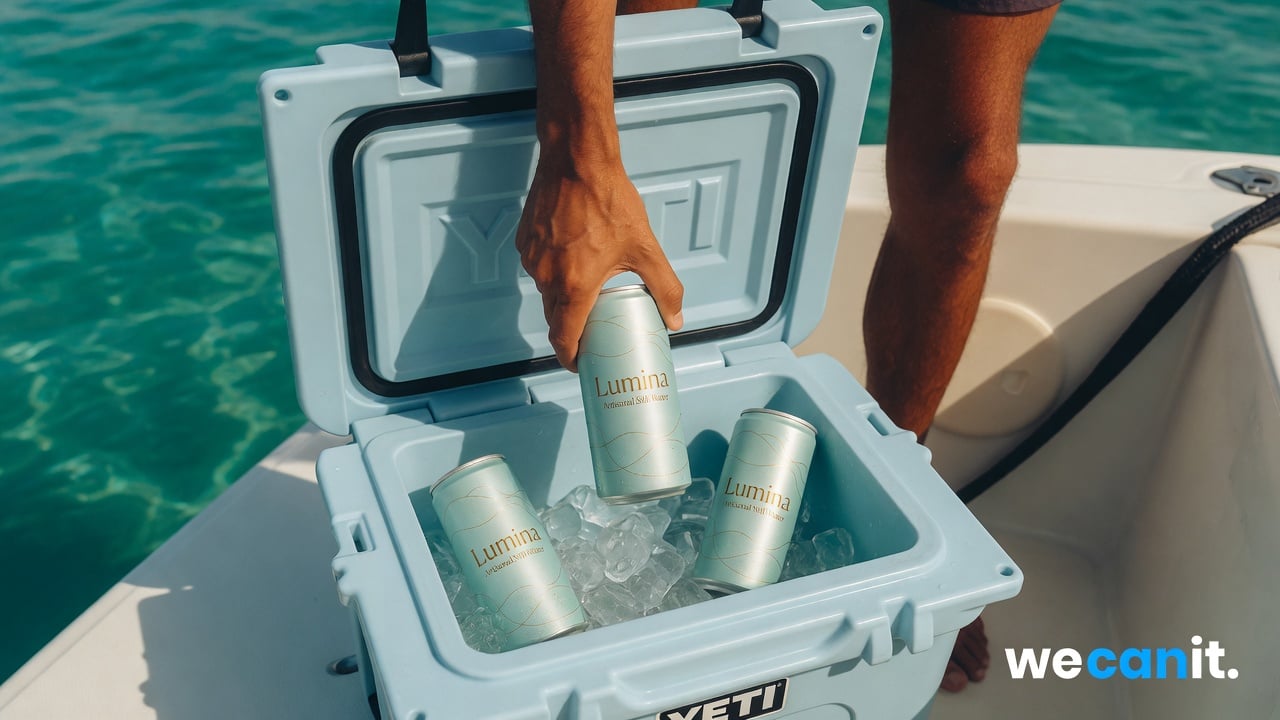
- Cooler or ice bin sized to station hours
- Case dollies and spare liners
- Table riser or brand wall for photo moments
- One-sentence staff script and FAQ card
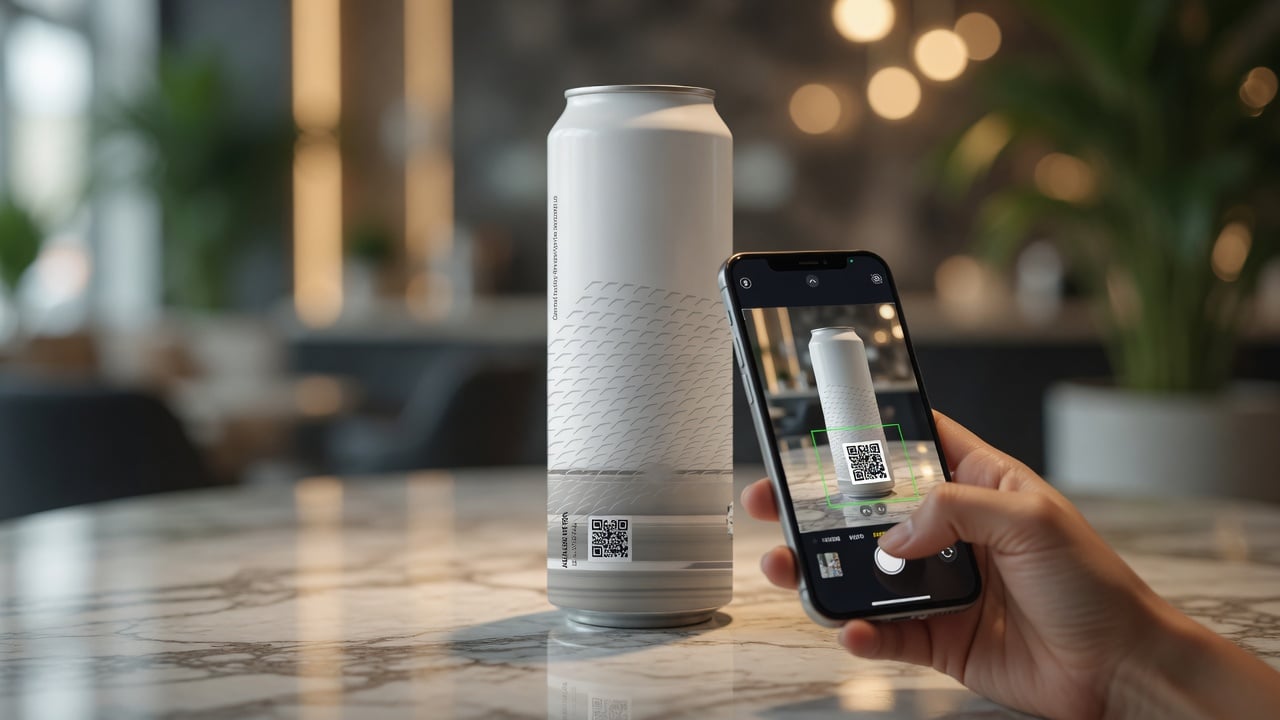
- QR journey test on mobile data before doors open
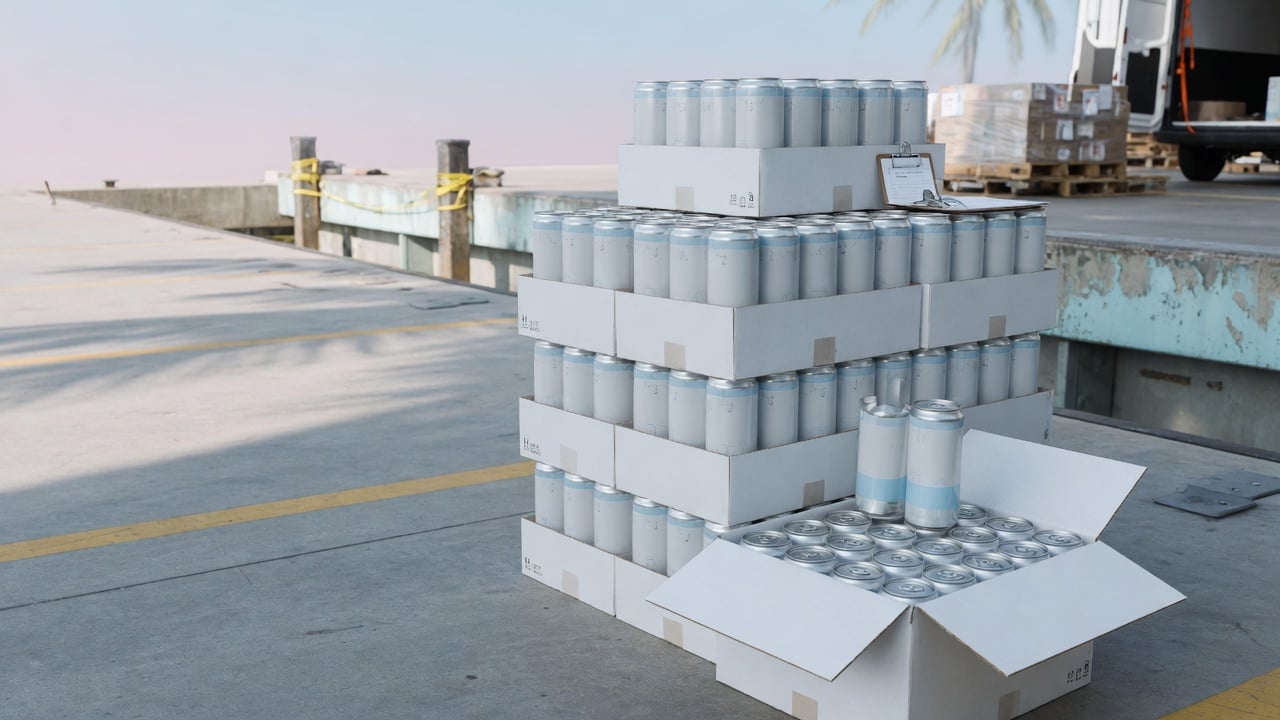
- Receiving checklist with ship address and dock hours
- Photo shot list for proof of activation
- Reorder log for empty cases and guest comments
The glamorous items are not always the ones that save the weekend. Dollies and receiving checklists do.
How to size can volume for ambassador tours
List markets and concurrent guest estimates per station hour. Assign still vs sparkling share honestly. Convert cans to cases (24 per case). Add VIP buffer and media buffer where needed. Pilot at 21 cases when you lack history. Reorder from actuals after the first weekend.
Guessing annual tour volume before one real market is how you fund storage units full of last season's wrap. Field programs learn by market, not by year-one fantasy spreadsheets. A honest pilot also teaches ice planning, receiving hours, and how many cases fit in the vehicle you actually use. Those lessons save more money than shaving a theoretical unit line in a deck.
When two markets look similar on paper and burn differently in heat, trust the case log. Reorder the next city from that truth. That is wholesale discipline applied to a tour kit, not a warehouse fantasy.
Water types that make sense in the field
- Still: everyday hydration for lines, booths, and outdoor heat
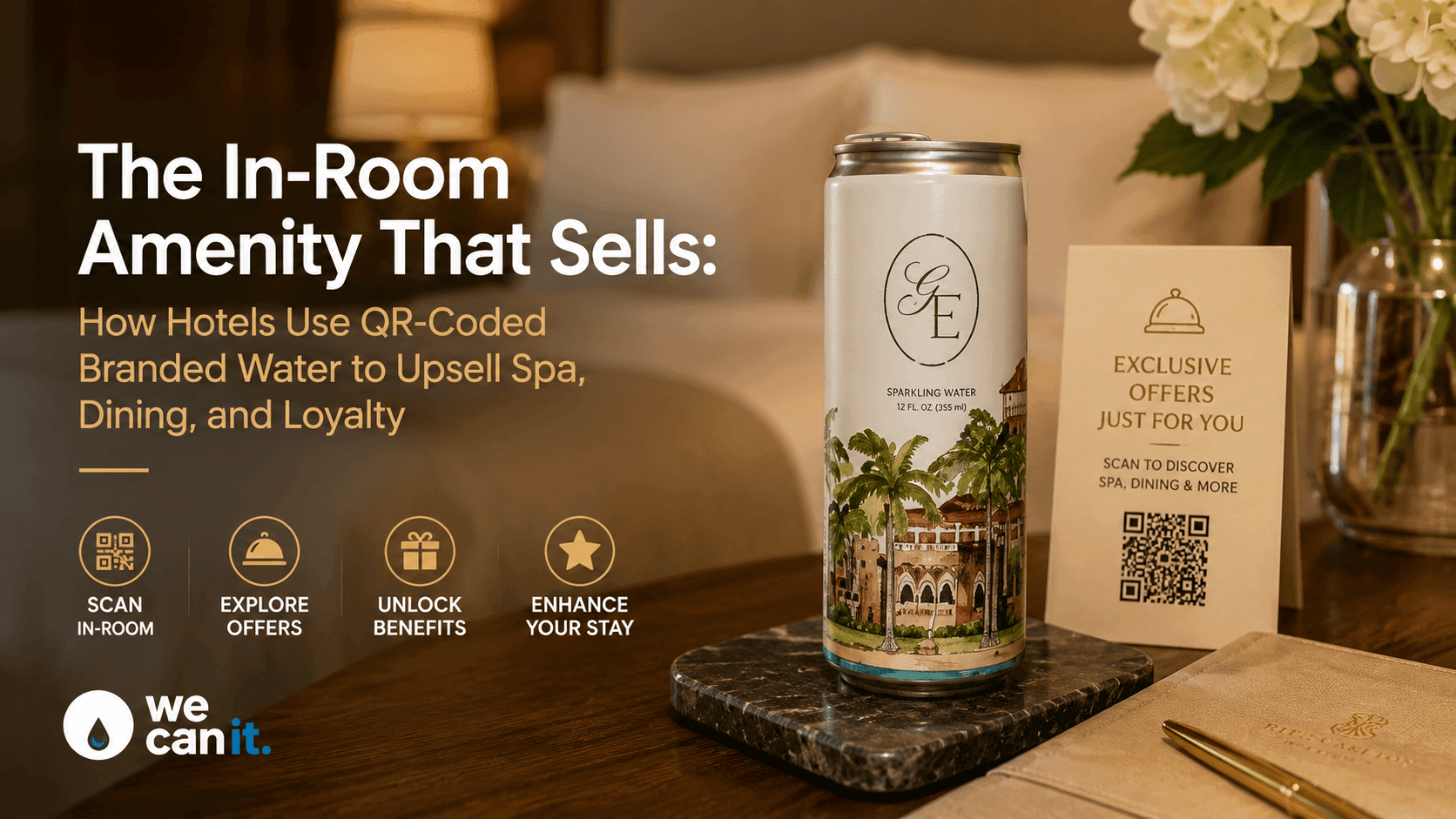
- Sparkling: VIP moments, evening events, and celebration beats
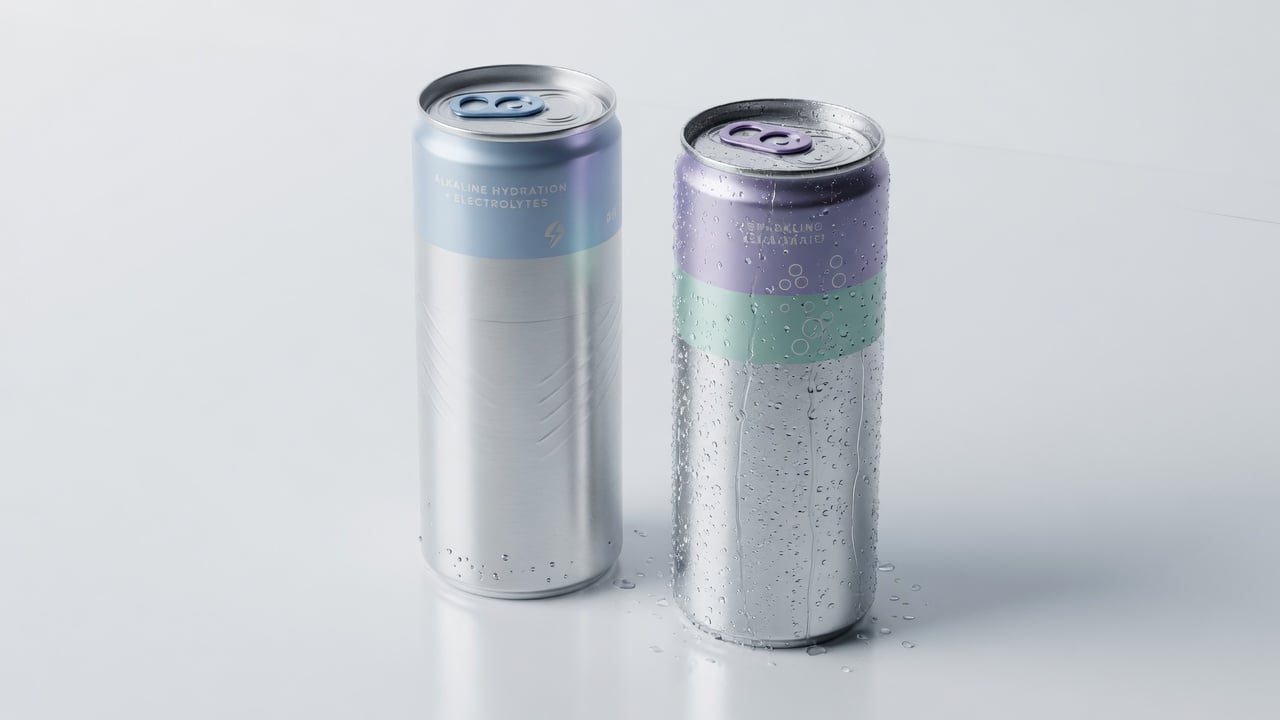
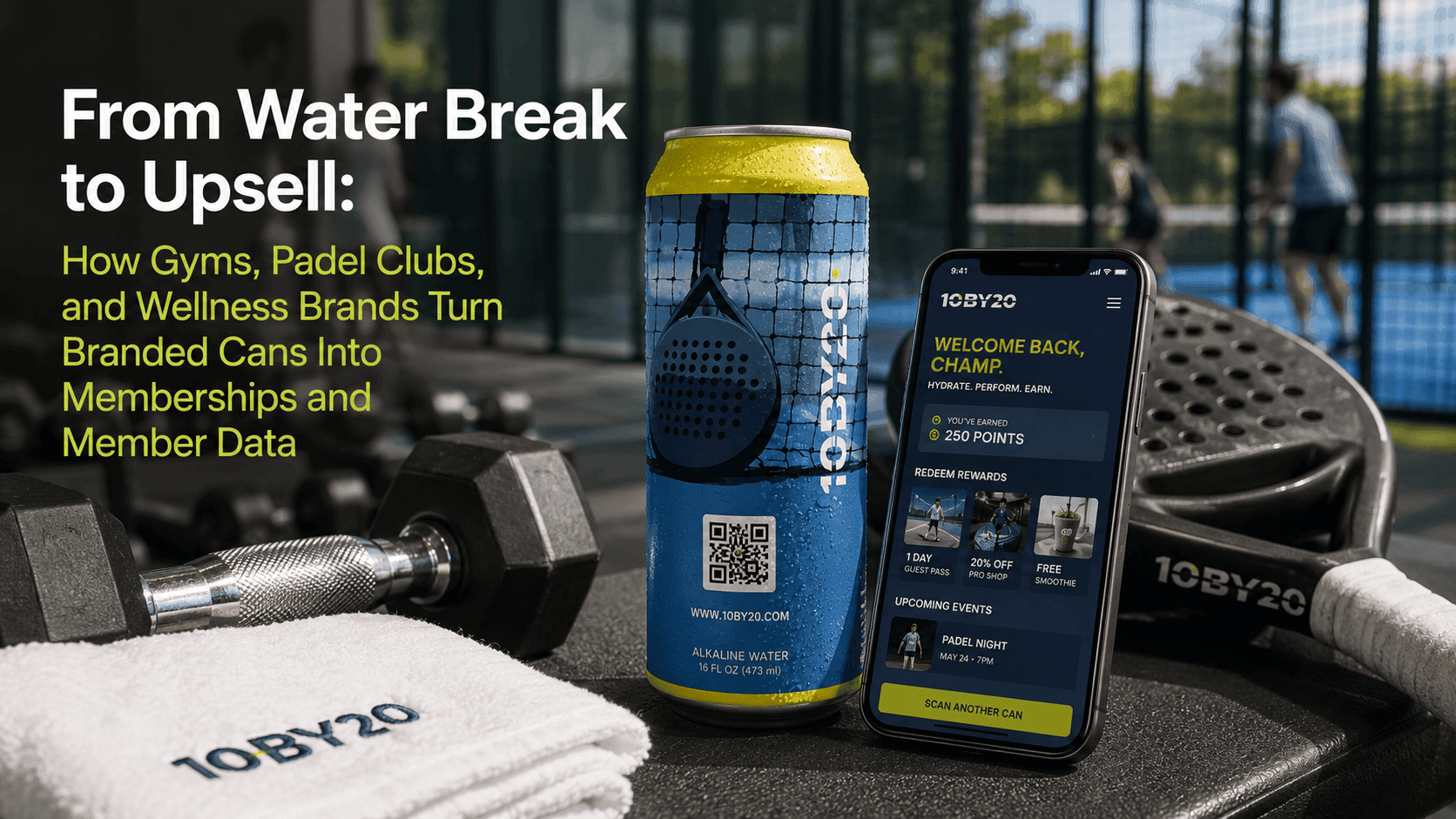
- Alkaline: premium wellness stories when the brand already sells that claim carefully
Most teams launch still first. Add sparkling under the same art system when the base SKU is trusted. Overbuying sparkling because it "feels premium" is a common waste mode when the line is still-thirsty in the heat. See Products for sizes: 12oz Regular, 12oz Sleek, and 16oz.
Production and print path for kits
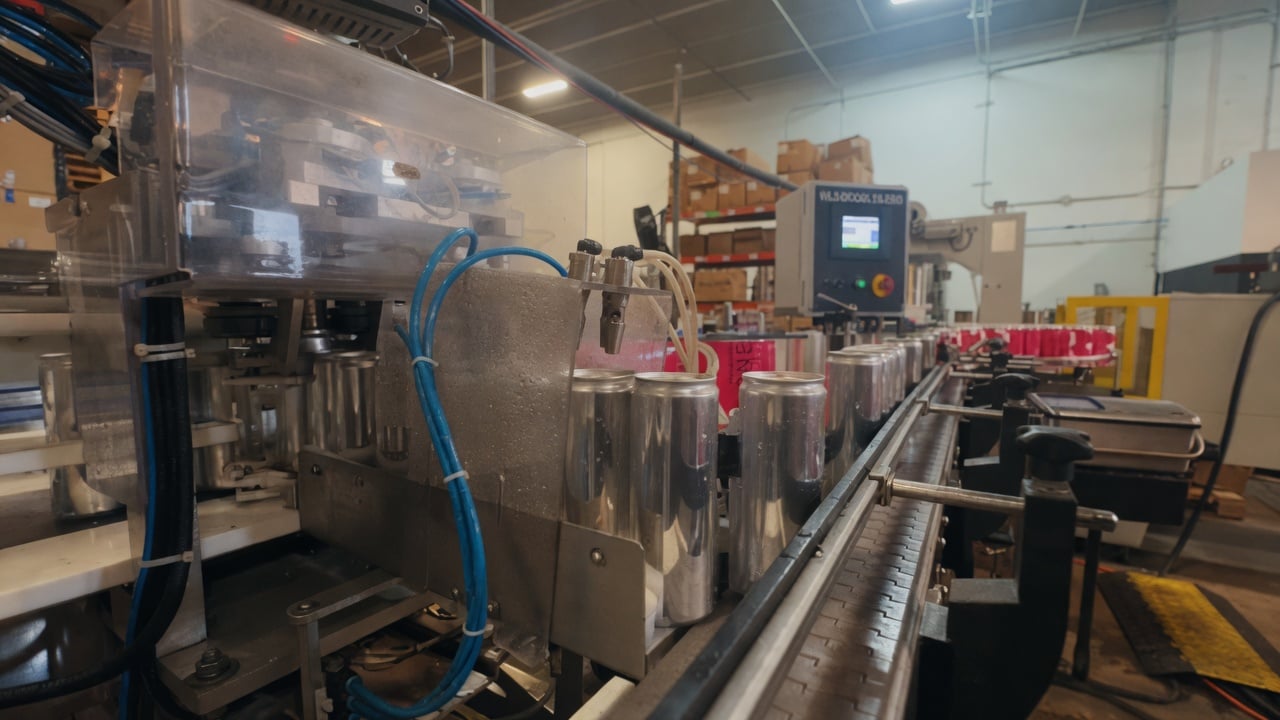
Pick water type and size. Pick print path: label from 21 cases, digital print from 100 cases. Lock art to can geometry. Approve digital proofs. Produce in about 2 to 3 weeks from artwork approval. Ship cases of 24 to warehouse or first market dock.
Our manufacturing and packaging process is described for you at Technology · Water and Technology · Labels. Questions? Get a quote and a product advisor will follow up by email quickly.
Scripts ambassadors can say without sounding scripted
Guests ask simple questions. Give staff simple answers that feel human under sun and noise.
- "These are our brand cans. Still is everyday hydration."
- "Sparkling is for celebration moments today."
- "Scan if you want today's offer or schedule. It is optional."
- "If the QR fails, tell us. We fix it fast."
That last line builds more trust than a clever campaign name. Guests did not line up for a beverage lecture. They lined up for an experience.
Digital journeys that respect the line
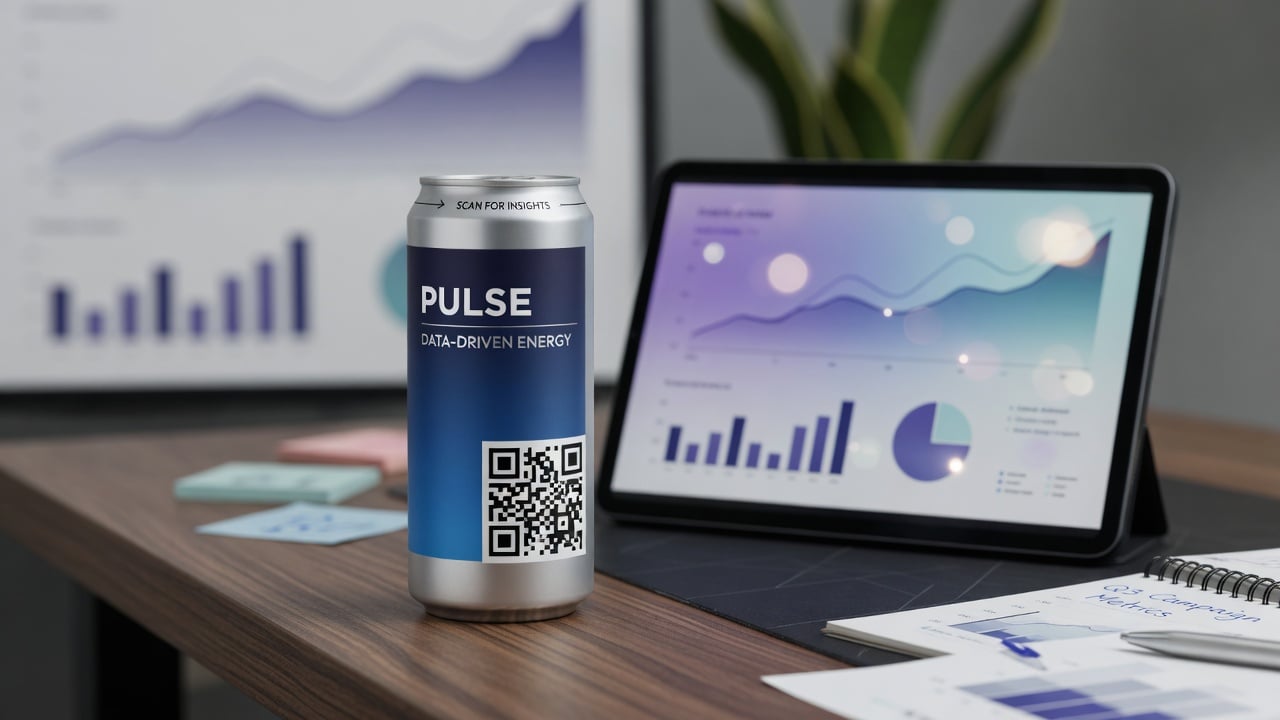
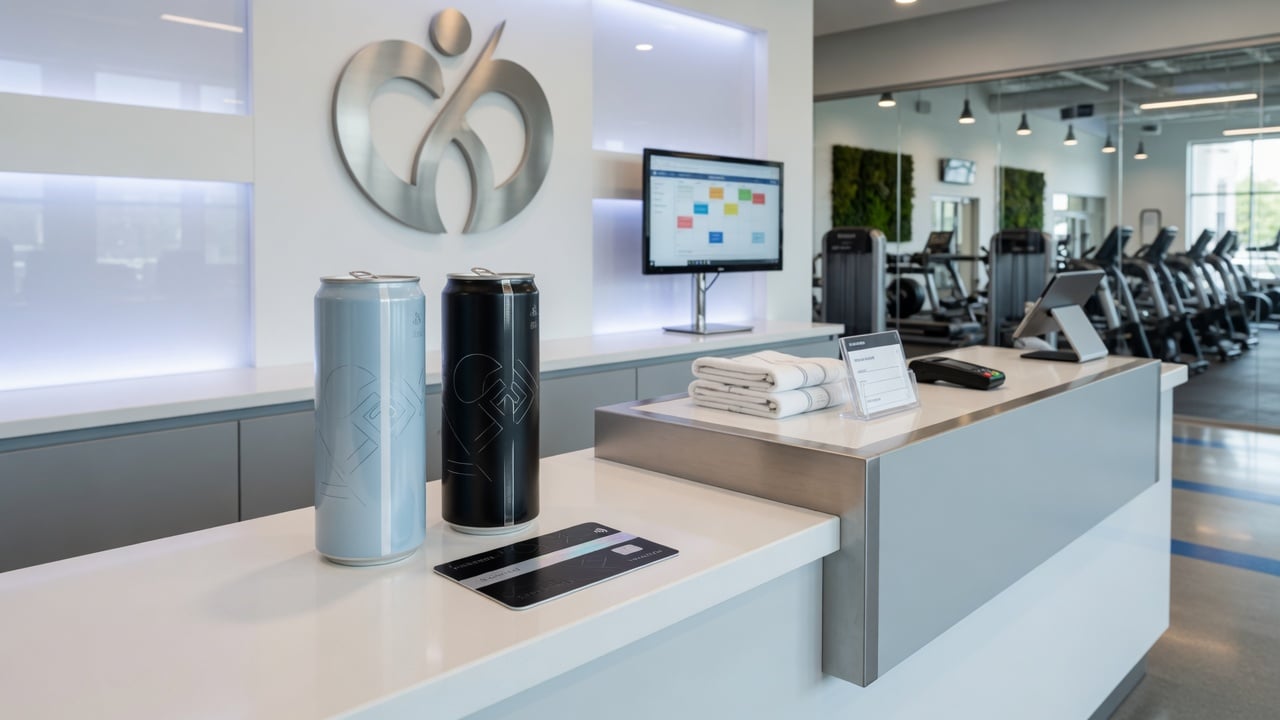
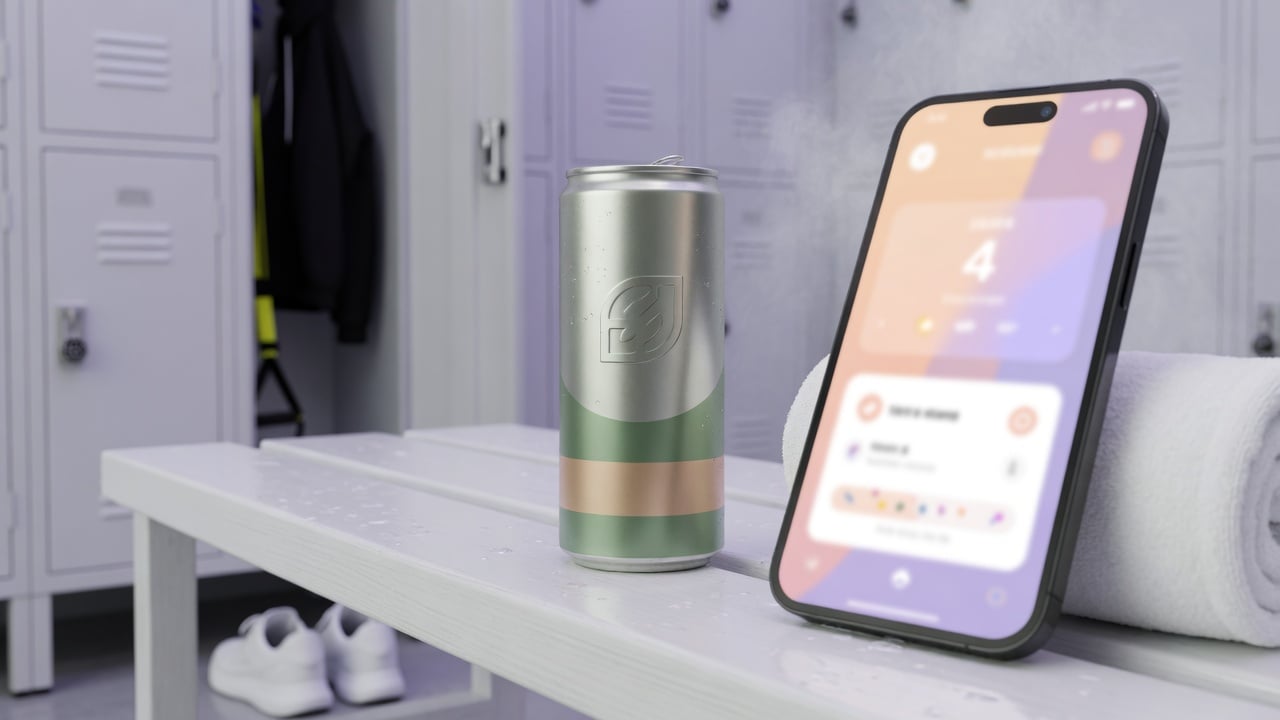
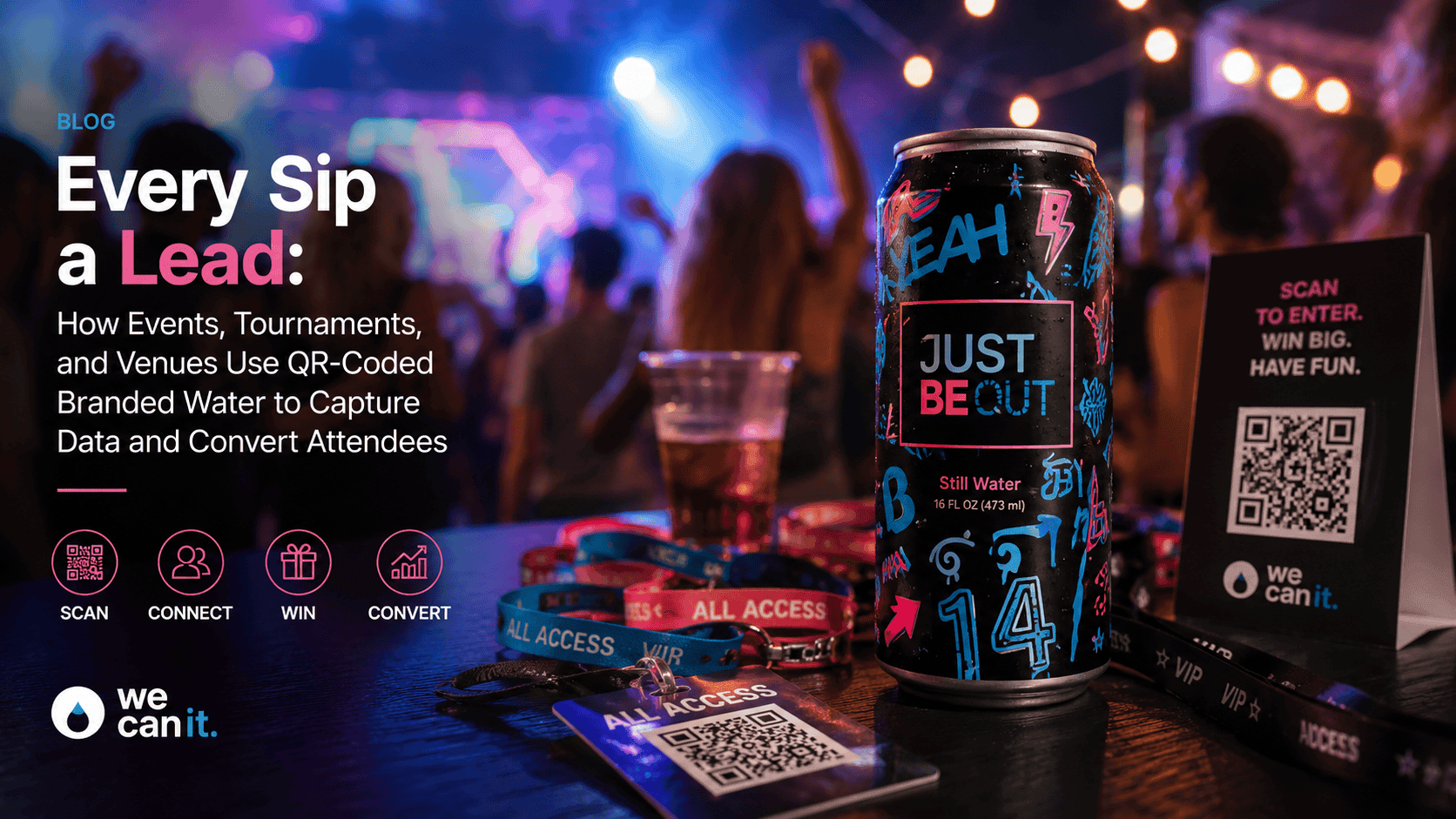
QR can support event schedules and maps, lead capture with a fair exchange, offer pages that actually redeem, and short post-event surveys. Do not force seven form fields for a free sip. Empty QR destinations damage trust. Test on cellular data before doors open. Office Wi-Fi is not the field. Learn more at Digital experience.
Load-in and travel realities
Field programs fail in parking lots more often than in decks. Plan for case weight and who lifts what, ice and cooler access hours, security for overnight storage, multi-city freight splits vs single warehouse staging, and weather that kills ice plans and guest patience.
Cans stack predictably. Bottles can sprawl. Neither format forgives a missing dolly. The best creative brief in the world does not help if the cooler never makes it from the van to the plaza on time.
Build a receiving checklist that names the human who will be on site, the dock hours, and where cases sit overnight. Multi-city tours fail when those details live only in a Slack thread that nobody opens at 6 a.m. Treat freight like part of the kit, not an afterthought attached to the PO.
Pricing without fake kit prices
Unit cost moves with case count, size, print path, and water type. Sparkling can carry a small per-can premium. We do not invent dollar amounts for kits in articles. Run the instant quote calculator with real case counts so finance sees a pilot, not a mystery number labeled "tour swag."
Useful quote inputs for ambassador programs include case count per market or per kit drop, can size for guest service, print method, water type mix, and ship dates by city or central warehouse.
Buyer checklist for brand ambassador kit branded water cans
- Confirm minimum order fits the first market pilot (21 cases / 504 cans).
- Confirm lead time from artwork approval (about 2 to 3 weeks typical).
- Confirm still-first volume with optional sparkling.
- Confirm print path for pilot vs larger season buys.
- Confirm QR destinations are live before print.
- Confirm freight owners by market.
- Confirm one-sentence staff scripts.
- Confirm reorder log owner after each weekend.
How teams brief agencies and freelancers
When an agency owns creative and field teams own the cooler, misalignment is expensive. Use one shared brief with five fields only: guest moment (booth, plaza, suite, dock, court), primary promise in one sentence, water type mix and why, must-have legal or brand constraints, and success metric for the first reorder decision. Everything else is decoration.
Common kit mistakes
Ordering only sparkling because it "feels premium." Soft art against a hard tour open. Kits with twelve gadgets and no dolly. QR codes that only work on office Wi-Fi. No photo shot list, so proof never arrives. Redesigning wraps mid-tour so markets look inconsistent. No reorder owner, so stockouts surprise the next city.
Fix ownership and timing first. The can design is rarely the only failure mode.
What the two weeks before art lock look like
Day 1 to 2: Align brief, market list, and budget band with field and brand. Day 3 to 4: Design and stakeholder review so can geometry and content shot lists move together. Day 5: Proof approval and quote lock. Then production: Typical window is about 2 to 3 weeks from approval. Pad for freight and kit build days. After delivery: Build kits, train ambassadors, measure, reorder.
If the open date cannot fit that window, change the date or the scope.
Expanding from one market kit to a season tour
Keep art stable once it works. Adjust case counts by city heat and foot traffic. Add sparkling only when still is trusted. A season tour is not twelve unrelated weekends. It is one brand system that learns market by market: which stations burn still fastest, which cities need more ice planning, which scripts get repeated without sounding fake.
Name owners for creative, field ops, freight, and reorder logs before the first market open. Anonymous ownership is how stockouts surprise the next city and how QR destinations go stale between weekends. The can is only as good as the kit that carries it and the process that restocks it.
Pair this post with event cans vs bottles when packaging debates return, and with Products when sizes need a second look.
What good looks like after 90 days
Ninety days in, you should see a reorder placed without redesign panic, ambassadors who can explain the can in one sentence, photo libraries that look intentional across markets, and finance that understands pilot-to-tour math. Guests notice the brand, not a generic bottle. Load-in gets calmer because case counts and dollies are no longer last-minute guesses. That is the bar for brand ambassador kits that travel and earn reorders.
FAQ
What is the minimum order for branded water cans in ambassador kits?
21 cases (504 cans) at 24 per case with We Can It.
How long before a tour open should we lock art?
Reverse-plan about 2 to 3 weeks of production after artwork approval, plus freight and kit build days.
Should every kit include sparkling?
Only when the guest moment is celebratory and you can keep still as the volume base. Overbuying sparkling is a common waste mode.
Can QR codes work for field lead capture?
Yes when the exchange is fair and the page is mobile-fast on cellular data. Test before doors open.
Do you publish fixed kit prices?
No. Cost moves with quantity, size, print path, and water type. Use the instant quote calculator.
Get a quote for brand ambassador kit branded water cans
Build kits that travel, photograph, and reorder without drama.