Best Retail Branded Water Packaging for Photo-Ready Coolers
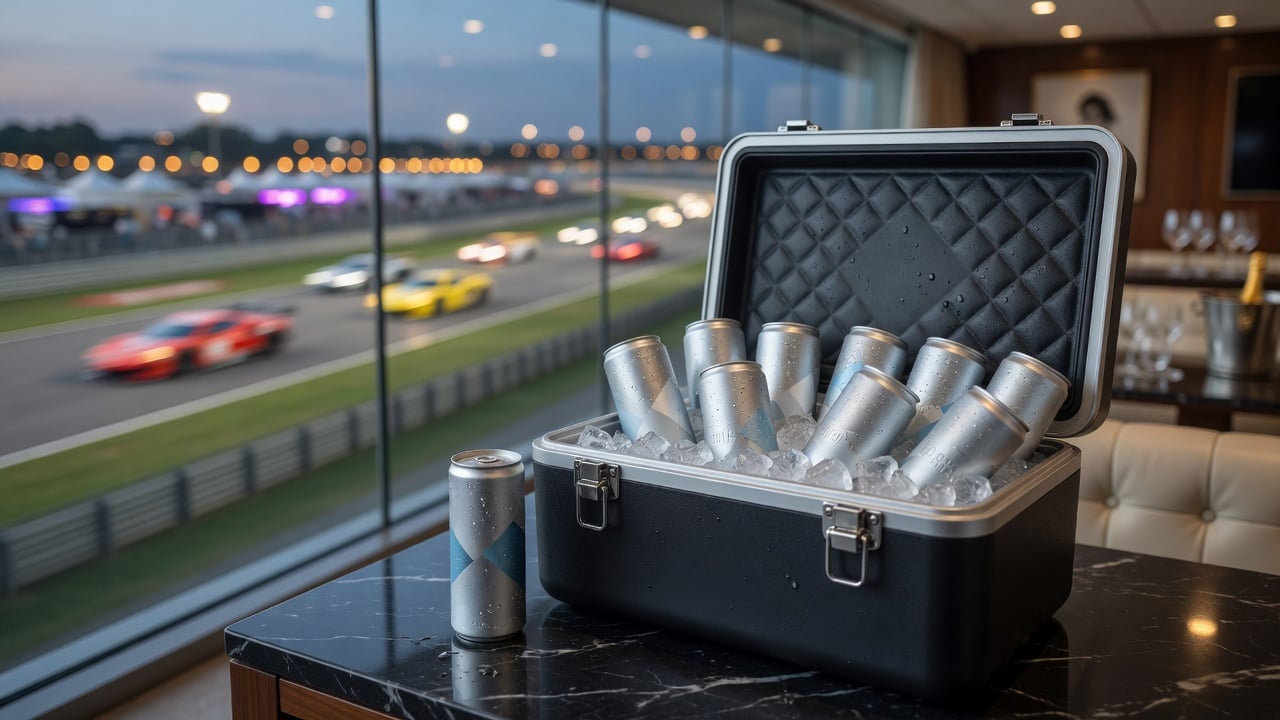
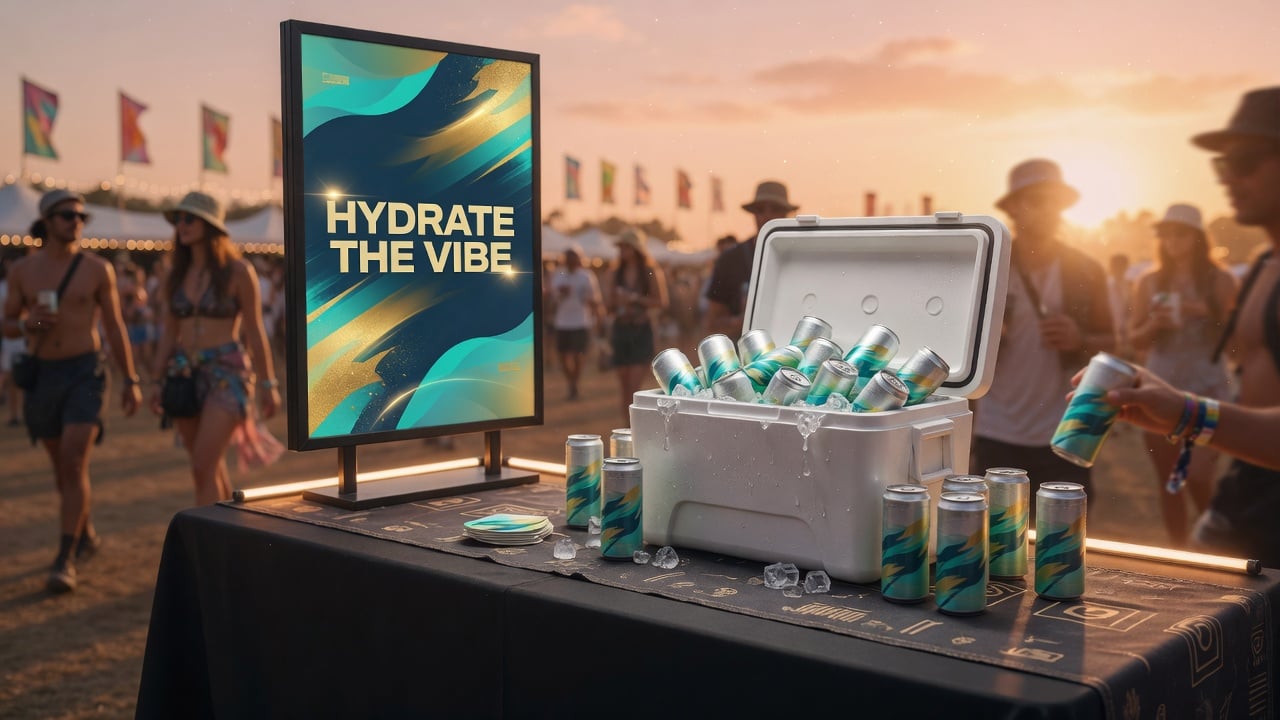
Retail coolers are theater. Aluminum private-label cans give a cleaner brand block than many promo bottles.
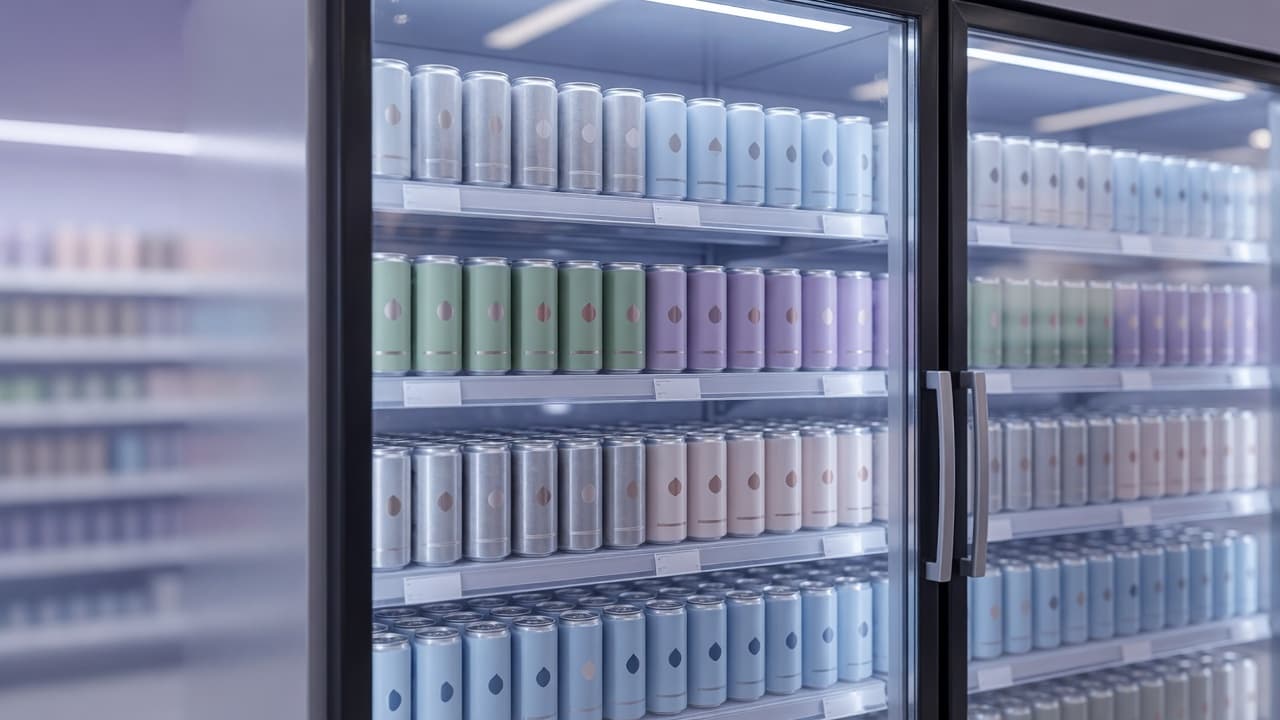
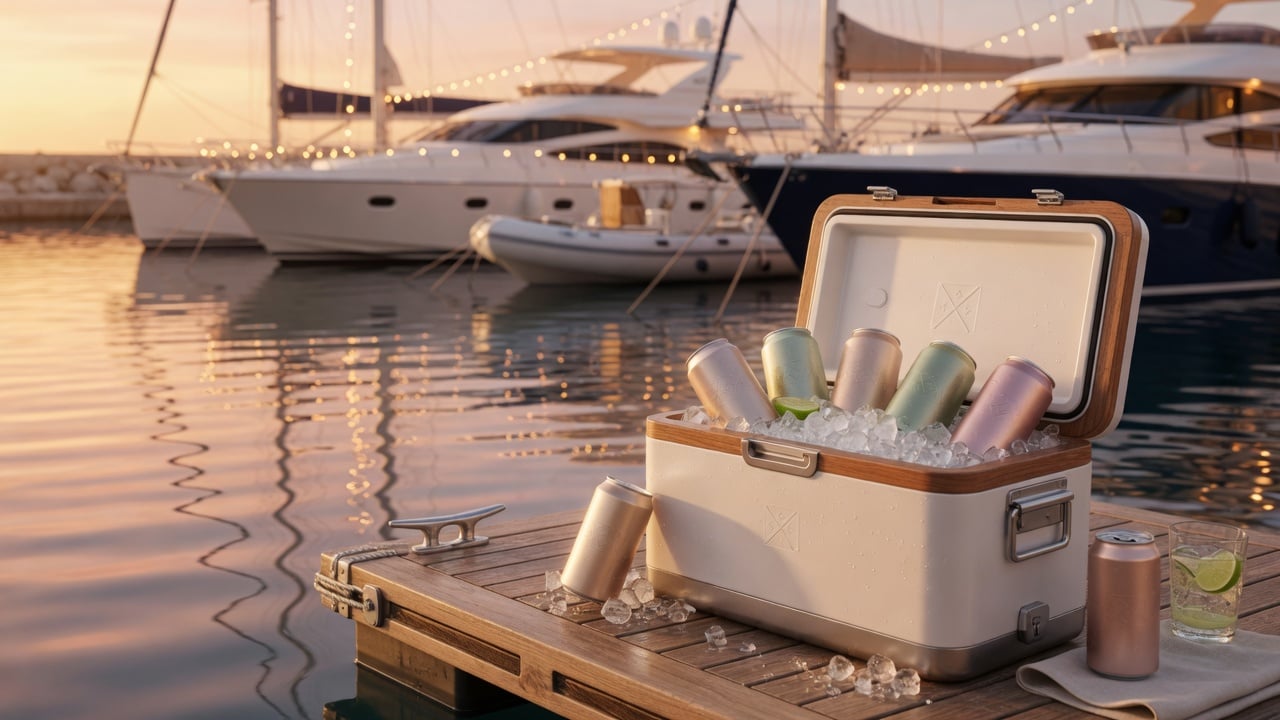
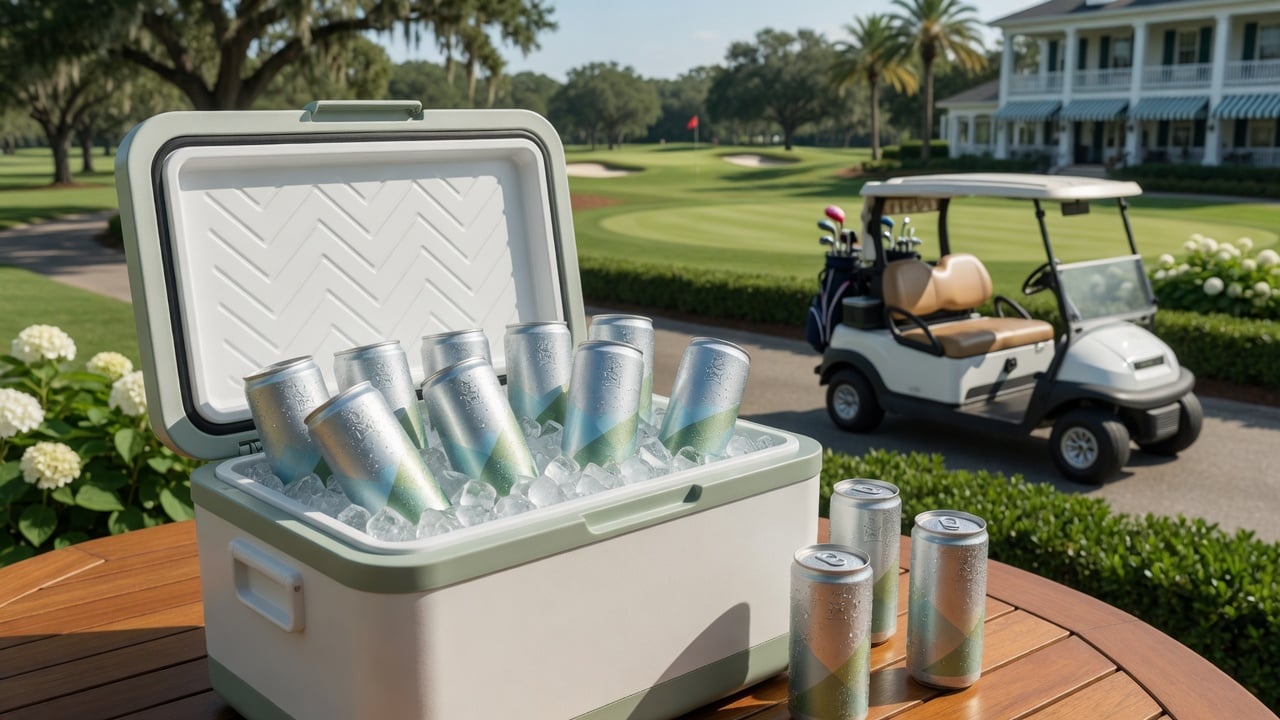
Walk a flagship floor at open and watch the cooler. Shoppers do not study category strategy. They glance, they feel, they decide whether something looks like the store or like a random PET bottle from a bulk aisle. Retail coolers are theater. The packaging either earns a photo or disappears into a sea of commodity shapes.
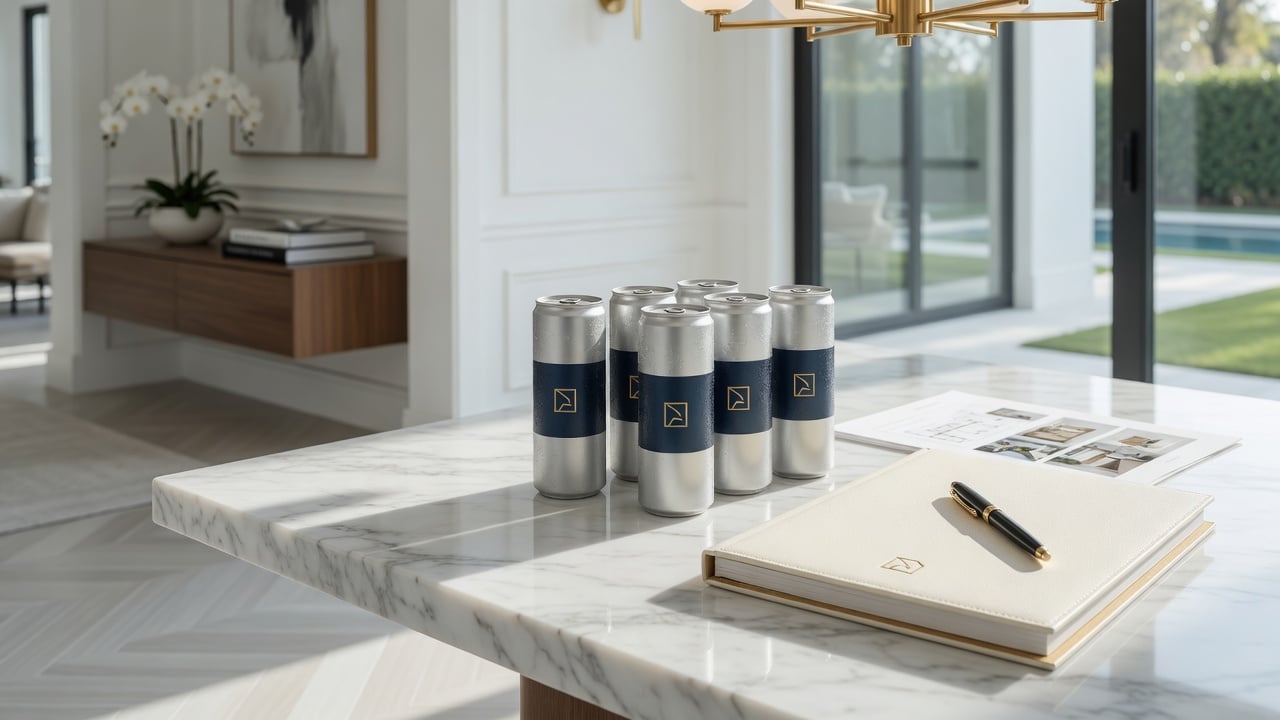
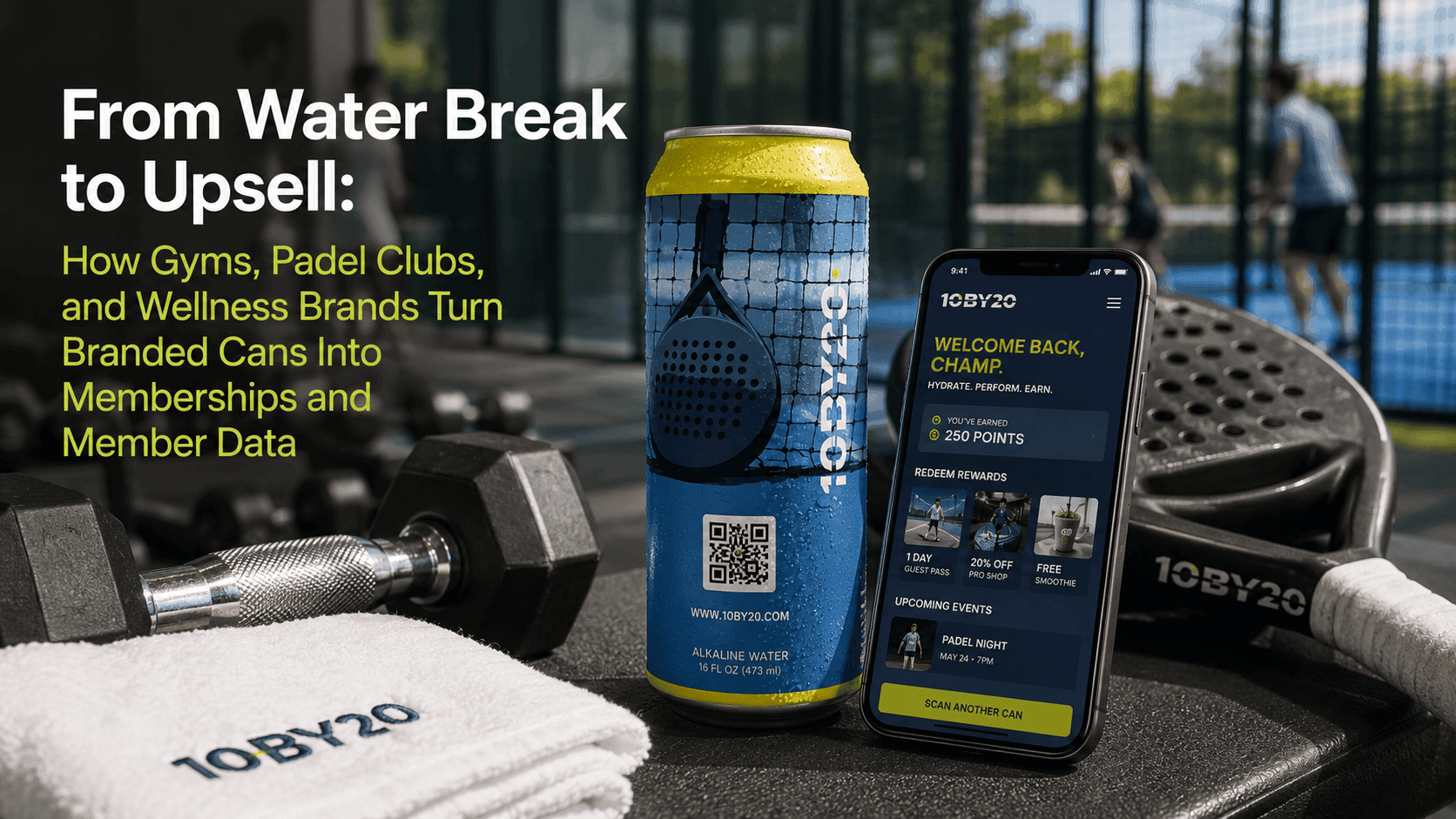
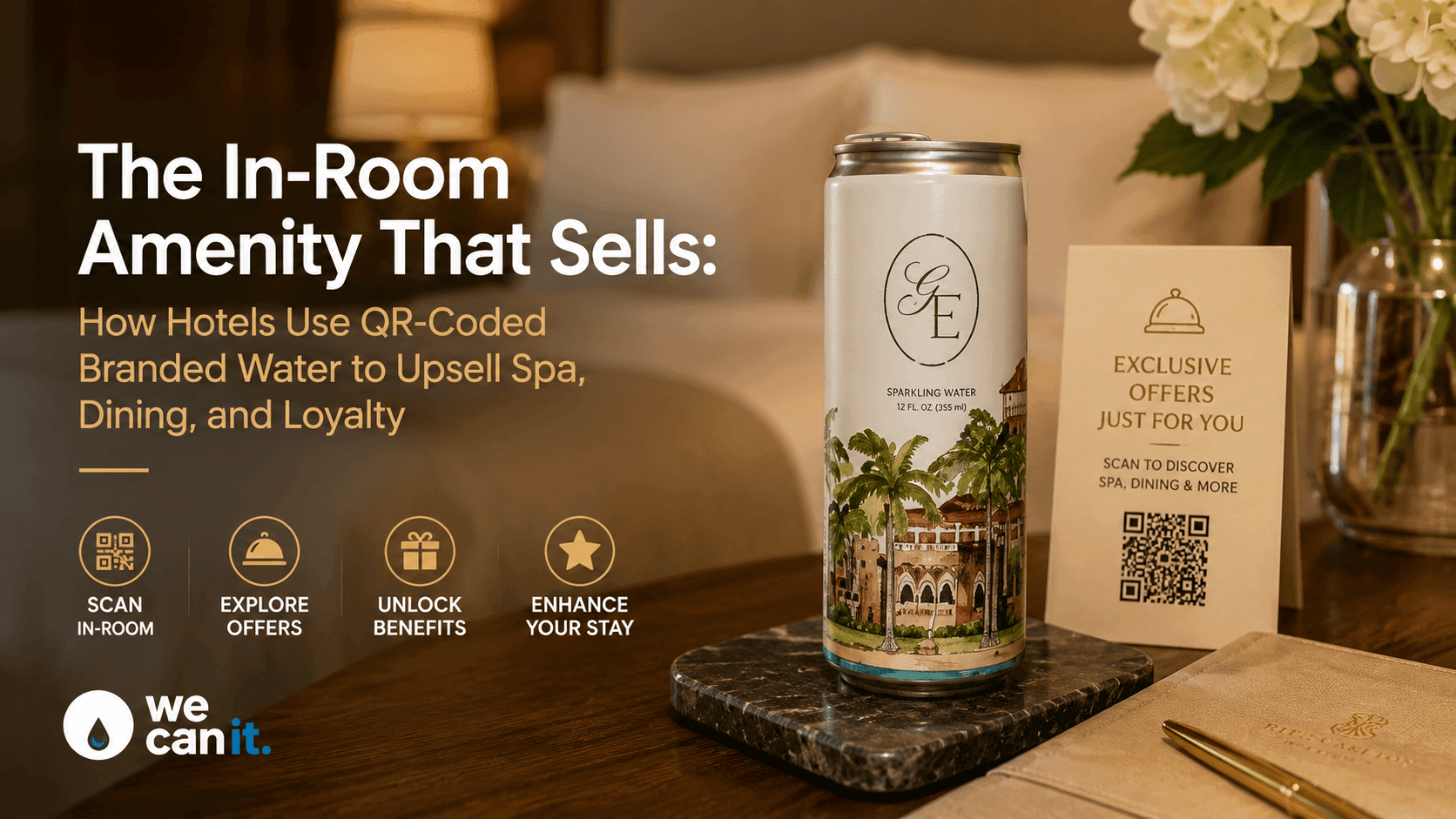
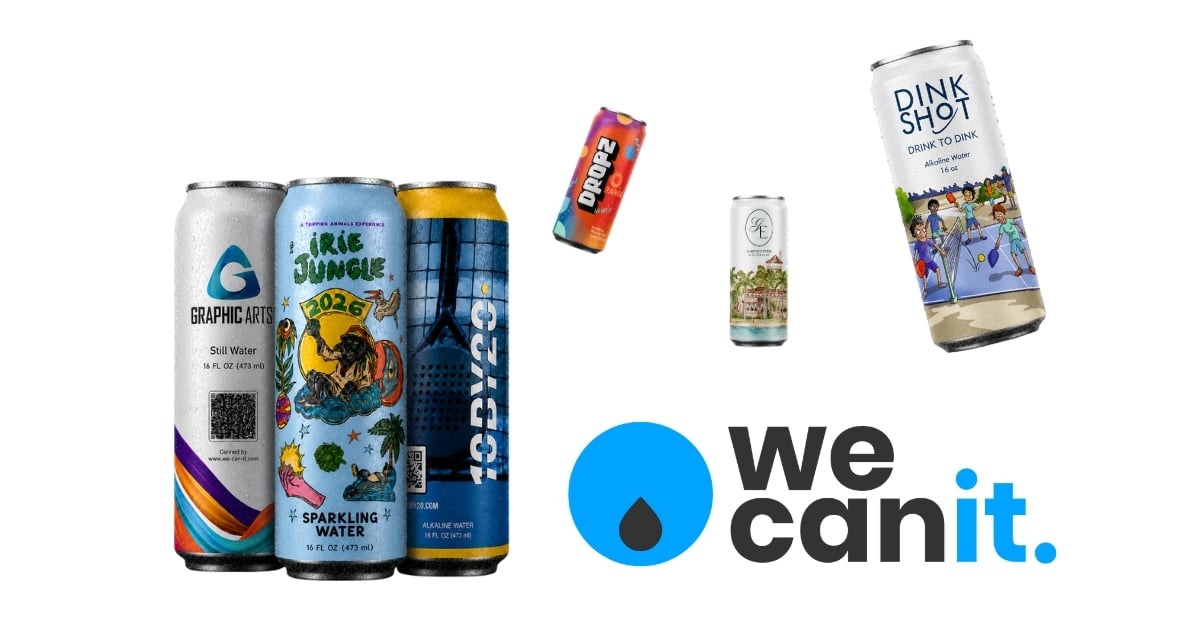
For high-end retail and lifestyle brands, aluminum private-label cans give a cleaner brand block and a more premium hand-feel than many promo bottles. This guide is for retail brand directors, visual merchandising leads, and marketing teams who want retail branded water packaging that photographs well, reorders cleanly, and survives a real cooler reset.
What retail branded water packaging should do
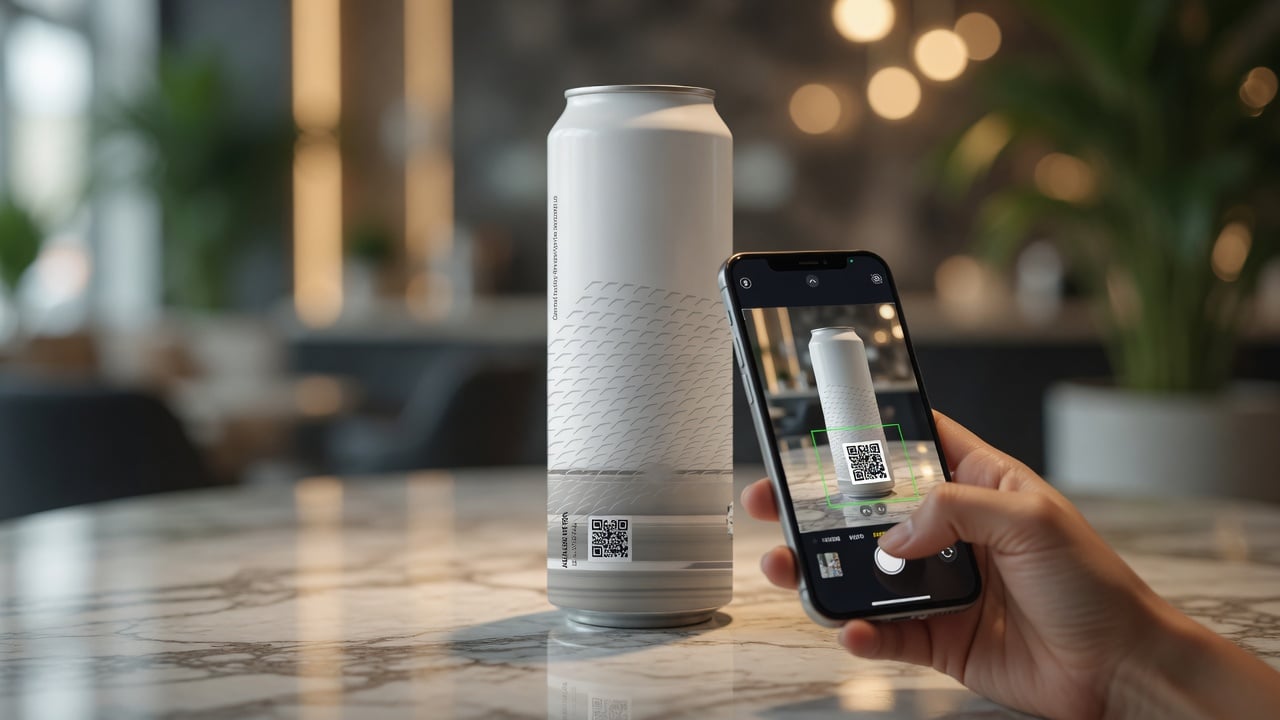
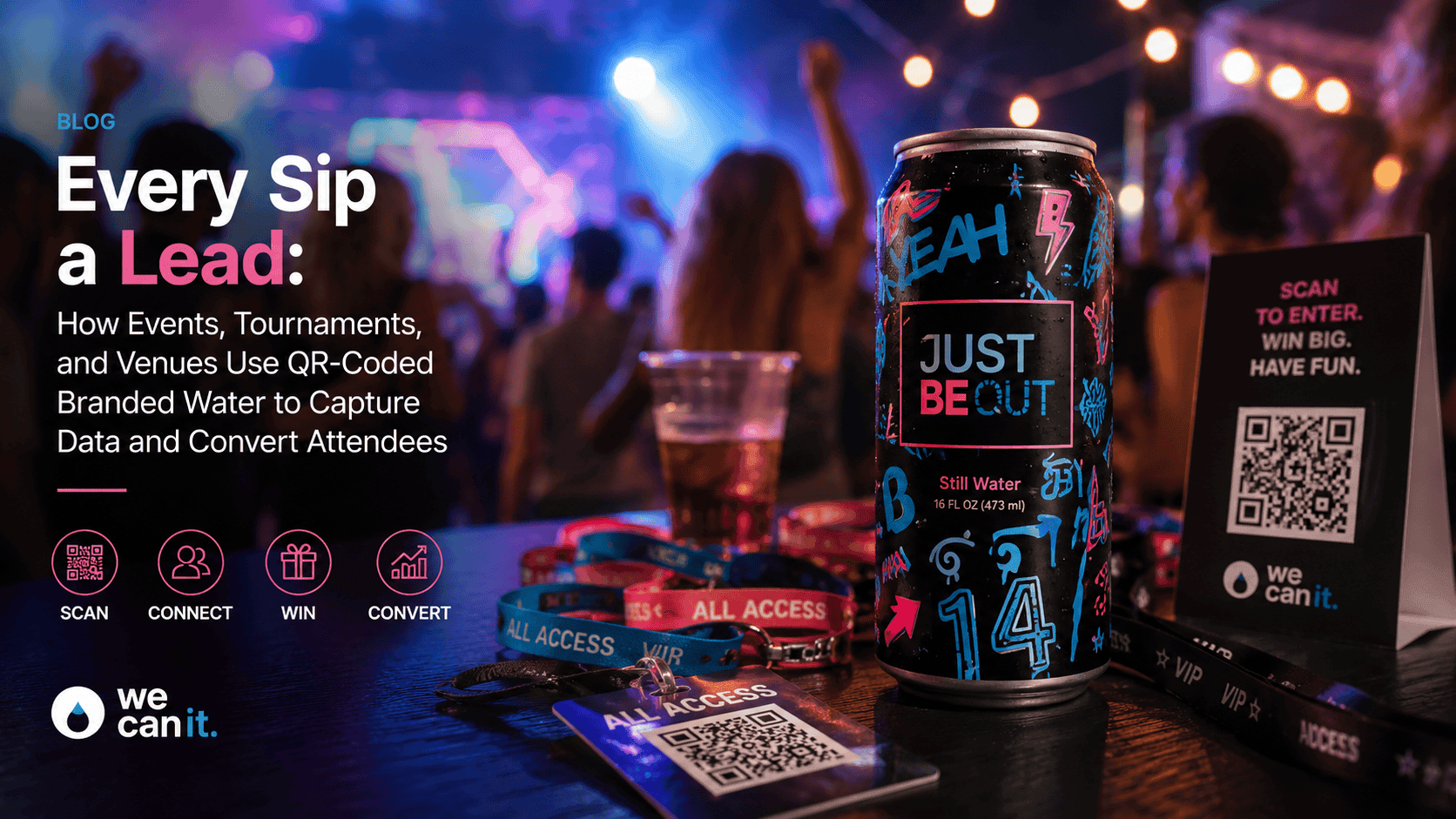
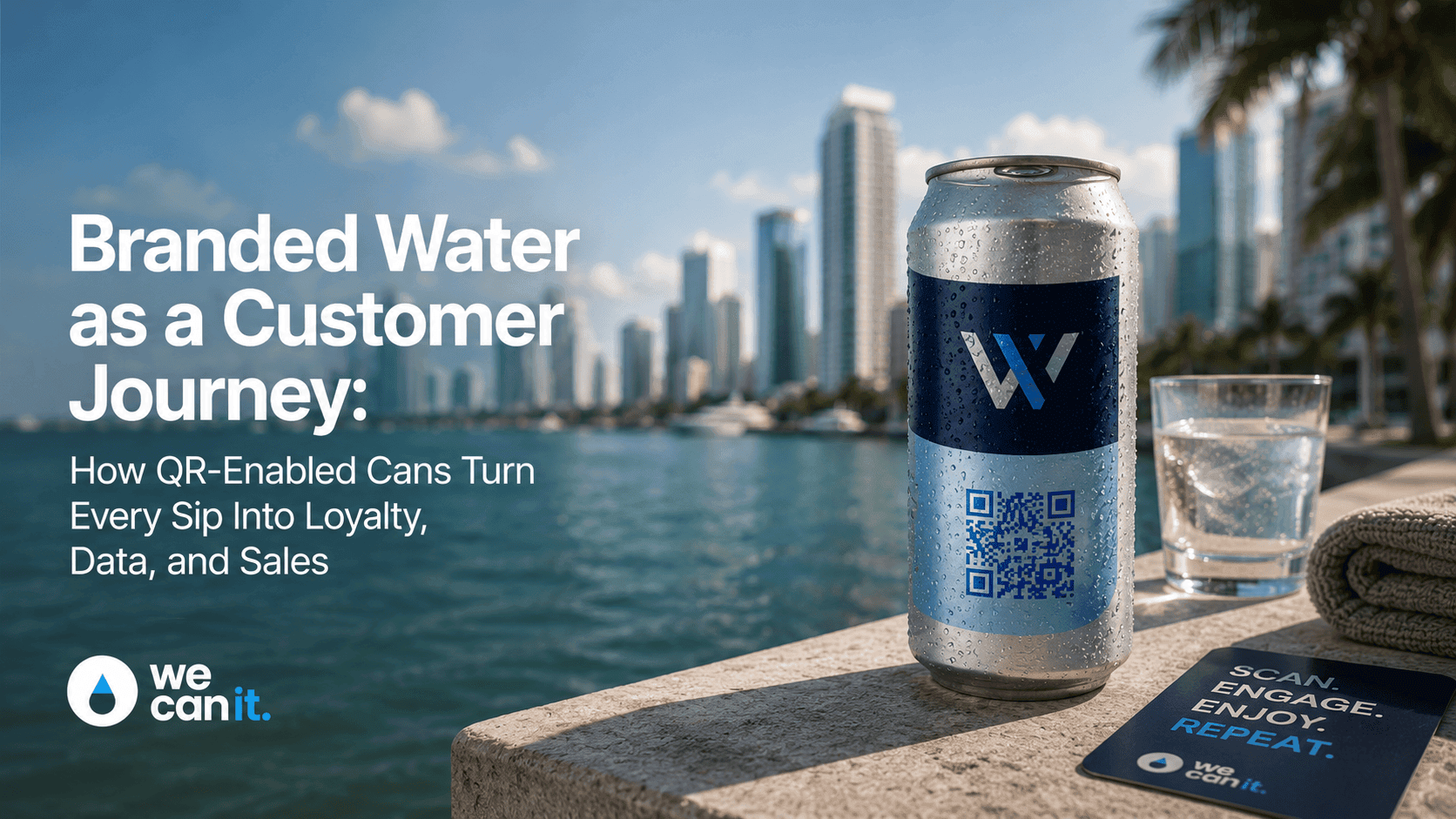
Good retail water packaging reads from three feet away. It matches the store brand system. It survives cooler condensation without looking tired by afternoon. It supports reorders that match last season so the brand block does not reinvent itself every quarter. Optionally it carries QR for loyalty or drops when the journey is live and useful.
If packaging fails any of those jobs, the cooler becomes a cost line with no story. If it succeeds, water becomes a quiet merchandising asset: useful, consumed, photographed, and associated with the store long after the shopper leaves.
Why aluminum cans for retail coolers
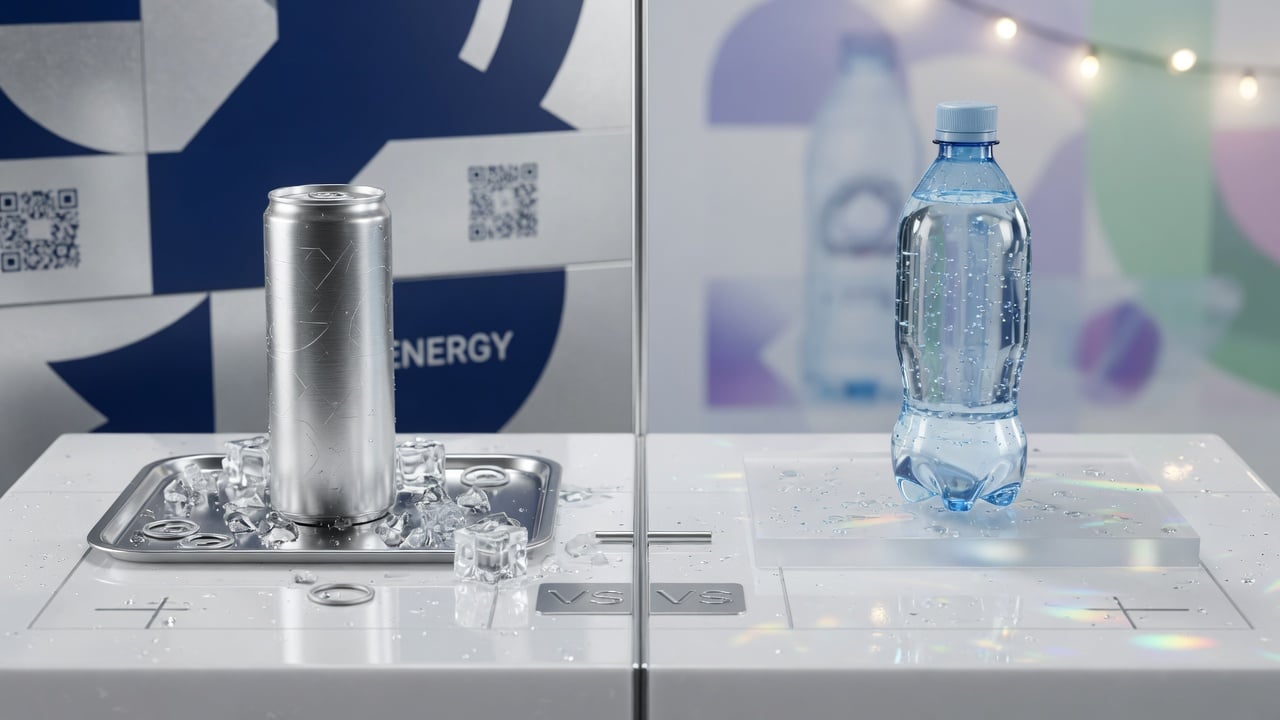
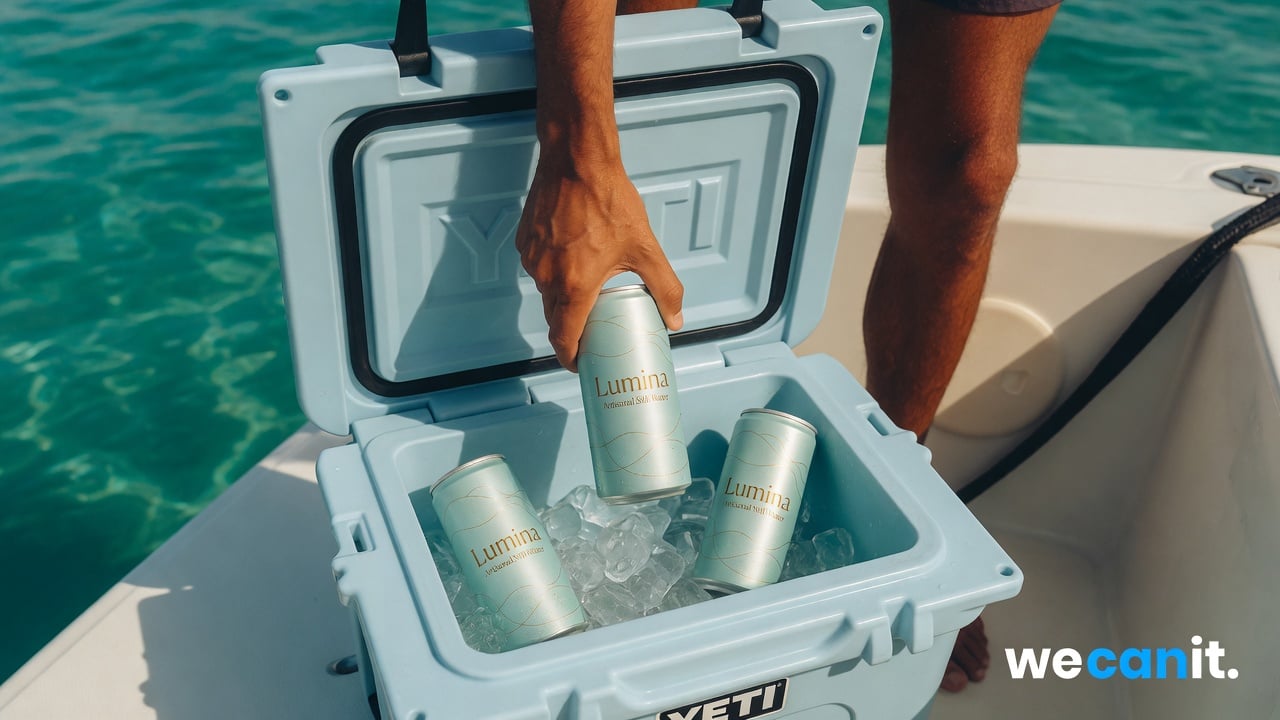
Full-wrap real estate gives design teams more control than a tiny imprint window on stock packaging. Stack density helps cooler resets and facings. Aluminum carries a recyclable story teams can tell without hype. Strong social content follows when design is sharp and lighting loves metallic highlights without glare blowouts.
Cans also solve a practical ops problem. Mixed bottle silhouettes next to a clean can set make the brand block look accidental. Visual merchandising teams feel that instantly. Shoppers feel it without naming it.
If you have only seen promo imprint catalogs, that is a different world. Private label means your brand system on aluminum, your sizes, and a reorder that matches. Promo samples are fine for a booth giveaway. Flagship coolers deserve manufacturing infrastructure.
How private label fits retail pilots
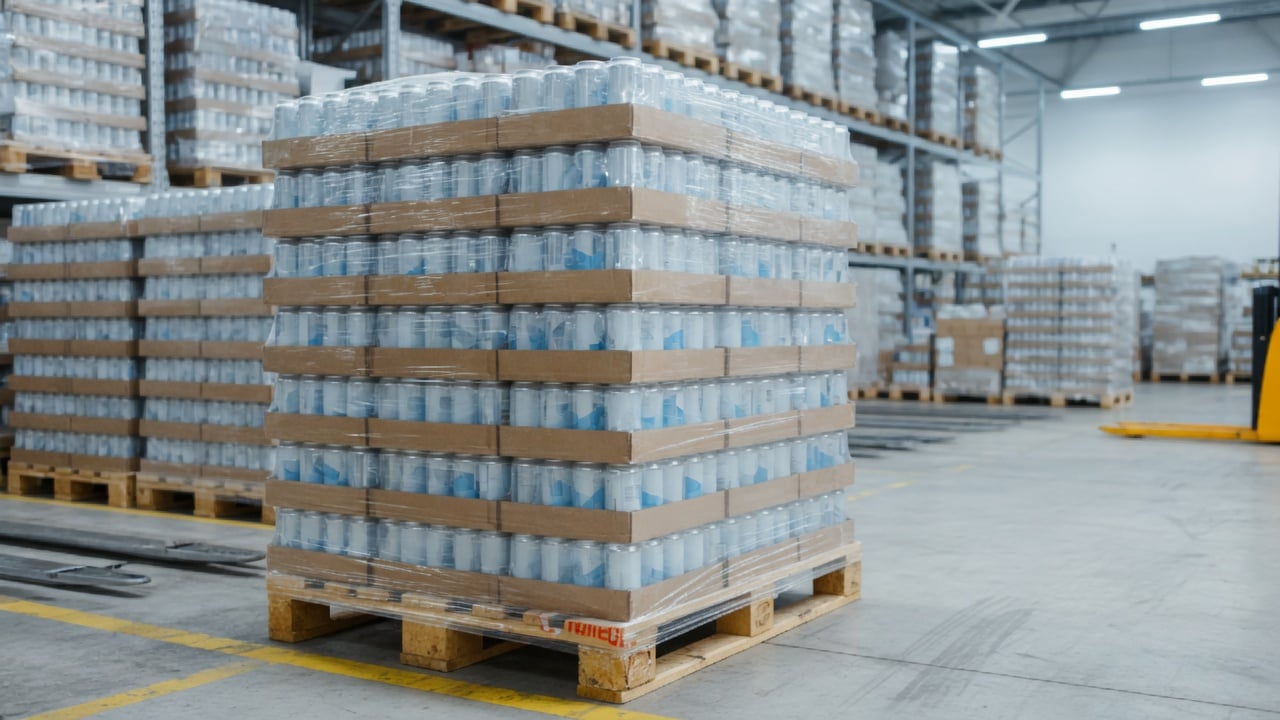
Minimum 21 cases (504 cans) lets a single door or pop-up pilot without a 10,000-unit warehouse commit. About 2 to 3 weeks from art approval keeps seasonal drops honest when the calendar is fixed. Sizes: 12oz Regular, 12oz Sleek, 16oz. Label print starts at 21 cases for first runs. Digital print starts at 100 cases when you want a seamless aluminum surface at higher volume.
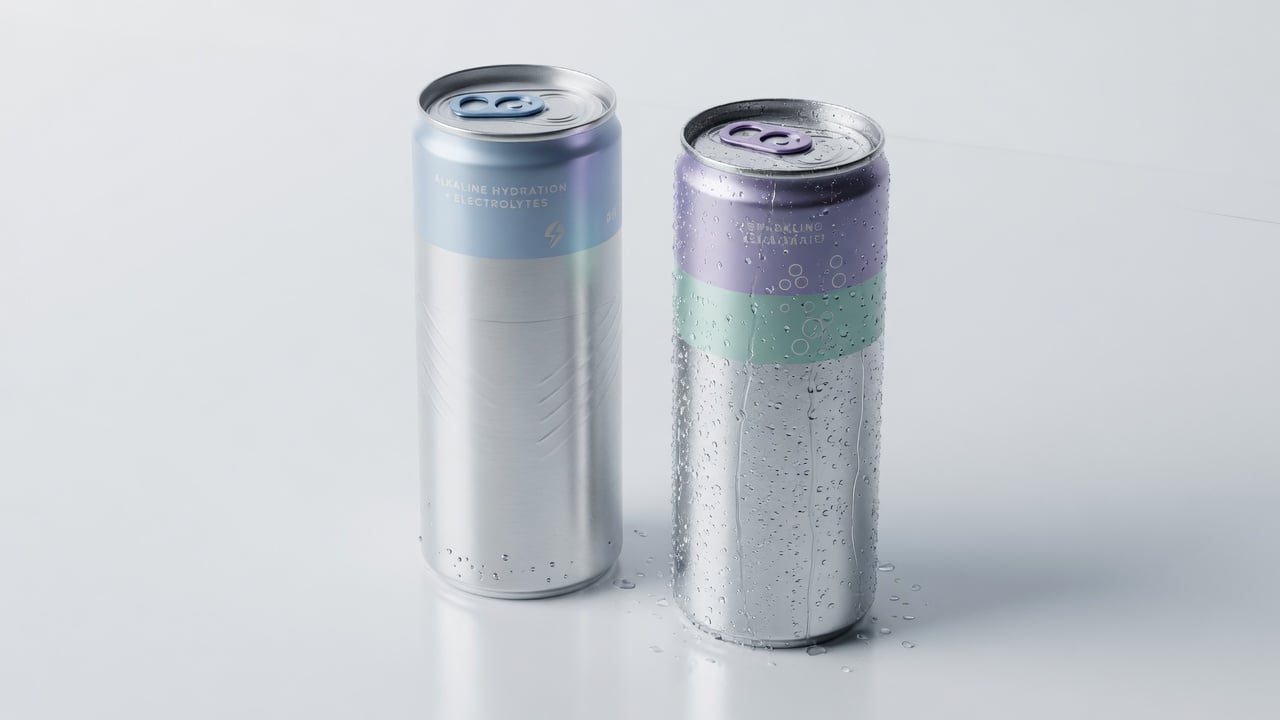
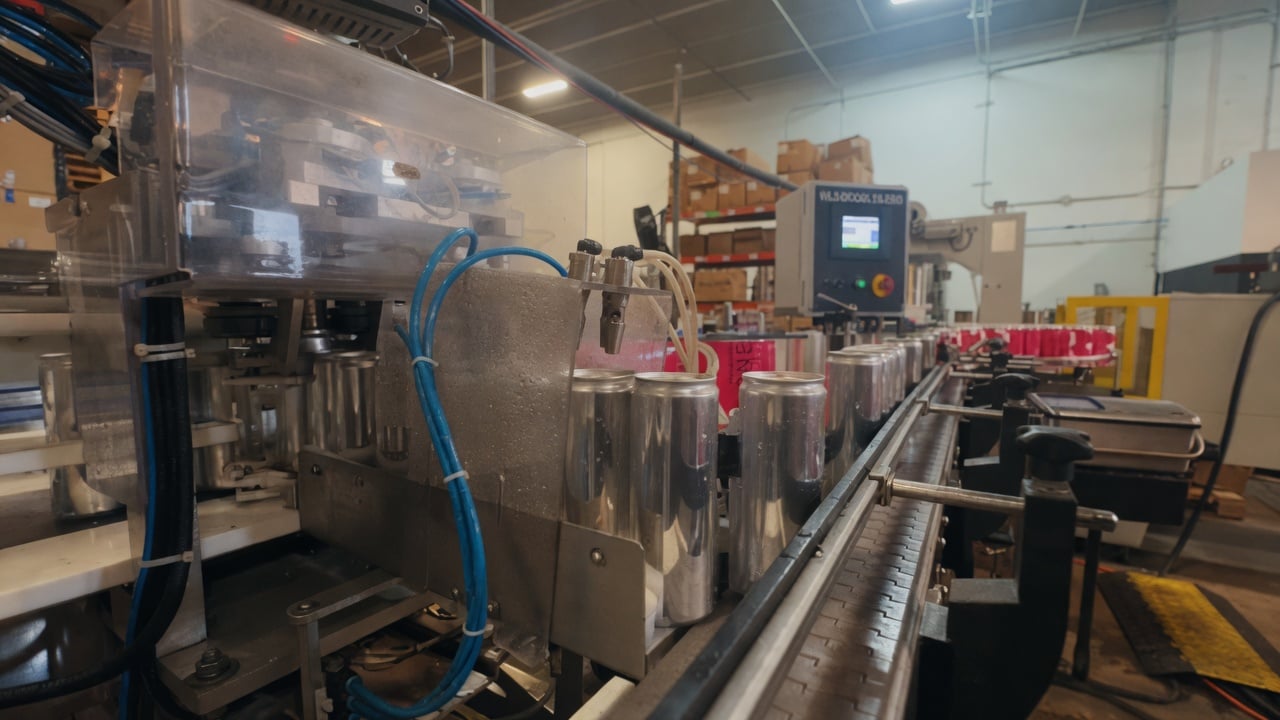
We Can It manufactures still, sparkling, and alkaline in Miami and ships nationwide. See Products and Technology · Labels. Manufacturing narrative: Technology · Water. Quote via the instant quote calculator. A product advisor will email you quickly when you need help mapping a drop.
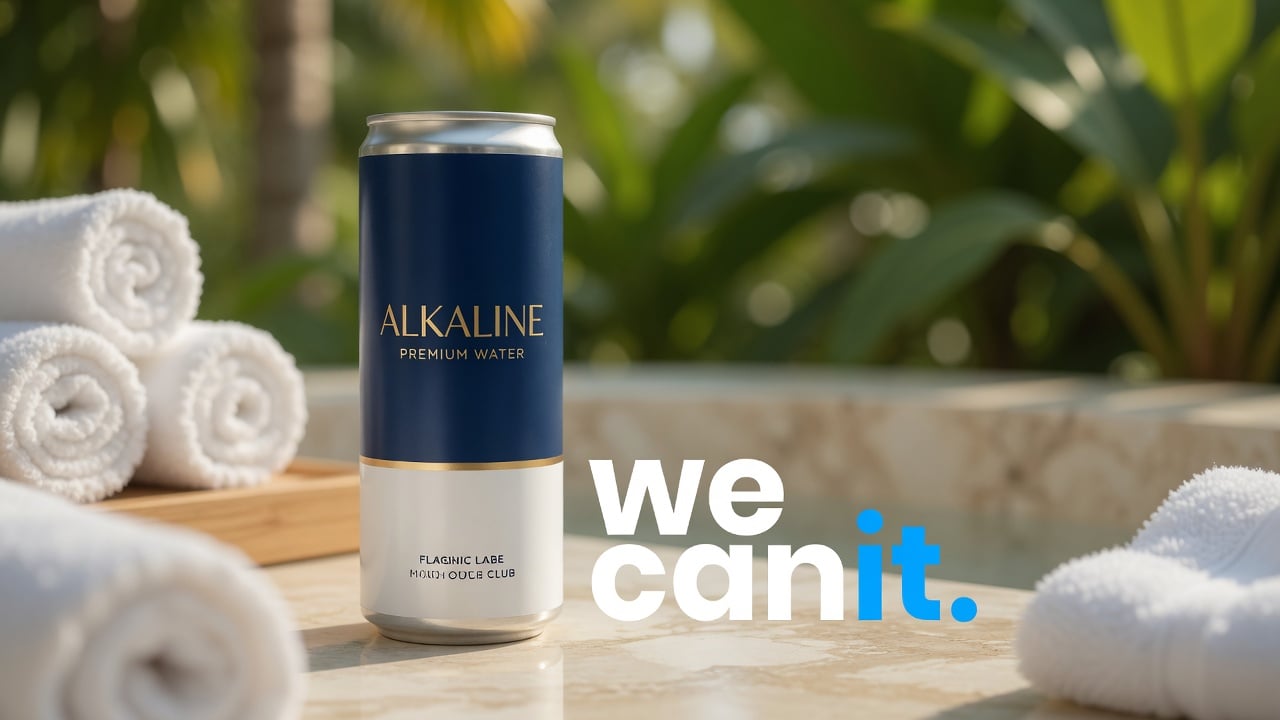
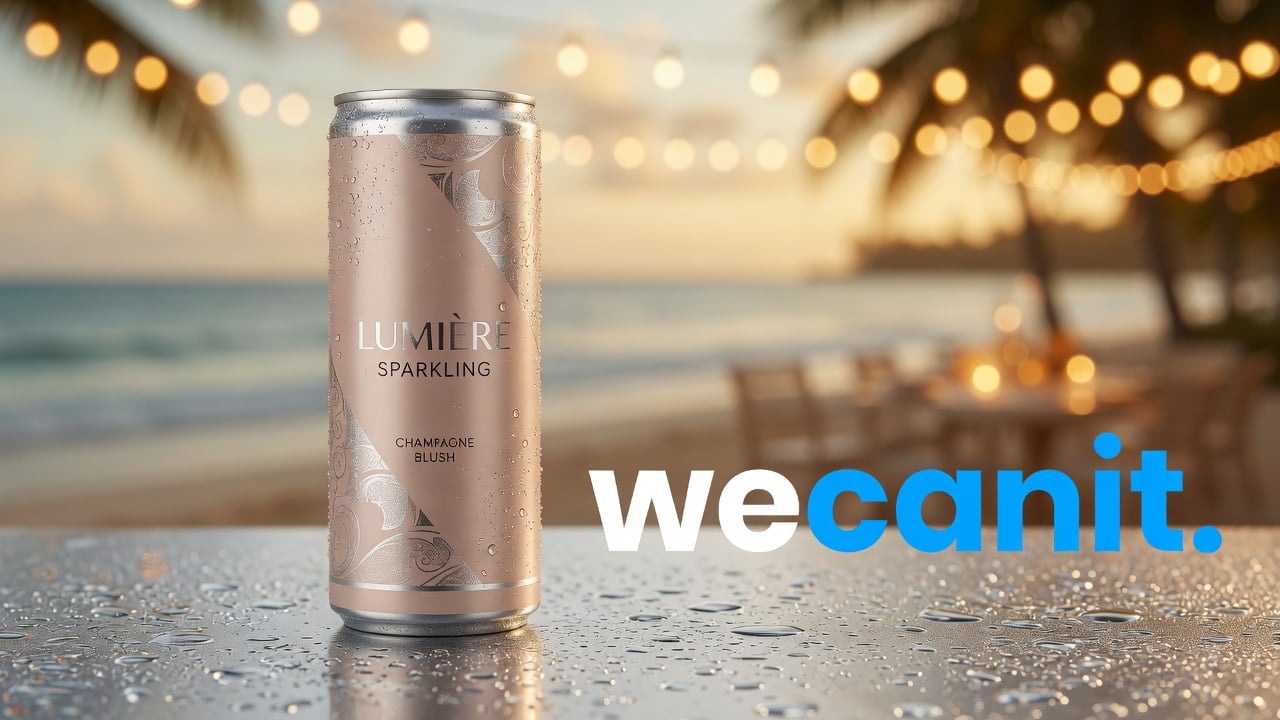
Still is usually the volume base for everyday coolers. Sparkling lifts lifestyle peaks and event nights. Alkaline fits when wellness is part of the store story. Many retailers launch still first under one brand system, then expand once facings and sell-through are clear.
Merchandising tips for photo-ready coolers
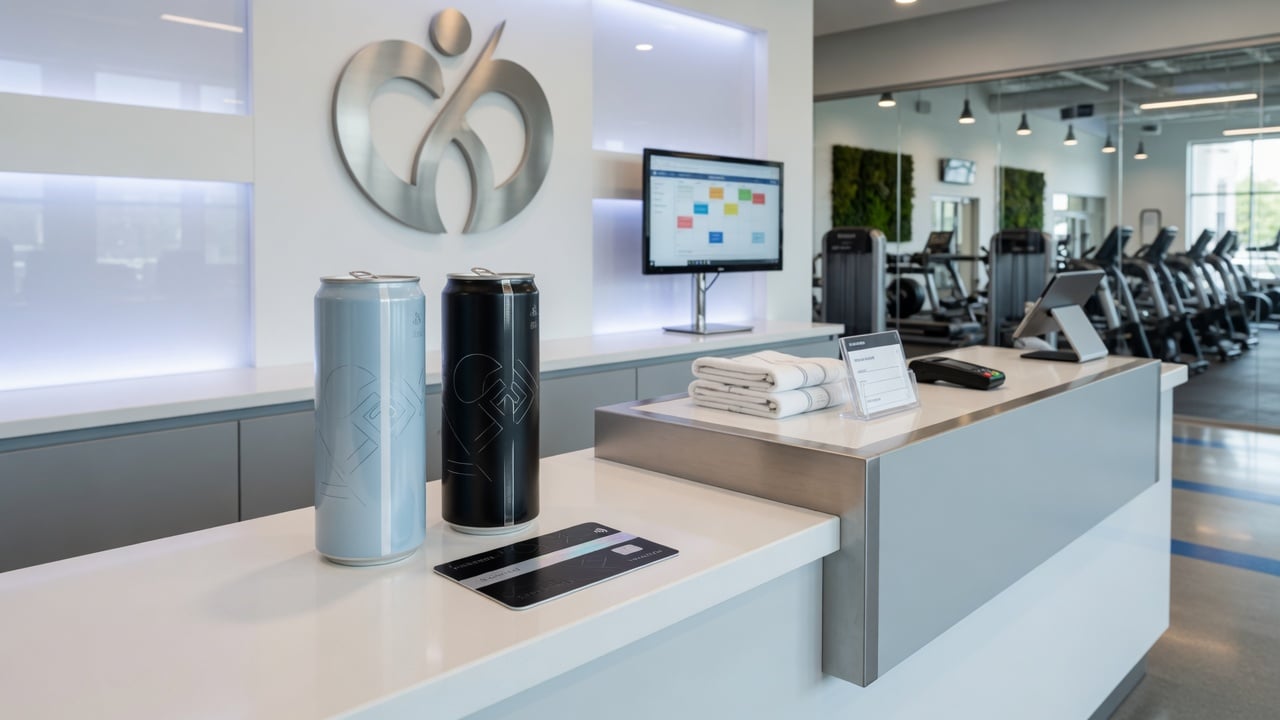
Keep facings consistent by SKU. Avoid mixing three random bottle shapes beside the can set. Use lighting that loves metallic highlights without blowing out the wrap. Refresh condensation-heavy doors so packaging stays proud. Train staff not to face foreign brands into your brand block after a rush.
Retail coolers reward consistency more than novelty for its own sake. Keep the brand block clean. Reorder what works. Treat the first season as a merchandising test you can measure: facings held, photo usage, comments, and reorder timing. A program is just a pilot that earned a standing reorder.
Seasonal drops and limited wraps
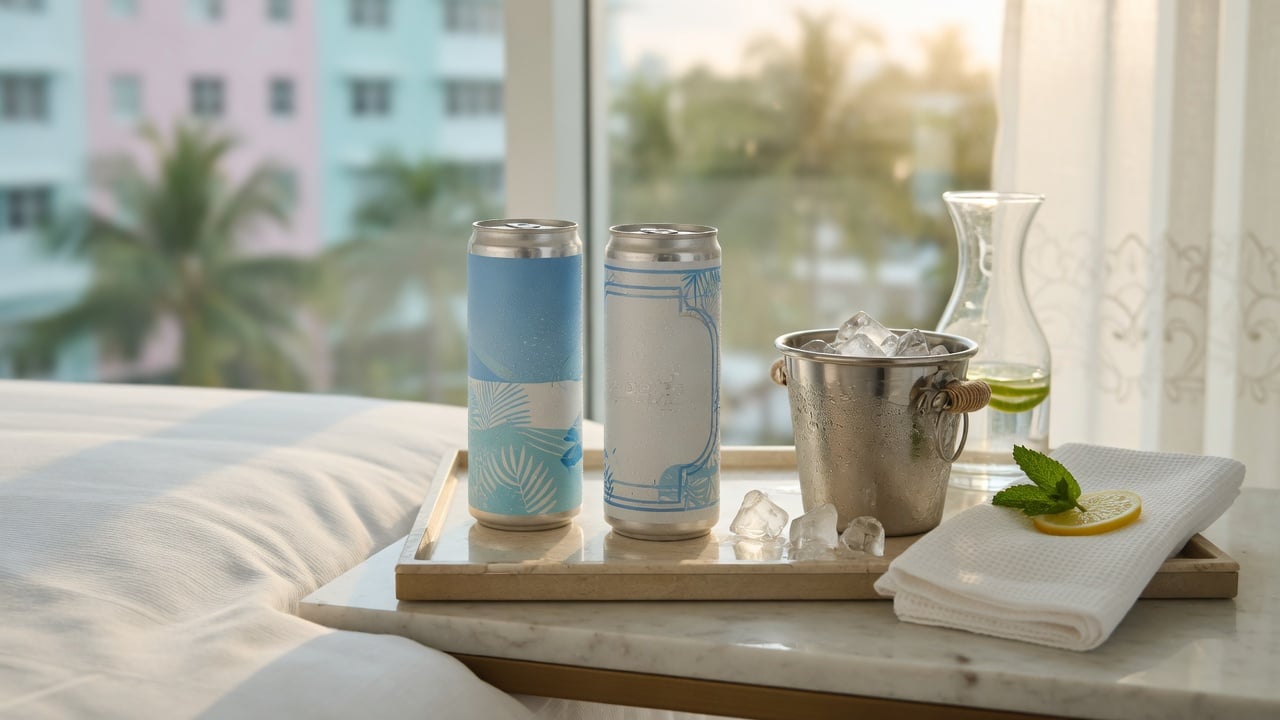
Retail loves a drop. Private label can support seasonal art if you plan reorder windows and art-lock dates honestly. Digital print thresholds matter when you want a seamless can surface at higher volume. Label print keeps pilots affordable. Do not invent a new wrap every two weeks and expect recognition to compound. Rotate journeys or limited moments when you need freshness. Protect the core brand system.
Brand protection and proof discipline
Approve proofs. Protect files. Do not let a last-minute "quick tweak" bypass the proof step two days before the ship date. That tweak is how wrong logos reach a flagship cooler. Invite everyone who can say no to the art-lock meeting: brand, legal if needed, budget owner, and the person who receives freight at the DC or store.
Leave with written approval. That approval is the start line. Everything after it is production and freight. Soft art is the most common reason a drop misses the cooler, not the fill line itself.
When an agency owns creative and you own the cooler, misalignment is expensive. Use one shared brief with five fields only: shopper moment (flagship cooler, pop-up, event, VIP lounge), primary promise in one sentence, water type mix and why, must-have legal or brand constraints, and the success metric for the first reorder decision. Name humans for art, money, and receiving.
Production path retailers can reverse-plan
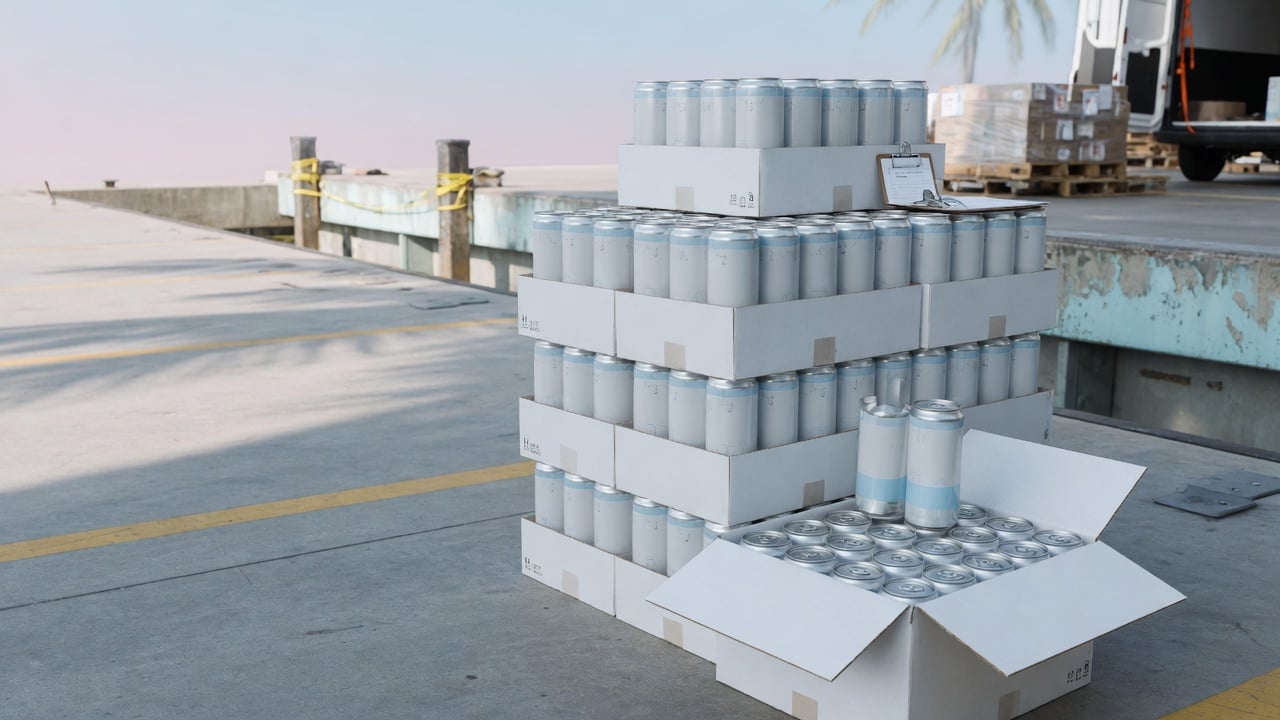
Adapt brand art to can geometry. Approve digital proofs. Print (label or digital). Fill still, sparkling, or alkaline. Ship cases of 24 to DC or store. Reverse-plan from the drop or reset date: subtract freight, subtract about 2 to 3 weeks of production after art approval, and treat that date as art lock.
While cans are in production, prep social assets, brief store teams, test any QR journey on mobile data, and plan cooler layout by facing. Speed is a system, not only a factory promise. Parallel work is how two to three weeks feel calm instead of chaotic.
Pricing without fake list rates
Unit cost moves with quantity, can size, print path, and water type. Sparkling can carry a small per-can premium. We do not invent shelf prices here. Run the instant quote calculator with real case counts so finance trusts the figure. If you are comparing vendors, ask each one to quote the same case count, size, and print path so the numbers are comparable. Then choose the partner who can also protect your art and hit your dock date. That is how retail packaging decisions stay commercial instead of purely decorative.
Multi-door rollouts without chaos
Standardize art early across doors. Local managers can choose case counts by traffic. They should not choose different silhouettes every quarter. Pilot one hero door or pop-up for two weeks. Capture sell-through signals you care about, photo usage, staff friction, and guest comments. Then roll the same system to the next door.
Too many teams invent a new wrap every month and never build recognition. Shoppers cannot remember what they never see twice. Keep the art stable. Adjust counts by season. Add sparkling or alkaline only when the base still SKU is trusted.
High-end retail already invests in materials, lighting, and staff presence. Water is often the last uncontrolled surface in the shopper journey. When that surface finally matches the store, the cooler stops competing with the rest of the floor. When it does not, every photo and every reset reminds the team that procurement chose convenience over brand. Private label aluminum is how you close that gap without inventing a new merch program every season.
Buyer checklist for retail branded water packaging
- Confirm cooler footprint and facings for the pilot door or pop-up.
- Confirm print path for pilot vs scale (label from 21 cases, digital from 100).
- Confirm brand color accuracy on digital proofs before production.
- Confirm freight to DC or store and receiving windows.
- Confirm minimum order (21 cases / 504 cans) fits risk tolerance.
- Confirm lead time from artwork approval (about 2 to 3 weeks typical).
- Confirm QR destinations are live if you print a code.
- Confirm no invented unit prices in decks (use the calculator).
- Name a reorder owner after the first real week of sell-through or service.
FAQ
Can retail run multi-SKU coolers?
Yes. Still for volume, sparkling for lifestyle peaks, one brand system. Keep facings clean so the cooler photographs as a block, not a junk drawer.
What is the minimum for a single door pilot?
We Can It starts at 21 cases (504 cans). That fits many single-door or pop-up tests before multi-door scale.
How long does production take?
About 2 to 3 weeks from artwork approval is typical, plus freight. Seasonal drops need reverse-planning from the reset date, not from the first inquiry email.
Label or digital print for retail?
Label print starts at 21 cases and fits first runs. Digital print starts at 100 cases when you want a seamless aluminum surface at higher volume. Match the path to pilot vs scale.
Should we put QR on retail cans?
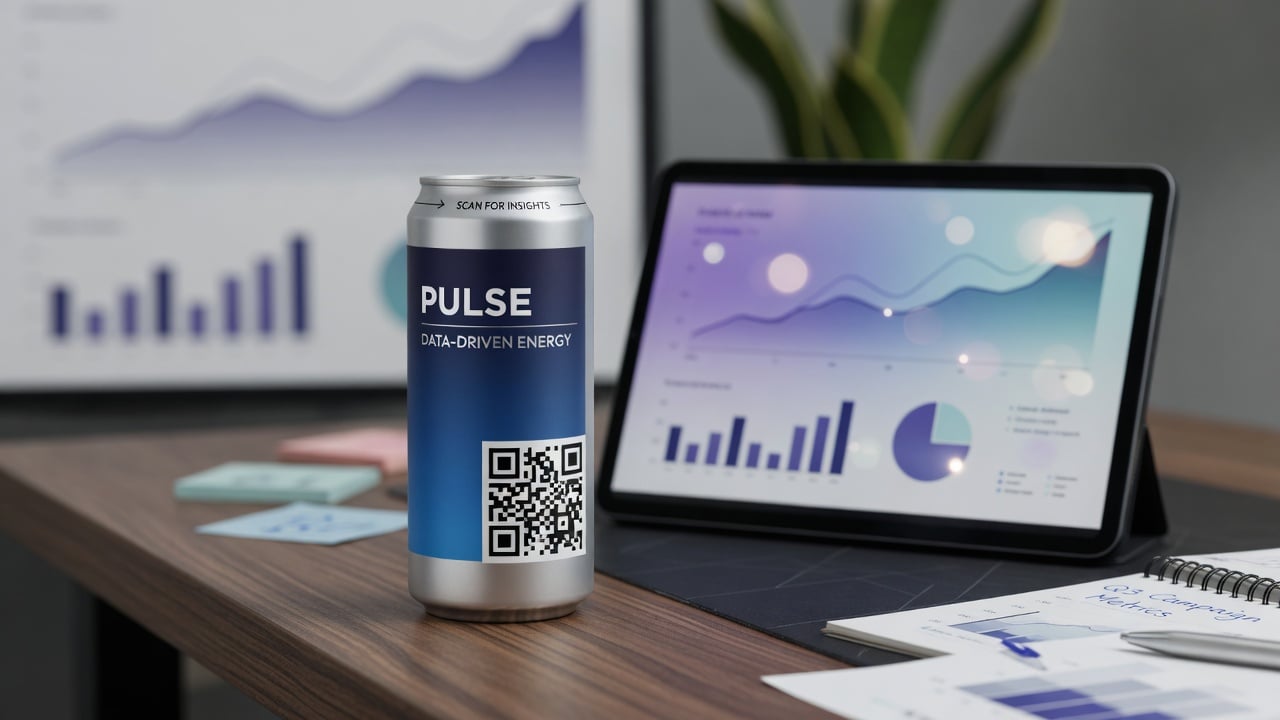
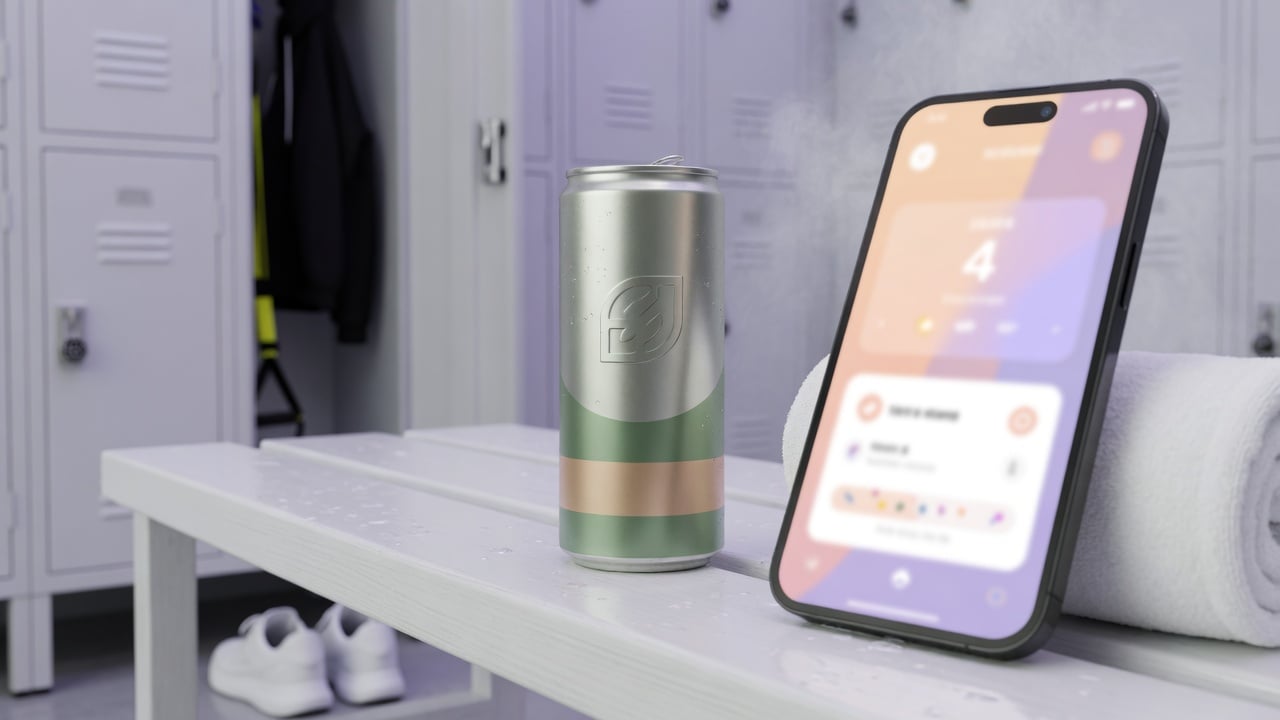
Only when the journey is live and useful: loyalty, drop access, or a real offer. Dead codes damage trust faster than no code at all. See Digital experience.
How do we keep the cooler photo-ready day to day?
Consistent facings, condensation refresh, no foreign brands faced into your block, and staff trained in one-sentence brand language. Packaging is merchandising, not only procurement.
Get a quote for retail branded water cans
Ready for a cooler that looks like your store? Start with facings, case counts, and an art-lock date reverse-planned from the drop.