What COOs Should Ask About FDA-Conscious Canned Water Production
COOs buy process clarity and proof discipline, not adjective stacks. Here are the questions that keep claims honest.
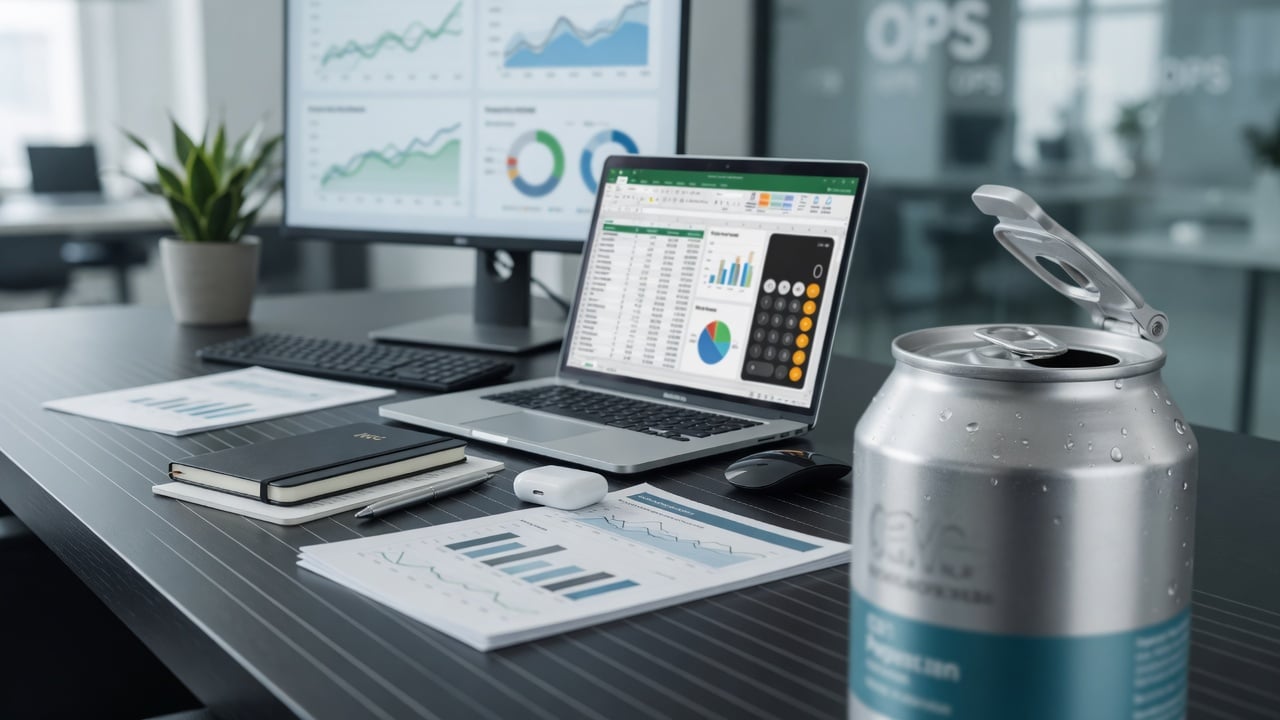
COOs do not buy adjectives. They buy process clarity, proof discipline, and partners who will not invent certifications in a pitch. Somewhere between the marketing deck and the procurement file sits a quieter question: can this manufacturer explain how water becomes a branded can without stacking unverified badges on a slide?
This guide lists the questions to ask about FDA-conscious canned water production without turning a blog post into a legal memo. We stay inside verified knowledge-base language and send you to primary pages for process detail. Exact certification claims should always match what the company has verified. Gaps stay marked for confirmation, not for marketing.
What "FDA-conscious" means in a private label conversation
It means the manufacturer can explain production, labeling, and approval paths in plain language and will not stack unverified badges on a sales slide. It means digital art proofs and label approval exist before production. It means claims on the wrap match what the plant will stand behind. It does not mean a blog post replaces your legal review or your internal compliance packet.
For buyers evaluating FDA-compliant canned water production as a commercial phrase, the useful move is the same: ask process questions first, logo questions second. Partners who reverse that order are selling theater.
The scene every COO has lived through
Marketing wants branded water for a launch. Brand wants the wrap to match the identity system. Legal wants claim language that will not create a headache. Procurement wants minimums, lead times, and a quote path that finance can defend. Someone pastes a competitor slide full of certification logos with no scope. The room freezes.
Your job is not to become a food lawyer overnight. Your job is to force clarity: what is the water narrative in customer-facing language, what proofs exist before production, what is the minimum and the clock, how multi-SKU programs work, where pricing comes from, and which claims the manufacturer will refuse to print. Those six answers prevent most post-order drama.
Questions every COO should ask
- What is the water treatment narrative in customer-facing language?
- What proofs exist before production (digital art proofs, label approval)?
- What is the minimum order and lead time from artwork approval?
- How are multi-SKU programs handled (still, sparkling, alkaline)?
- Where does pricing come from (calculator vs custom quote)?
- What claims will you refuse to print?
Write the answers down. Share them with legal and procurement once. Sales can reuse the same one-pager. That single discipline beats a month of inbox ping-pong.
How We Can It answers operationally
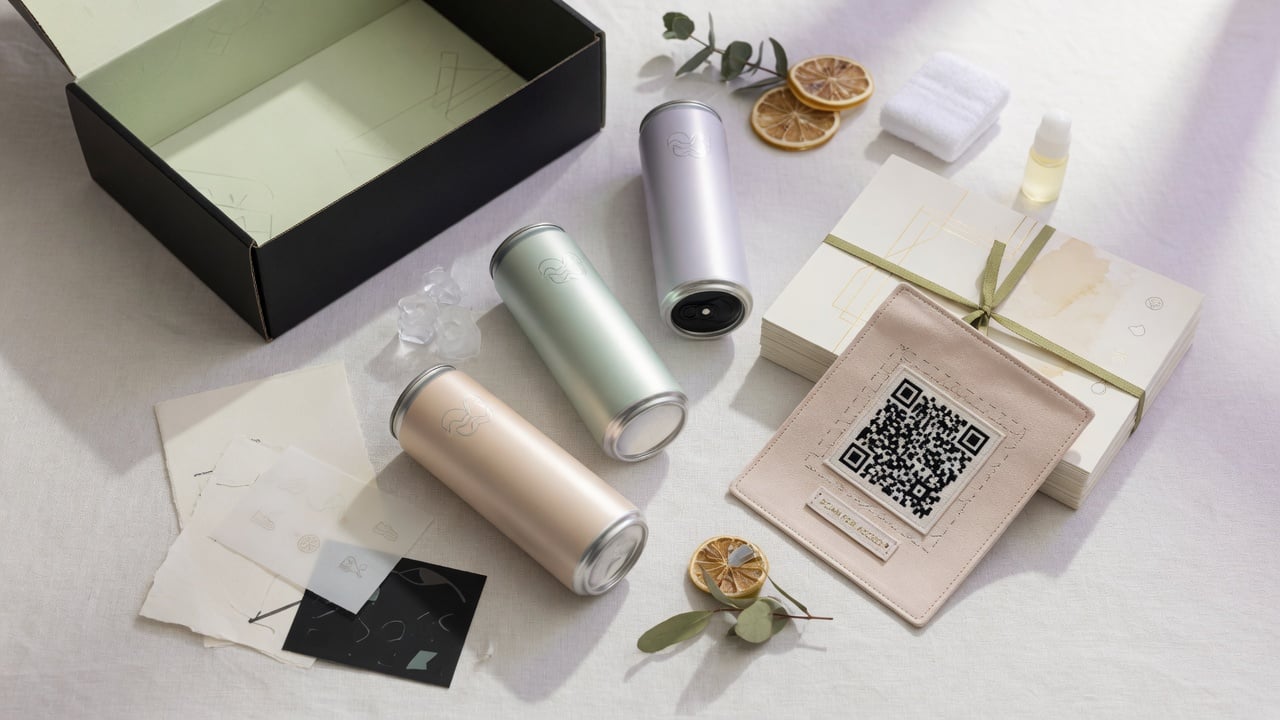
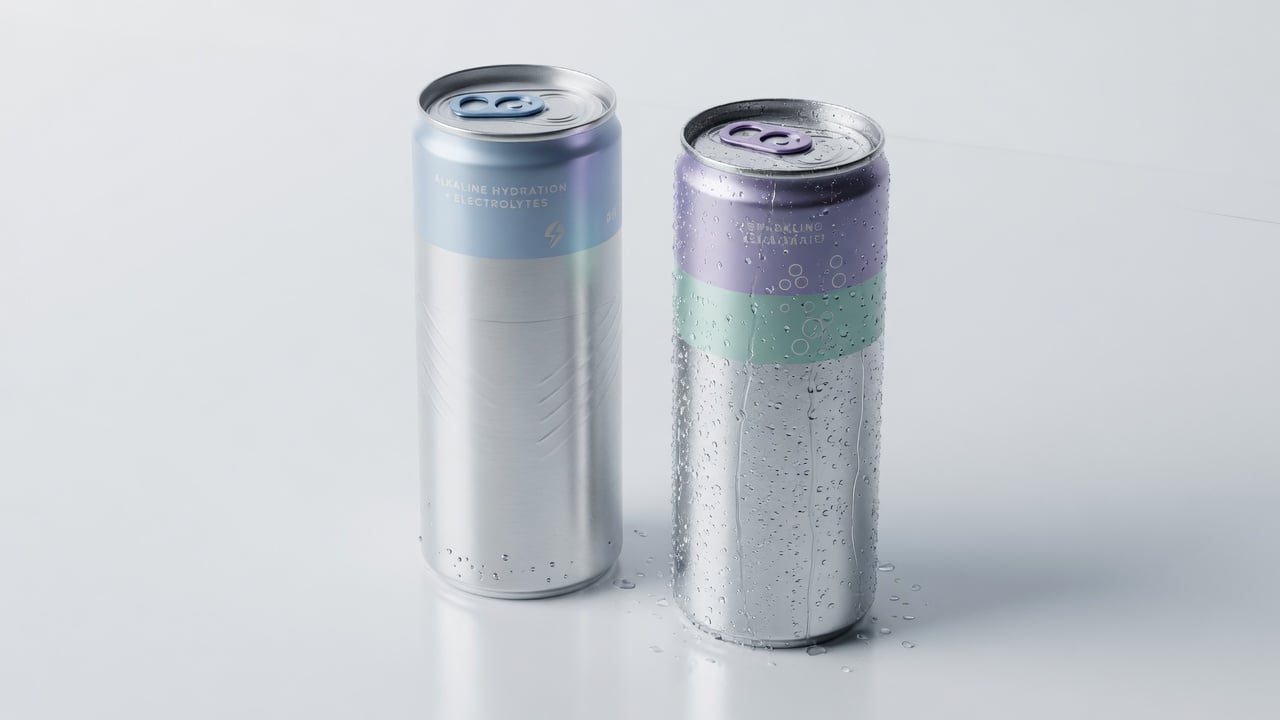
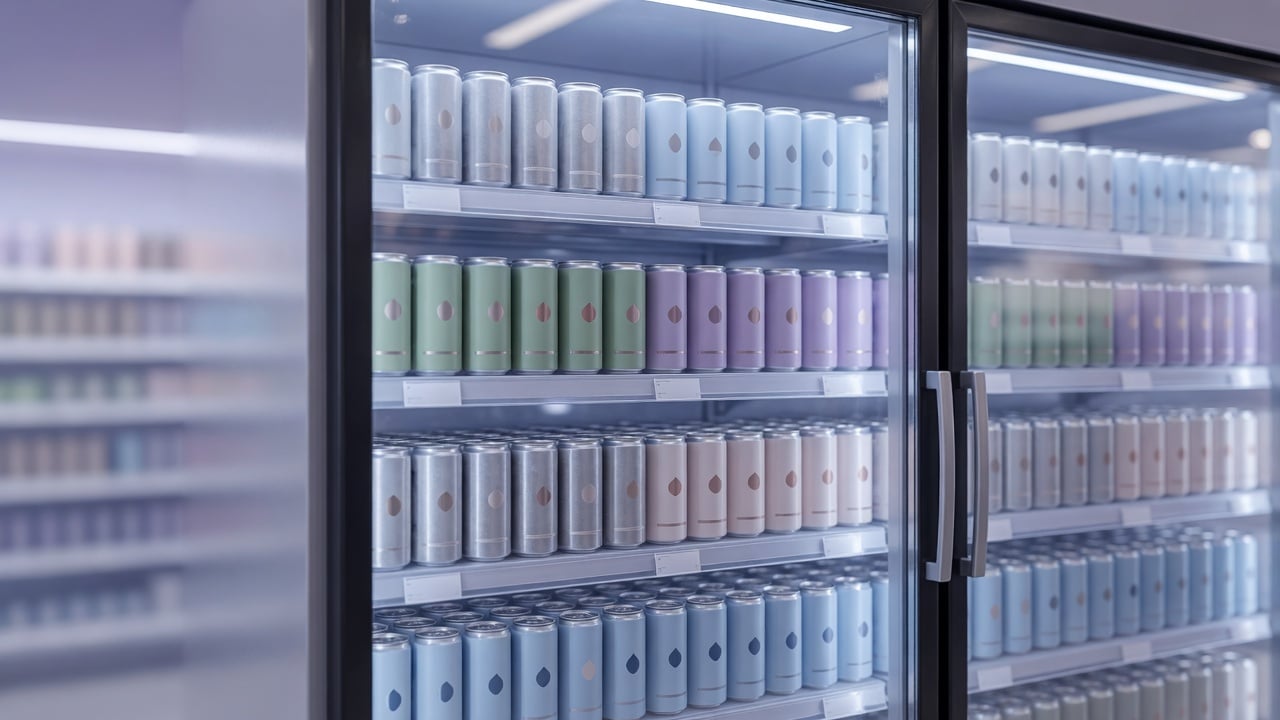
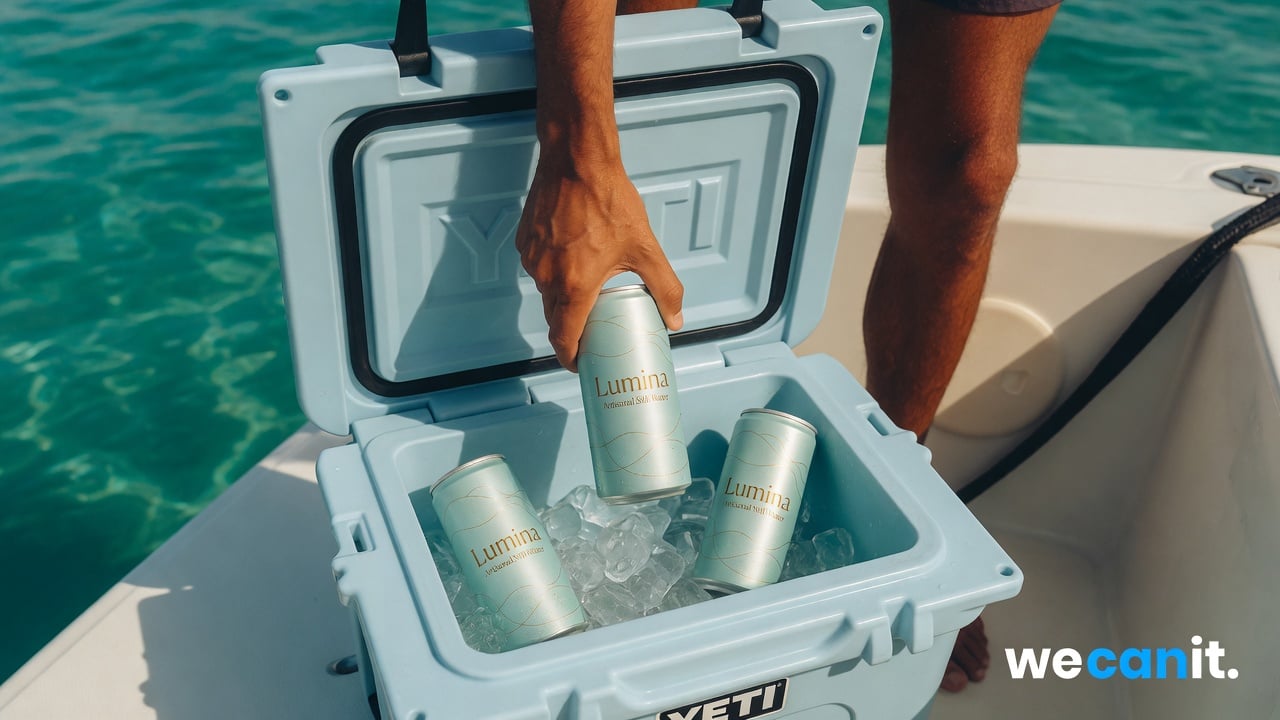
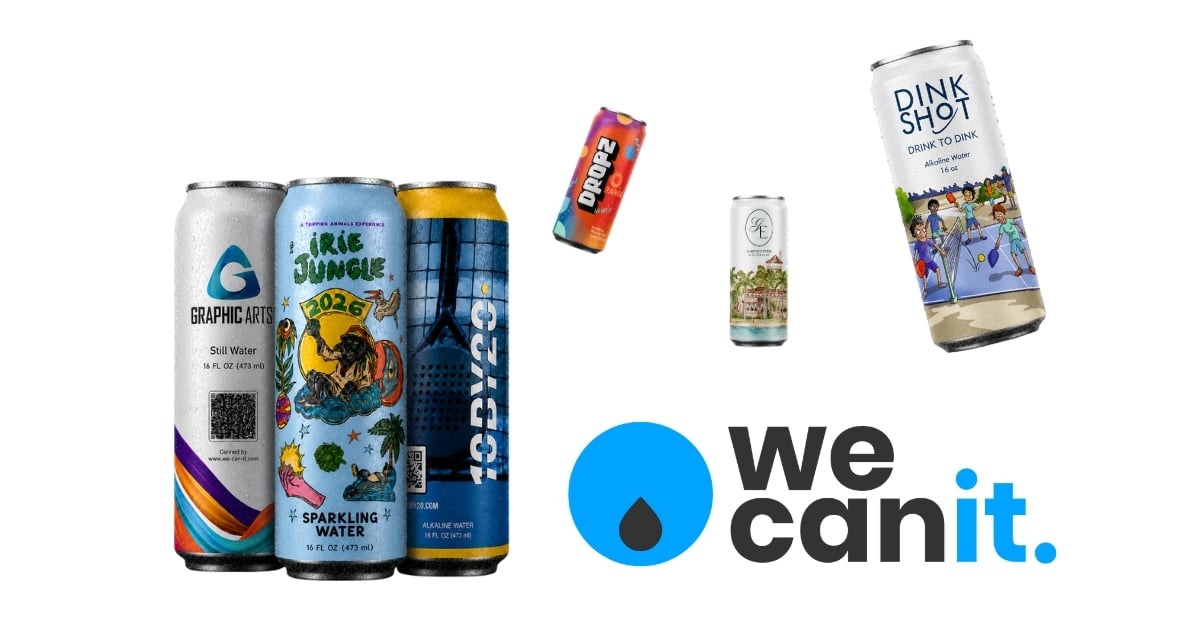
We Can It produces private-label still, sparkling, and alkaline in aluminum cans. Minimum order is 21 cases (504 cans) at 24 cans per case. Typical production is about 2 to 3 weeks from artwork approval. Label print starts at 21 cases. Digital print starts at 100 cases. Sizes: 12oz Regular, 12oz Sleek, 16oz. Process narrative lives on Technology · Water. Packaging and print paths: Technology · Labels. Product overview: Products. Quotes via the instant quote calculator.
We do not invent unit prices or unverified certification stacks in content. If you need a detailed compliance packet for procurement, ask during quote follow-up and our advisors will route the right materials. A product advisor will email you quickly when you need a human path.
If you have only seen promo imprint catalogs, that is a different world. Private label means your brand system, your sizes, and a partner who will say no to claims they cannot support. That "no" is a feature, not a sales obstacle.
Red flags in vendor decks
"Cheapest" claims without cost drivers. Certification logos with no scope. Mineral or spring claims the plant will not stand behind. Lead times that ignore art-lock reality. Sample promo pricing presented as private-label infrastructure. Guarantees that sound absolute without freight, art, or receiving conditions.
Treat each red flag as a process question, not a debate about brand taste. Ask for the scope of any badge. Ask when the production clock starts. Ask what happens when art is late. Ask whether unit prices in a deck match the quote tool. Partners who answer cleanly are easier to work with than partners who perform confidence.
How to brief legal and procurement without slowing sales
Create a one-pager that includes water types offered, print paths and minimums, lead time definition (from art approval), links to process pages, a statement that unit prices come from quote tools not blogs, and a list of claims the company will not make without verification. Sales can share it. Legal can comment once. Procurement can file it.
That document protects speed. Without it, every new stakeholder reopens the same debate. With it, marketing can move while ops stays inside a known box. COOs win when the box is clear, not when the box is empty of rules.
Claims discipline on the wrap
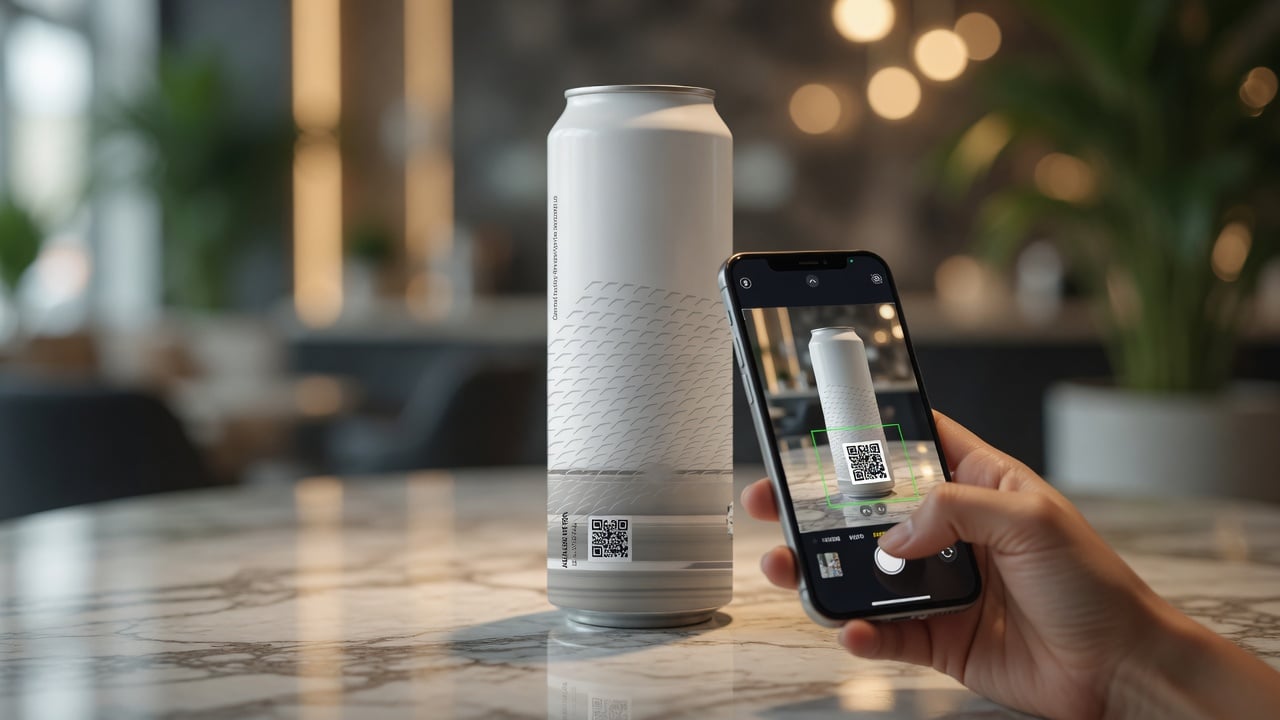
The can is a public statement. Do not print wellness or source language the manufacturer will not defend. Do not invent mineral stories for social. Do not paste QR to a page that overclaims. Align marketing copy with process language on Technology · Water. When in doubt, shorter and truer wins.
Production path and timeline clarity
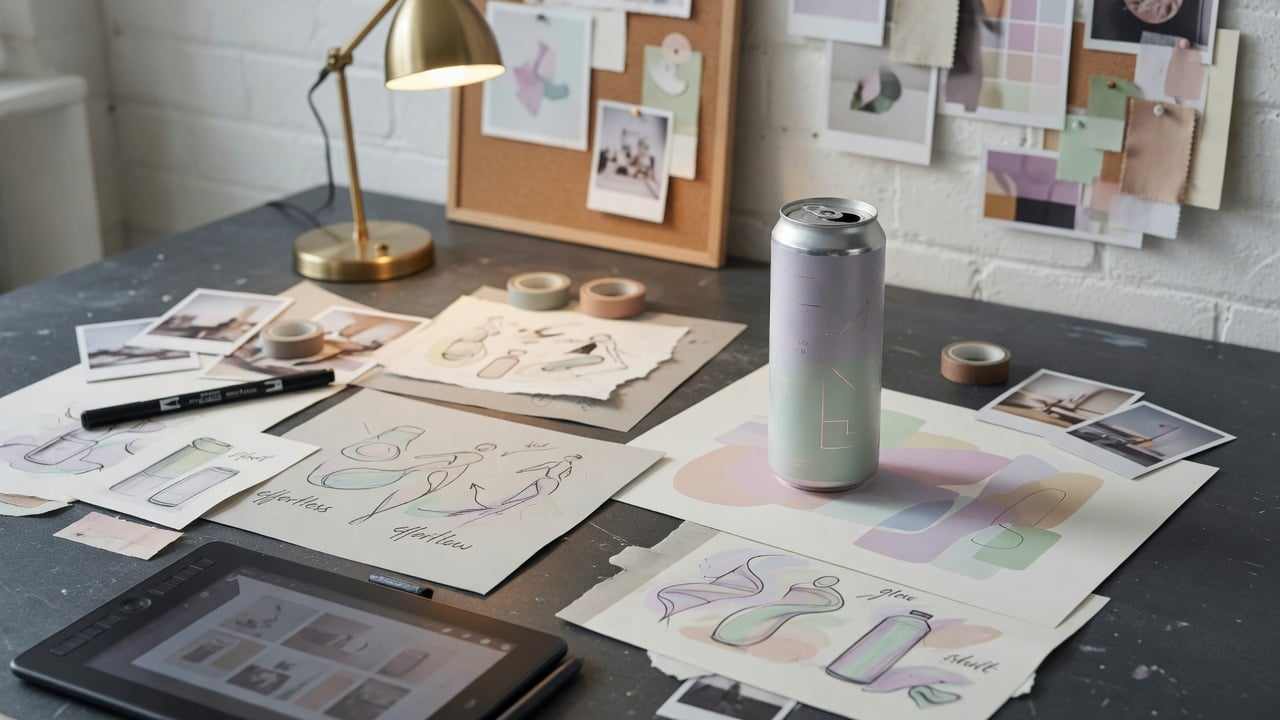
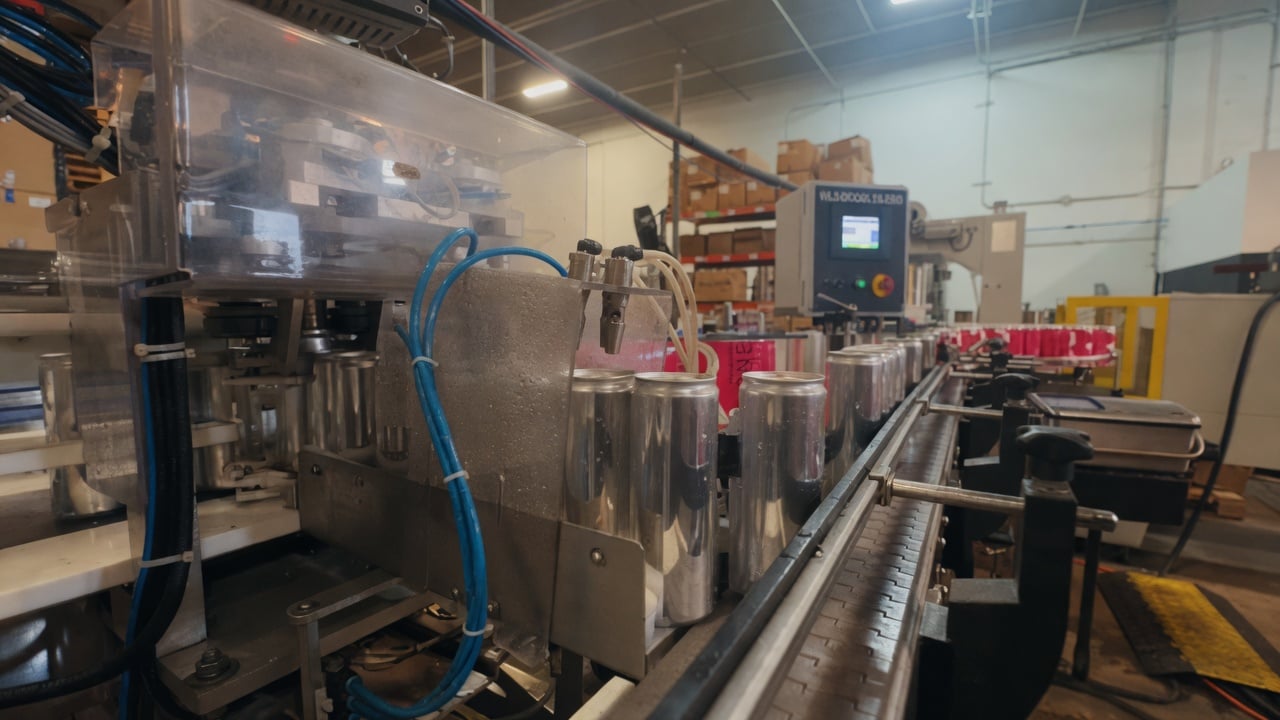
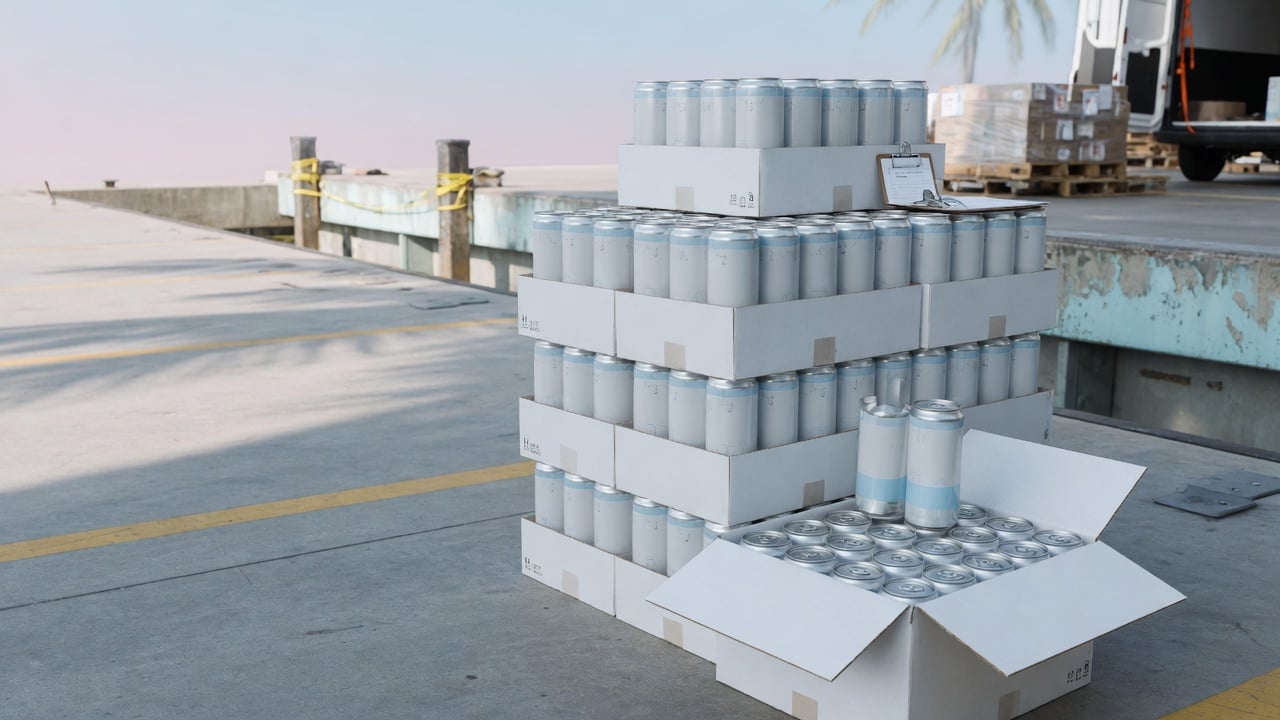
Private label still, sparkling, and alkaline follow a clear sequence: adapt brand art to can geometry, approve digital proofs, print, fill, ship cases of 24. Artwork lock starts the clock. Inquiry date is when someone asks for a quote. Only art approval starts production. Teams that treat the first email as day zero always feel behind even when manufacturing is on track.
A practical planning sprint is simple. Align brief and budget. Design and stakeholder review. Proof approval and quote lock. About 2 to 3 weeks of production from approval, with freight padded. After delivery: stock, train, measure, reorder. If the date cannot fit the sprint, change the date or the scope. Do not pretend the factory can absorb a late art file without tradeoffs.
Rush may be available depending on schedule. Ask when you quote. Do not assume. Honesty about capacity protects openings more than heroic promises.
Pricing without fake list rates
Unit cost moves with case count, can size, print path, and water type. Sparkling can carry a small per-can premium. We do not invent shelf prices here. Run the instant quote calculator with real inputs so finance trusts the figure. Bring case count, size, print method, water type, and ship window. That is enough for a defendable number.
If a vendor offers a blog list rate, ask what drivers are held constant. If they cannot say, the number is theater.
Continuous improvement after the first order
Ops excellence is a loop, not a certificate image on a website. After the first order, ask: did any claim create customer confusion? Did freight and receiving match the plan? Did reorders preserve art fidelity? Did multi-SKU mix match guest demand? Capture answers in a short readout and feed them into the next brief.
Name owners lightly. Brand art: designer responsible, marketing lead accountable, manufacturer consulted. Quote approval: ops or finance responsible, budget owner accountable. Receiving: facilities responsible, ops accountable. Station stocking: on-site lead responsible. Readout: marketing responsible, COO or owner accountable. Keep it light so work does not bounce between inboxes for a week.
Expanding from pilot to program without claim creep
A program is just a pilot that earned a standing reorder. Keep the art stable. Adjust case counts by season. Add sparkling or alkaline only when the base still SKU is trusted. Do not let marketing invent a new claim set every month. Claim creep is how good packaging becomes a legal project.
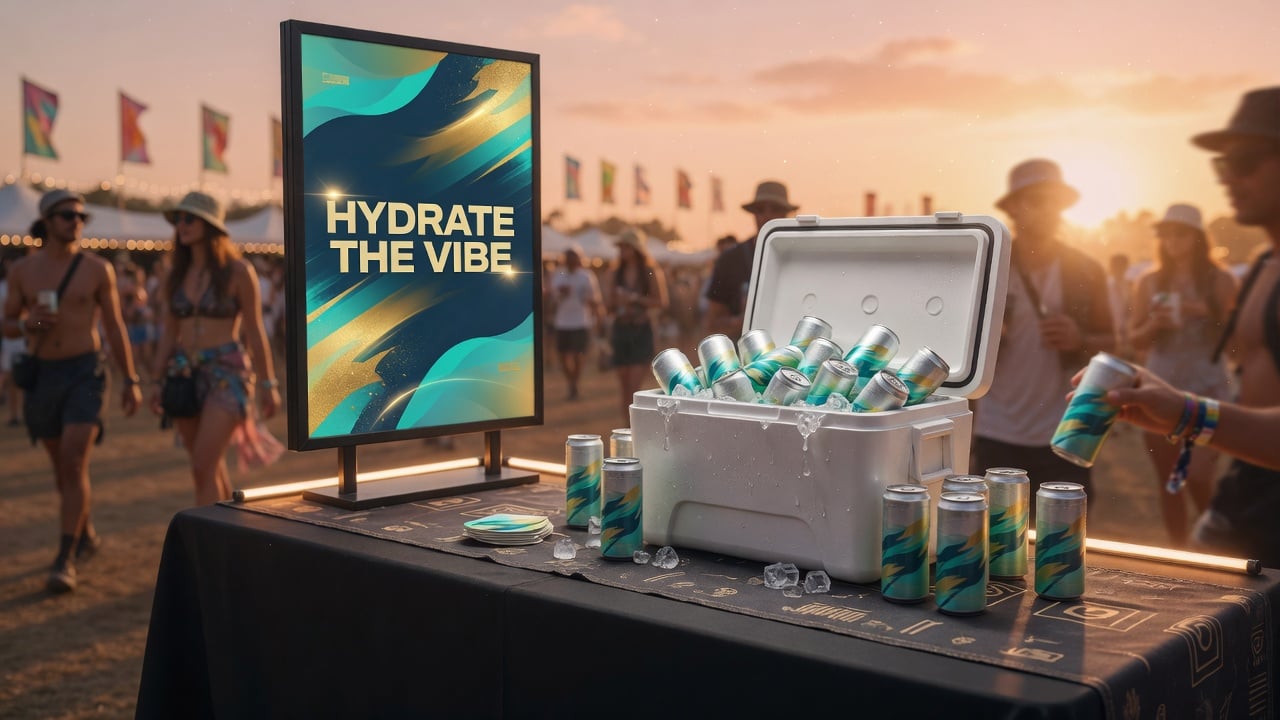
We Can It starts at 21 cases so pilots stay controlled. Typical production of about 2 to 3 weeks from art approval keeps calendars honest. Miami production ships nationwide. Use those facts. Do not invent others.
Buyer checklist for FDA-conscious canned water production
- Align claims with verified process language only.
- Require digital proofs and label approval before production.
- Map lead time to a real ship date from artwork approval.
- Confirm minimum order (21 cases / 504 cans at We Can It).
- Keep still available if sparkling or alkaline leads marketing.
- Document reorder ownership inside your team.
- Use calculator or custom quote for prices (no blog list rates).
- File a one-pager for legal and procurement before scale.
- Run a post-order readout on claims, freight, art fidelity, and mix.
FAQ
Where do we read the process narrative?
Start at Technology · Water and Products. Print and packaging detail is on Technology · Labels. Use those pages as the customer-facing source of truth.
Can we get a quote without a sales call first?
Yes. Use the instant quote calculator. Advisors follow up by email when you need help with compliance materials or multi-SKU planning.
What is the minimum order and lead time?
21 cases (504 cans). About 2 to 3 weeks from artwork approval is typical, plus freight. The clock starts at art lock, not the first inquiry.
Will you print any claim marketing requests?
No. We will not invent source, mineral, or certification language the plant will not stand behind. That refusal protects your brand and ours.
How should COOs talk to marketing about speed?
Put guest date, art-lock date, pilot quantity, and reorder ownership in the same meeting. When those four are clear, production timelines become shared operating assumptions instead of hopeful slides.
Is this blog a compliance certificate?
No. It is a buyer guide for process questions. Use primary process pages and request formal packets through quote follow-up when procurement requires them.
Get a quote with clear production questions
Ready to evaluate partners on process, not adjectives? Bring your claim list, case counts, and ship date, then reverse-plan from art lock.