Best Branded Water Solutions for Race Track Hospitality Suites
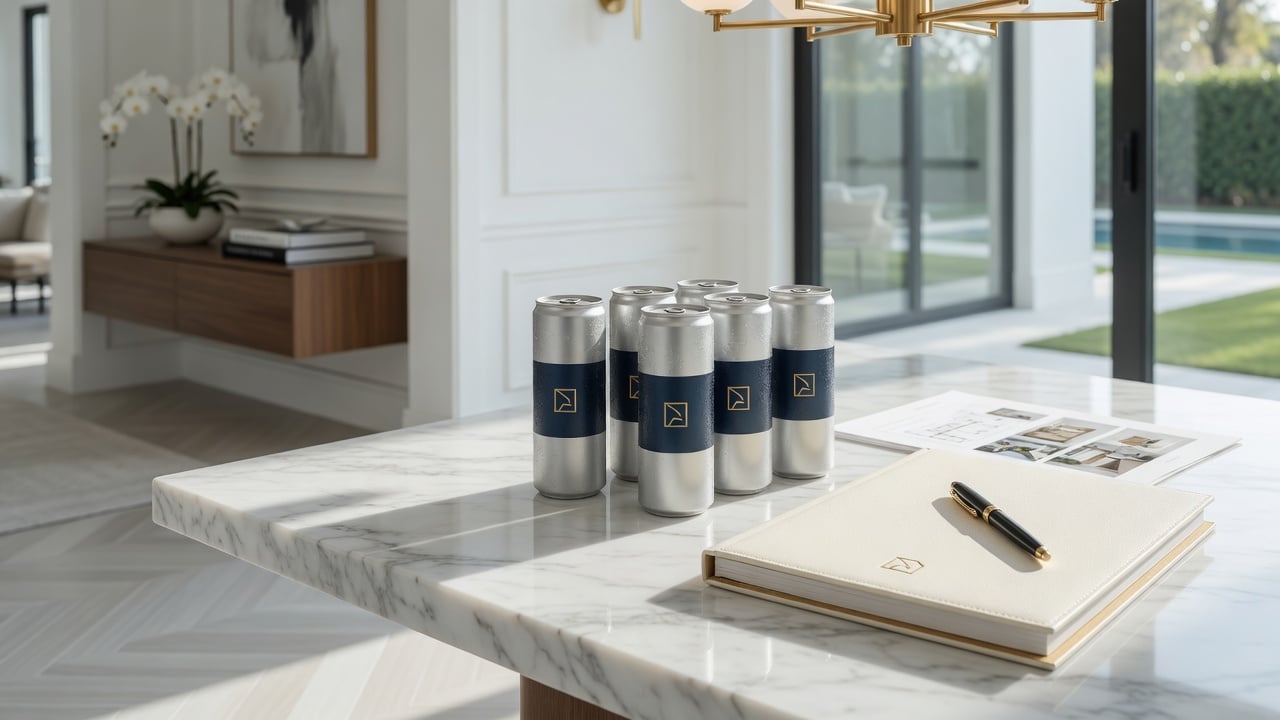
Hospitality suites at race tracks are packed with attention and sponsors who want every surface to feel intentional. Private-label cans make suite water look like your venue brand.
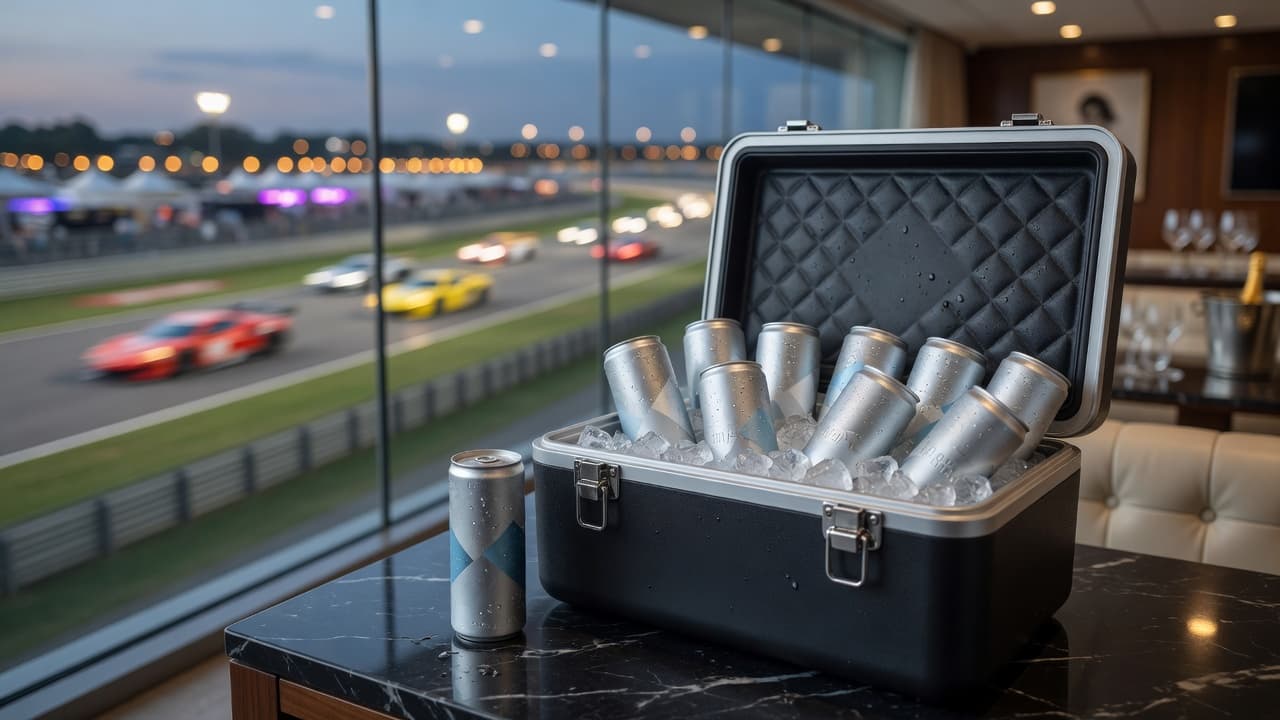
Hospitality suites at race tracks are packed with attention, cameras, and sponsors who want every surface to feel intentional. Guests walk in thirsty. They leave with photos. The water on the tray either looks like your venue brand or like a random bottle someone found in a stockroom five minutes before gates opened.
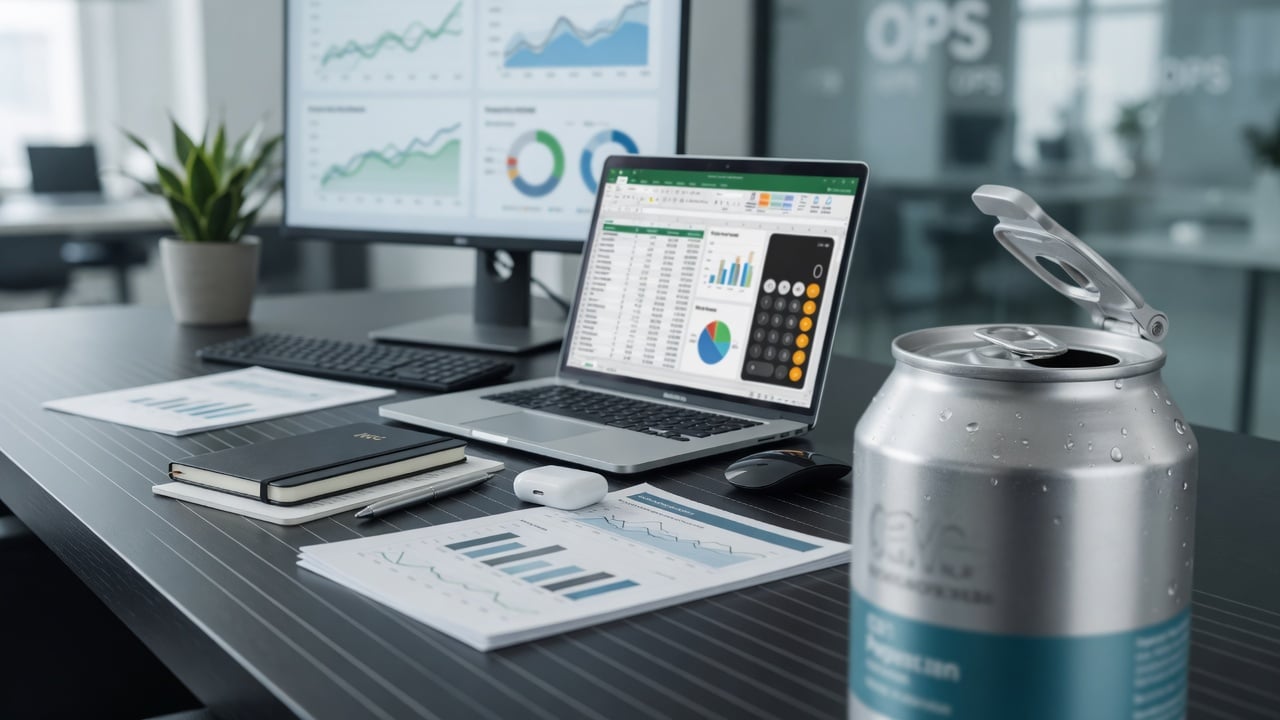
Private-label aluminum cans give race track hospitality teams a clean way to serve water that matches suite design, cooler walls, and sponsor storytelling without a warehouse-scale minimum. This guide is for suite managers, hospitality directors, and marketing leads who own guest experience on race weekends and cannot afford packaging that undercuts the room.
What is branded water for race tracks (private label)?
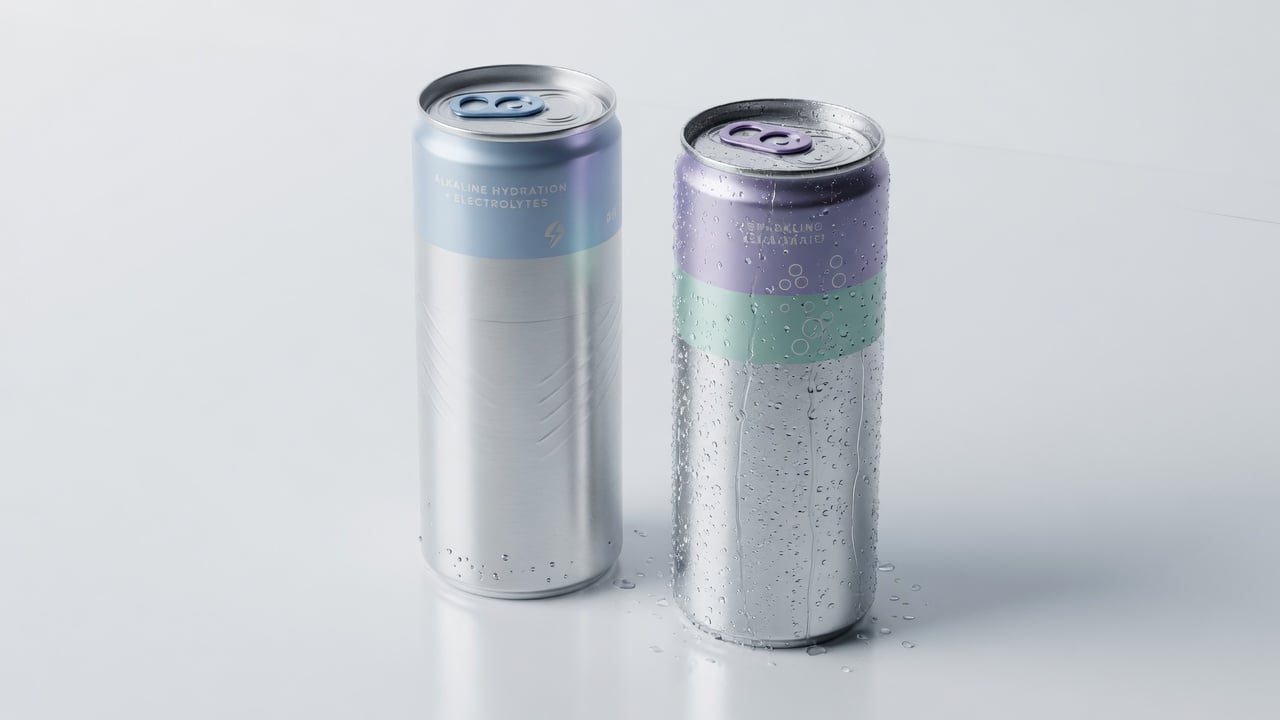
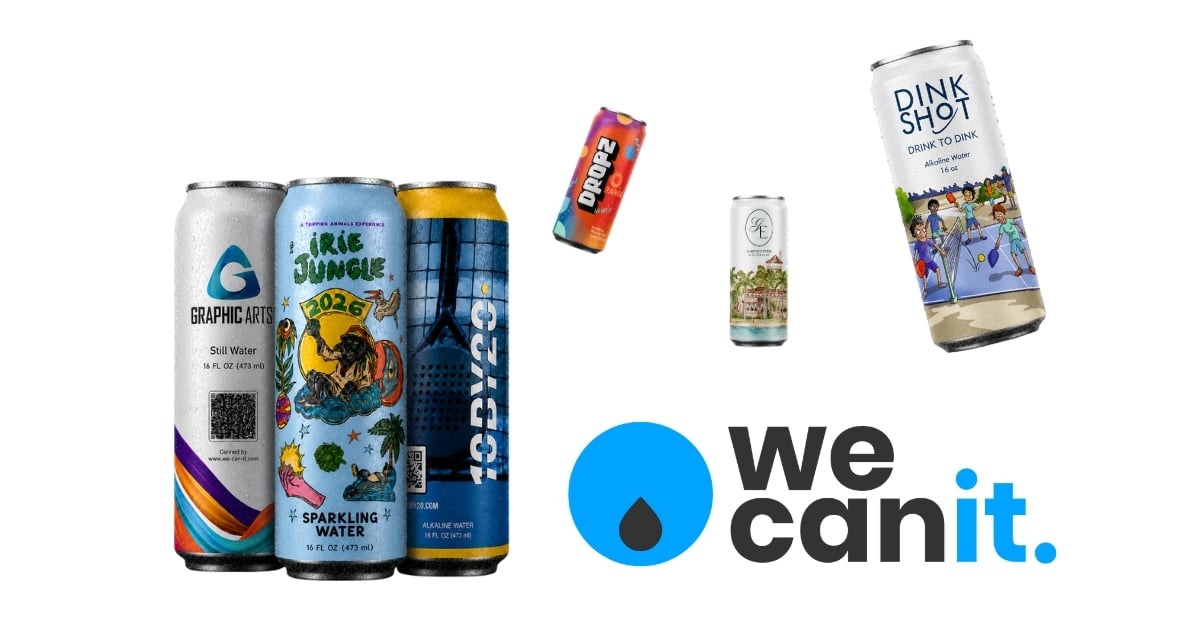
Branded water for race tracks is still, sparkling, or alkaline water filled into aluminum cans with your circuit, club, or hospitality brand on the wrap. Private label means you control the design system, the water type, and the reorder path. It is not a one-off imprint on a stock promo bottle.
At We Can It, programs start at 21 cases (504 cans) with about 2 to 3 weeks from artwork approval. Production is in Miami, with nationwide shipping. That floor fits a single race weekend pilot or a suite level test before you commit season inventory.
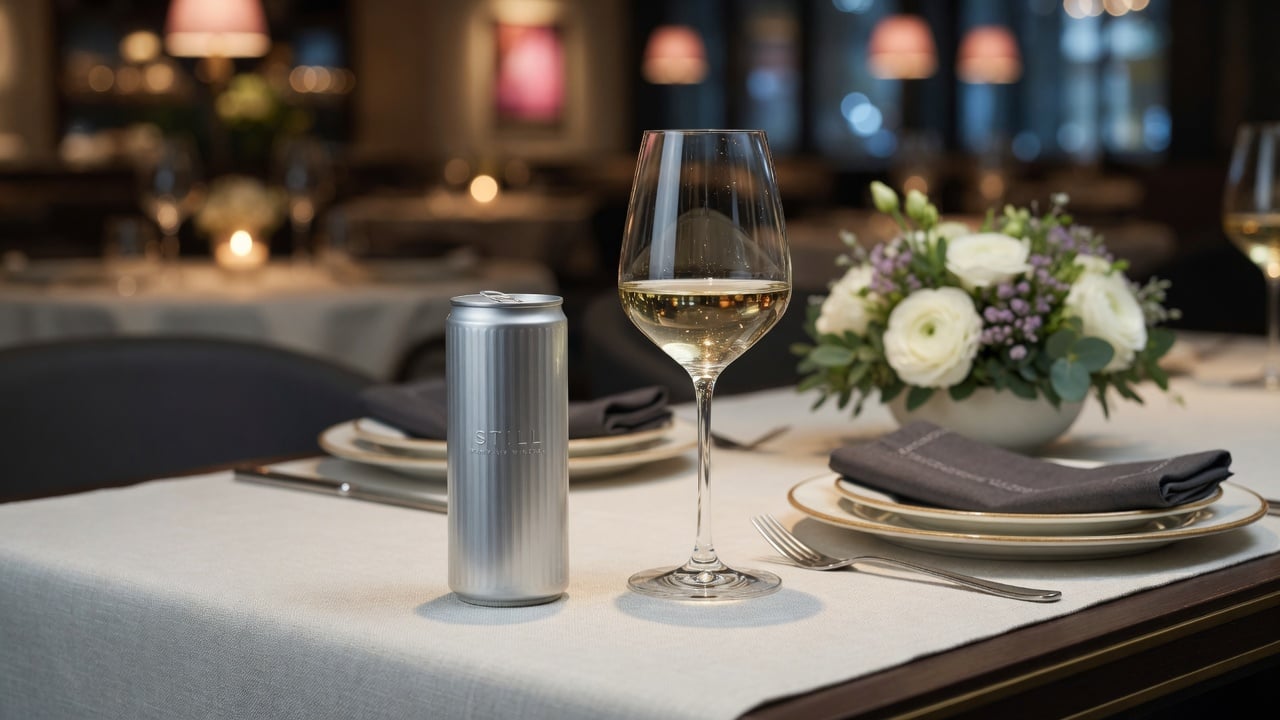
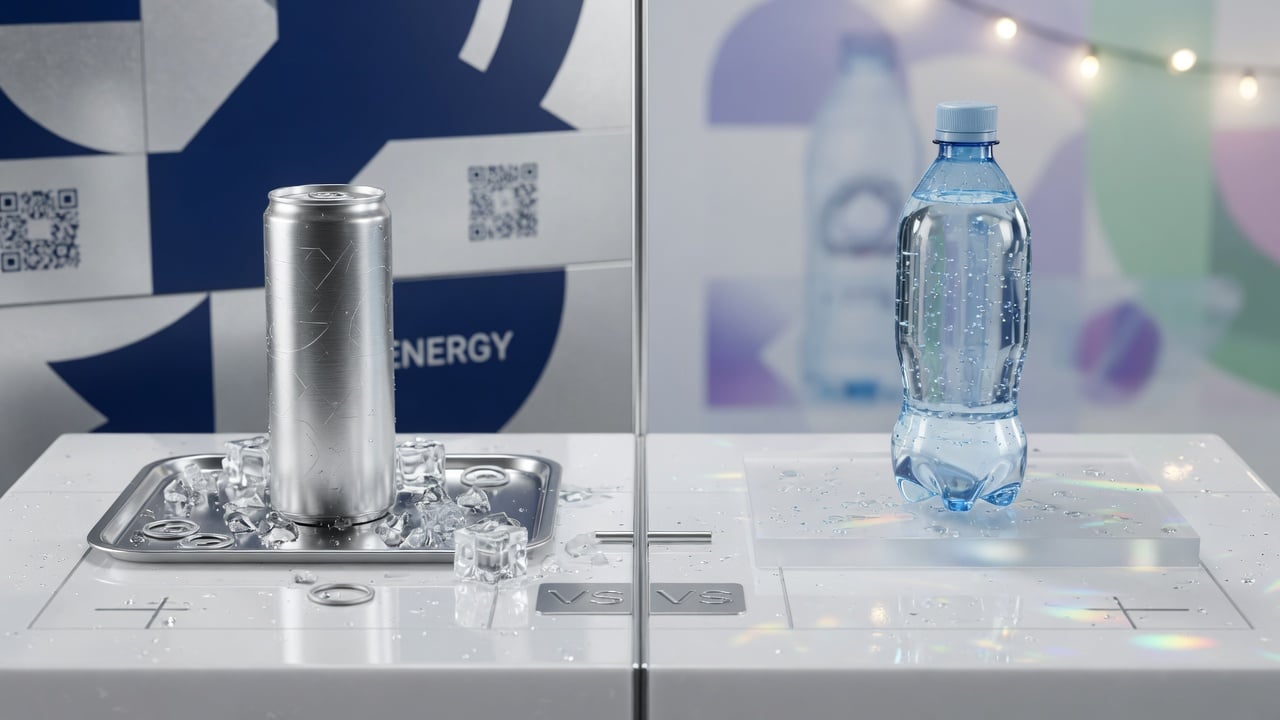
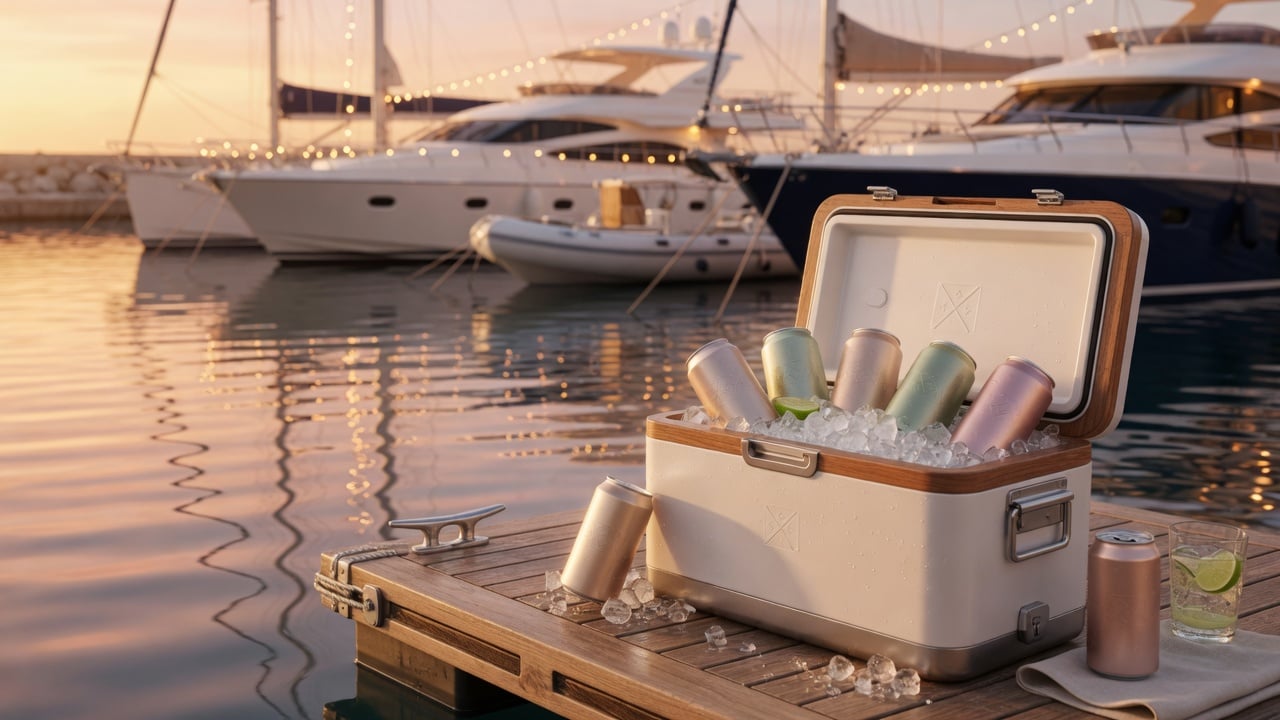
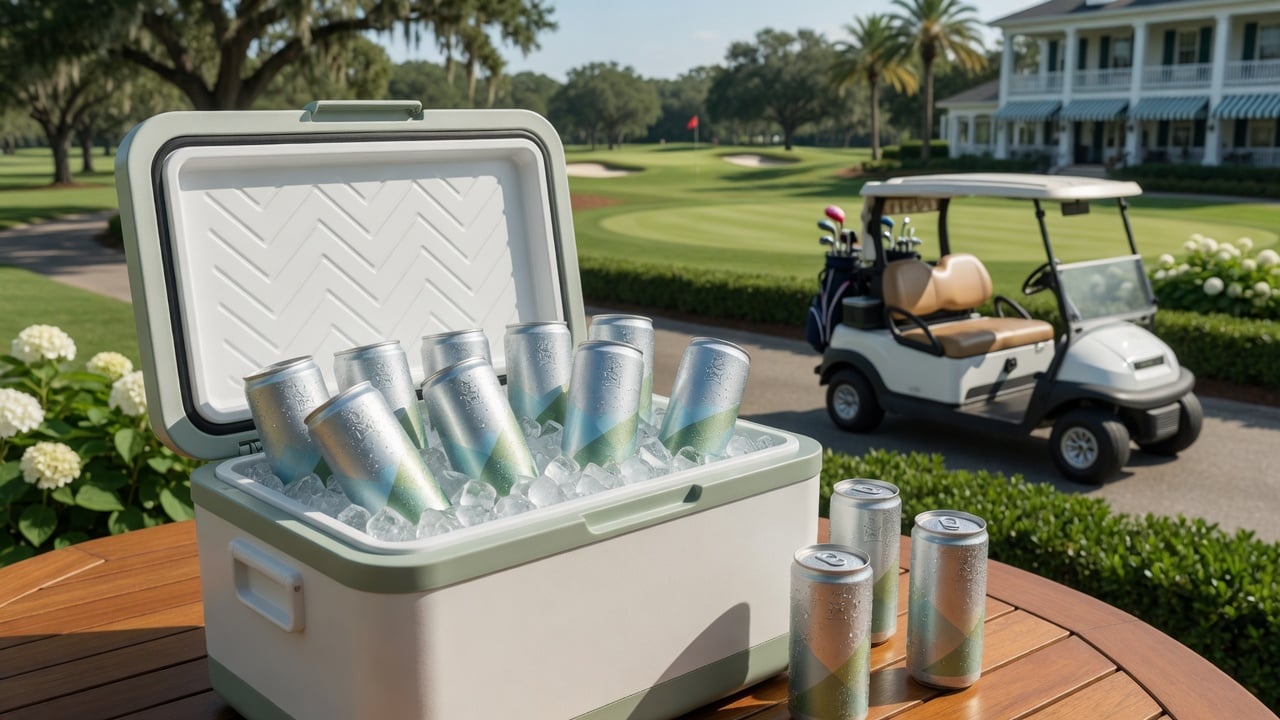
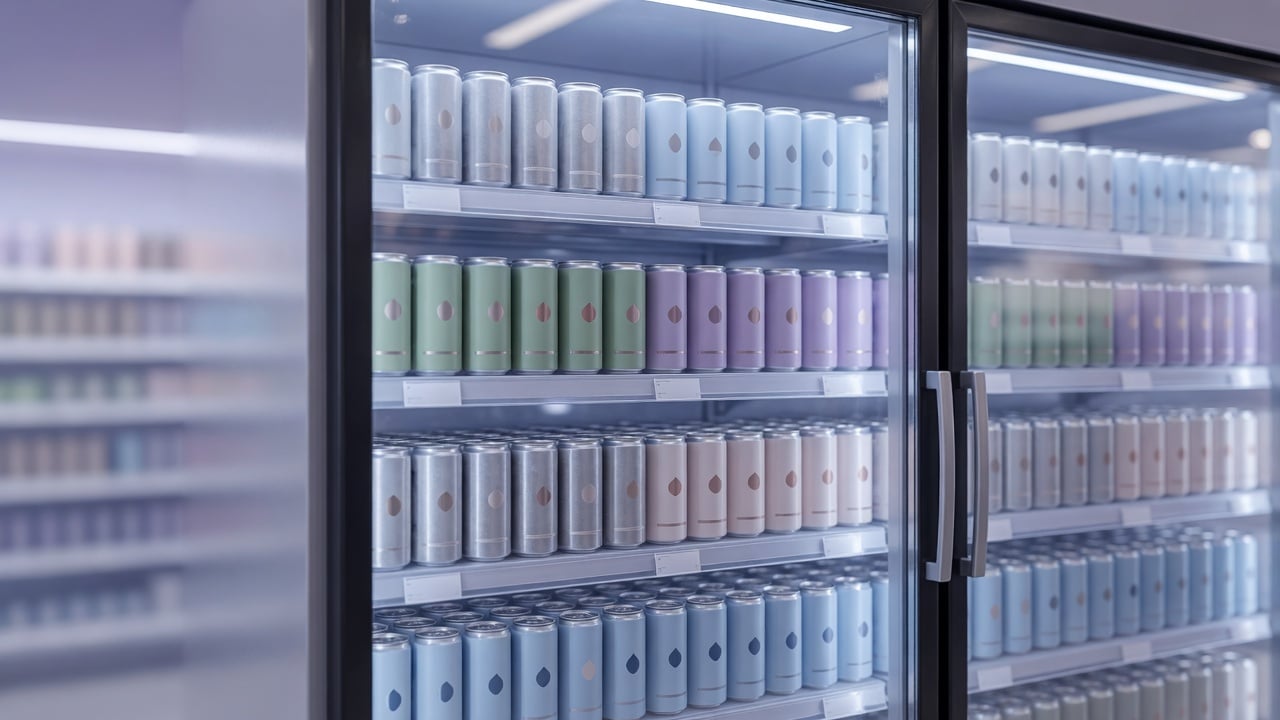
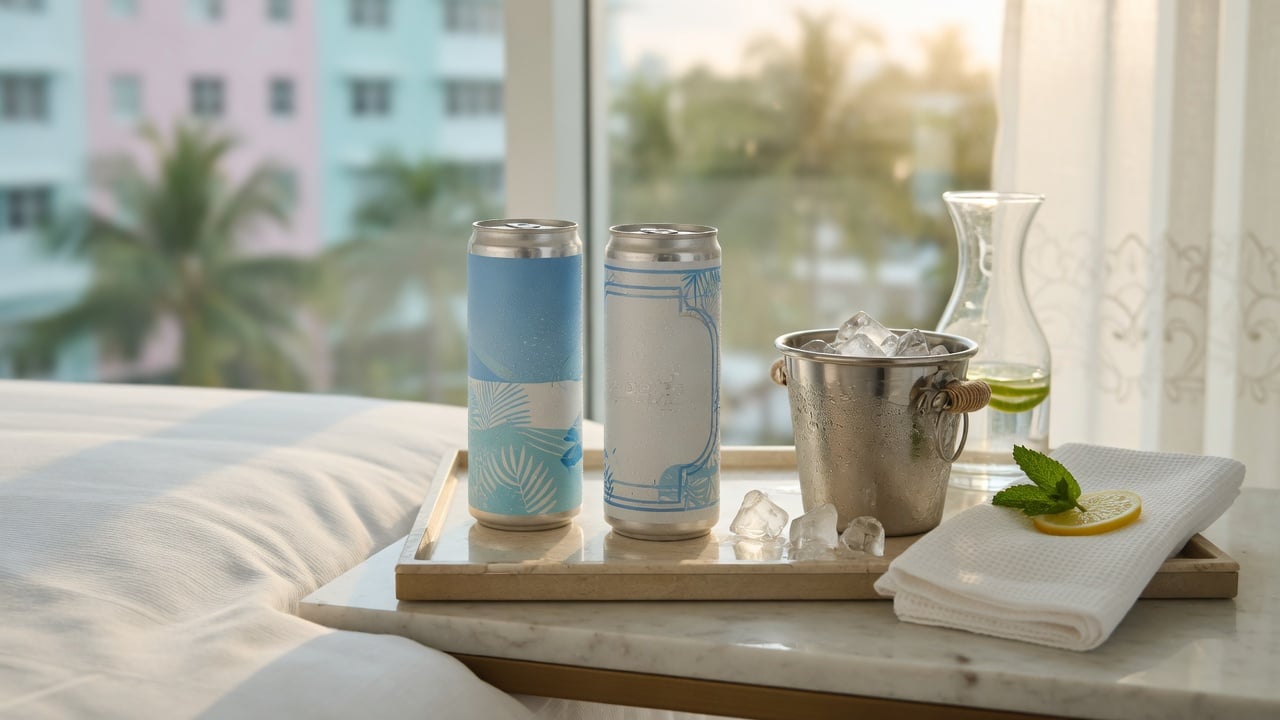
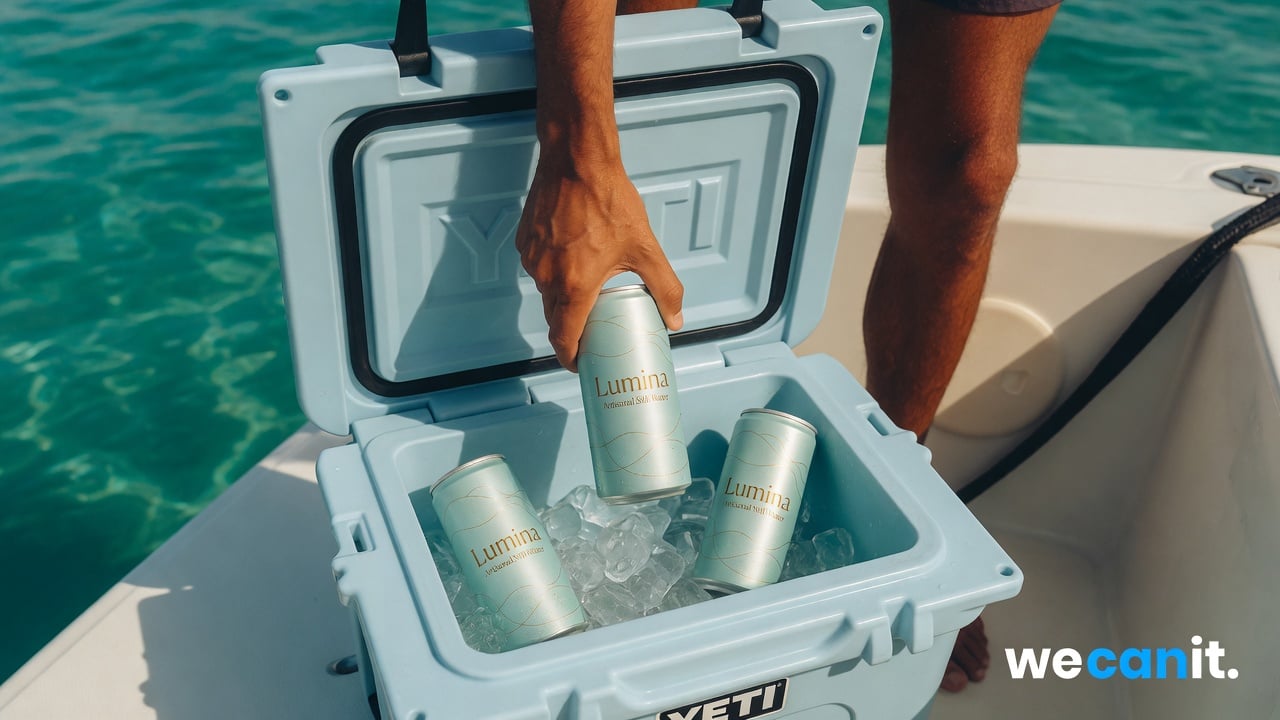
Suites are sold as premium. Generic PET bottles undercut the room the moment a guest picks one up. Full-wrap cans photograph cleanly in suite content, stack densely for load-in, and stay glass-free near track-adjacent service areas. Sponsors notice packaging that looks planned. Guests feel the standard without a speech.
Who buys private label cans for race track hospitality?
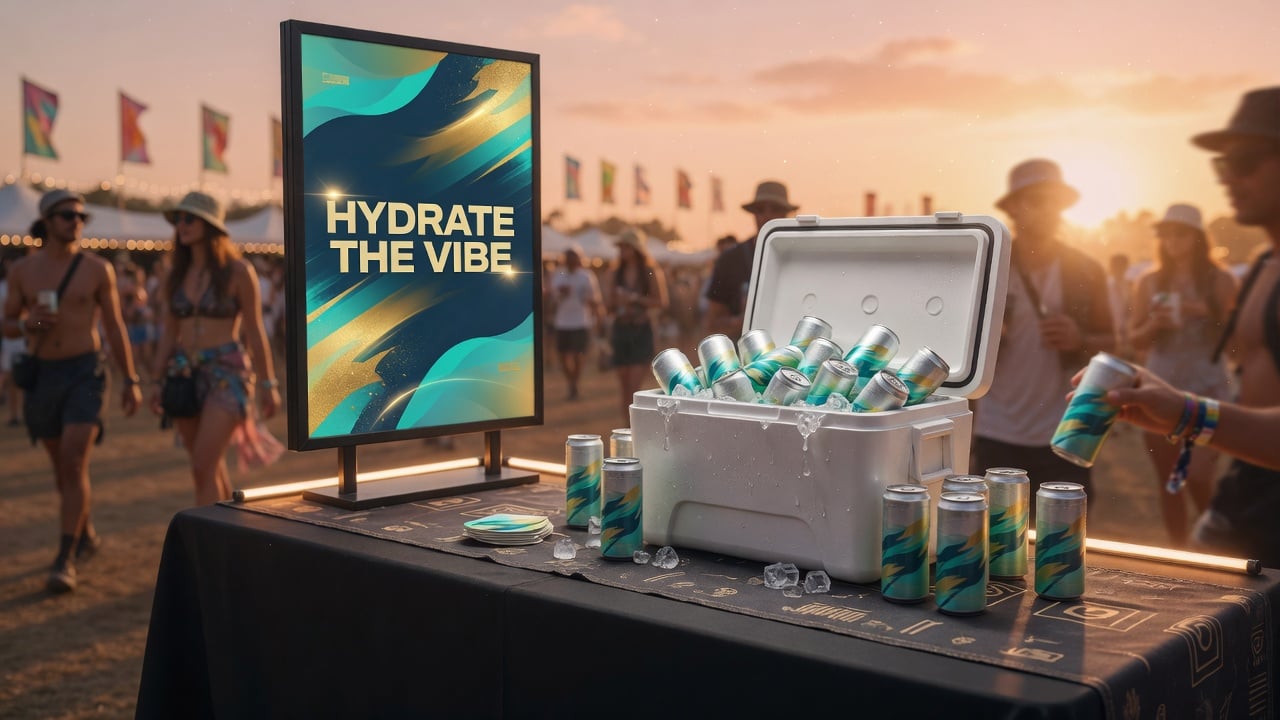
Private circuits and country club track programs, high-performance driving venues and track day hosts, series hospitality partners and suite operators, corporate entertainment teams buying suite packages, and marketing teams building sponsor-ready guest gifts all share the same cooler problem. If your guest list includes drivers, executives, and media in the same weekend, the cooler is a shared brand surface. Treat it like one.
How private label cans work in a suite program
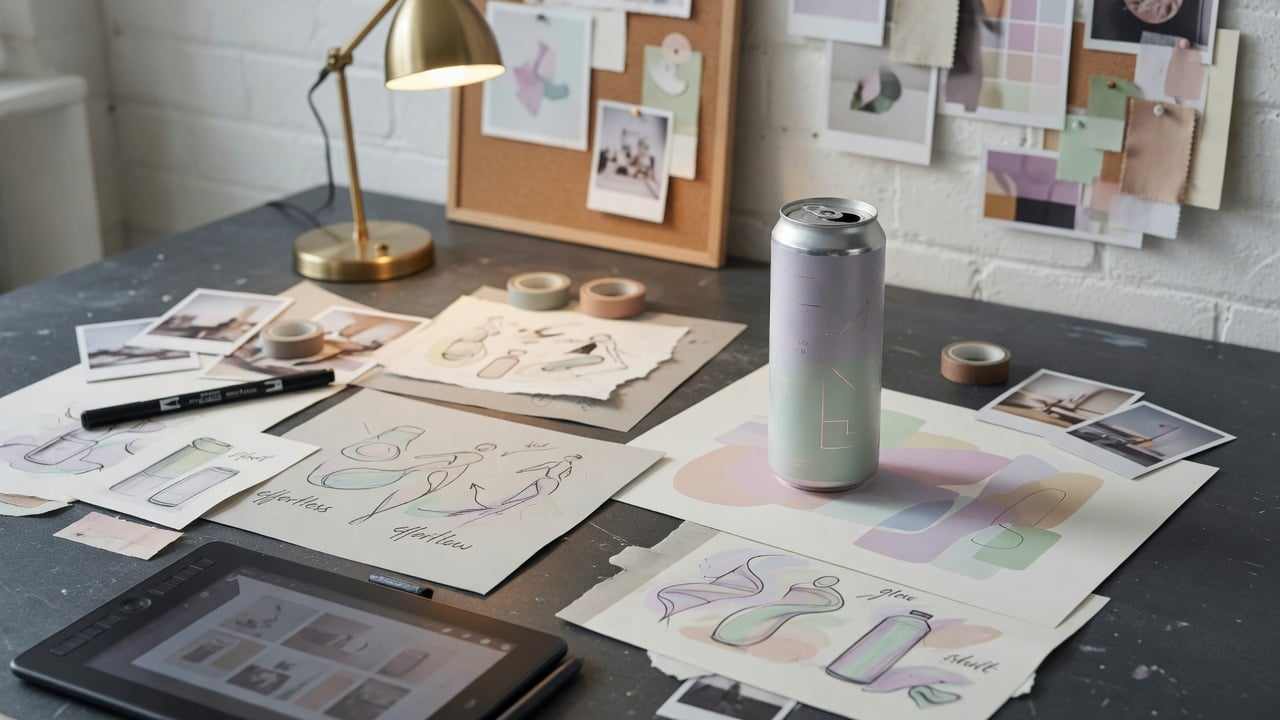
Pick the water base first. Still covers all-day volume. Sparkling lifts VIP arrivals and celebrations. Alkaline fits when wellness is part of the venue story. Pick the size next: 12oz Regular, 12oz Sleek, or 16oz for longer track days. Pick the print path for your volume: label print from 21 cases for pilots, digital print from 100 cases when volume grows. Lock art to can geometry, approve digital proofs, produce in about 2 to 3 weeks from artwork approval, and ship cases of 24 to the dock, warehouse, or suite kitchen.
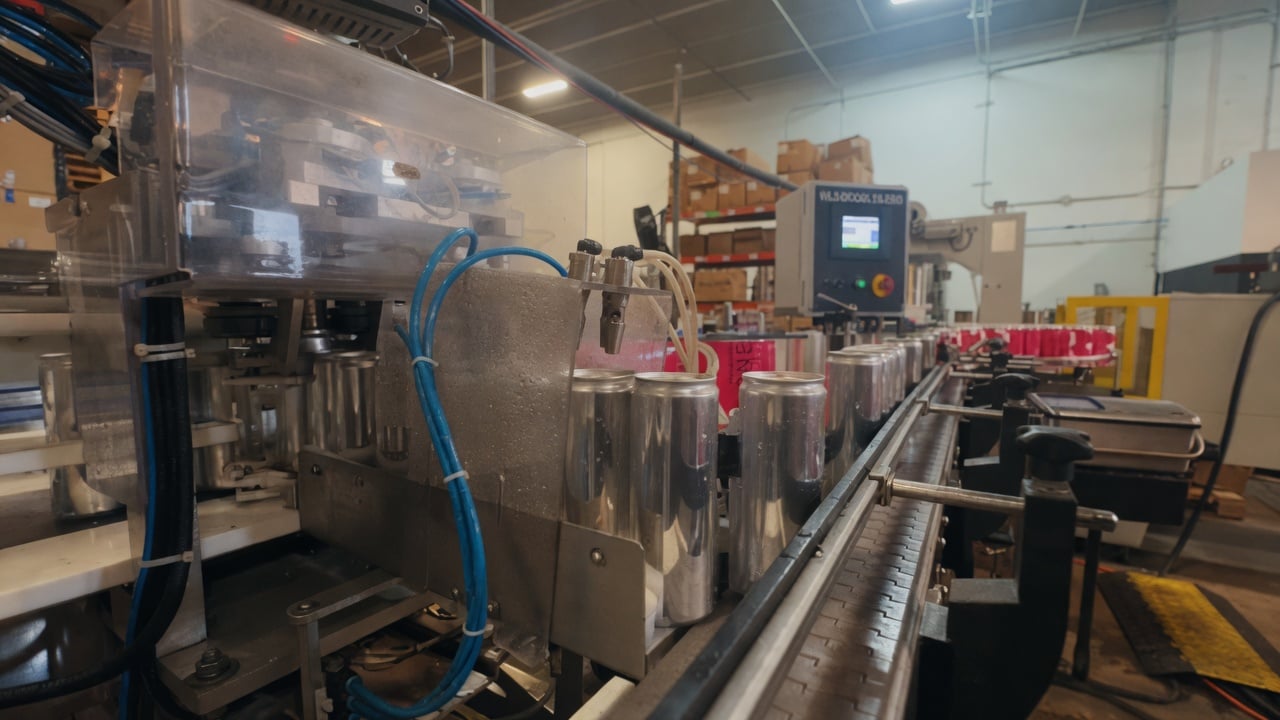
Our manufacturing and packaging process is described for you at Technology · Water, Technology · Labels, and Products. Questions? Get a quote and a product advisor will follow up by email quickly.
Suite stations that actually need water
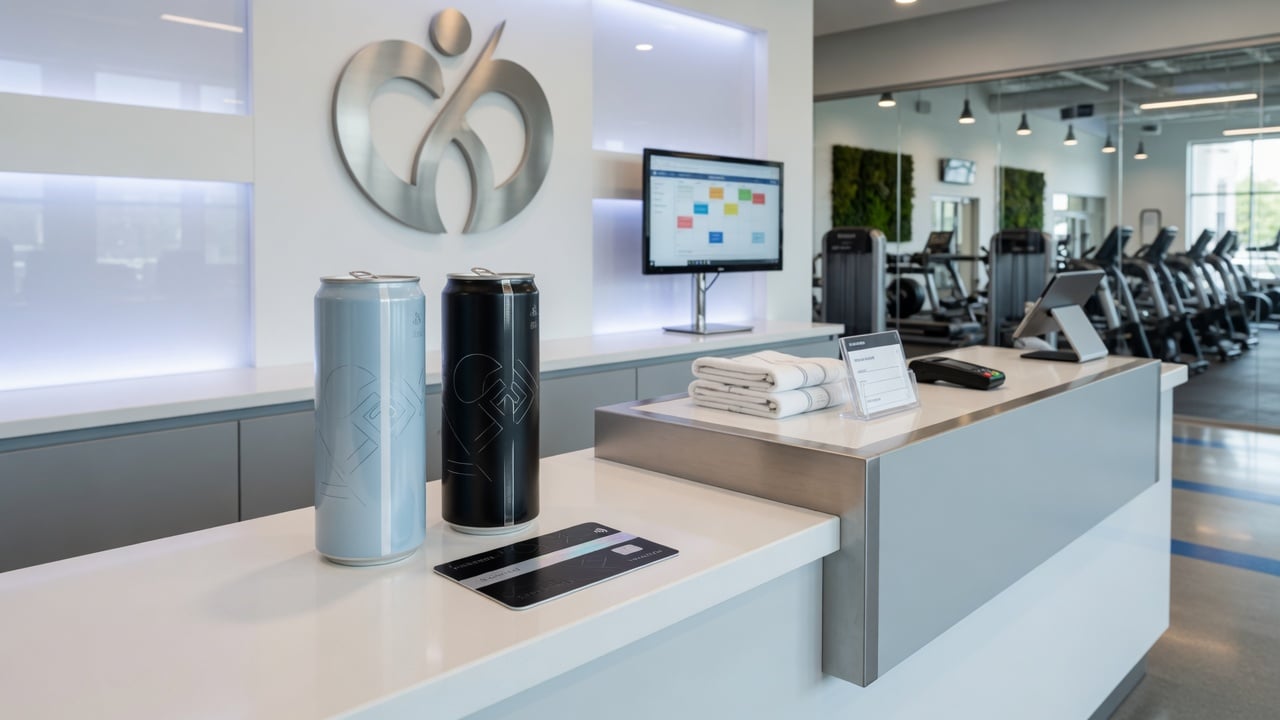
Race weekends fail when water is only planned for the main bar. Map stations before you order cases: arrival and check-in desks for early heat, suite trays and coffee tables during sessions, paddock-facing hospitality for walk-through guests, media rooms and sponsor lounges, and end-of-day coolers for load-out teams and drivers.
Count concurrent guests per station, not only total ticketed seats. A half-full suite with full sun still burns through still water faster than a shaded bar burns sparkling. Station math protects both guest experience and finance.
Still, sparkling, and alkaline on race weekends
- Still: everyday amenity for trays, paddock coolers, and all-day hydration
- Sparkling: F&B lift for VIP arrivals, podium moments, and evening hospitality
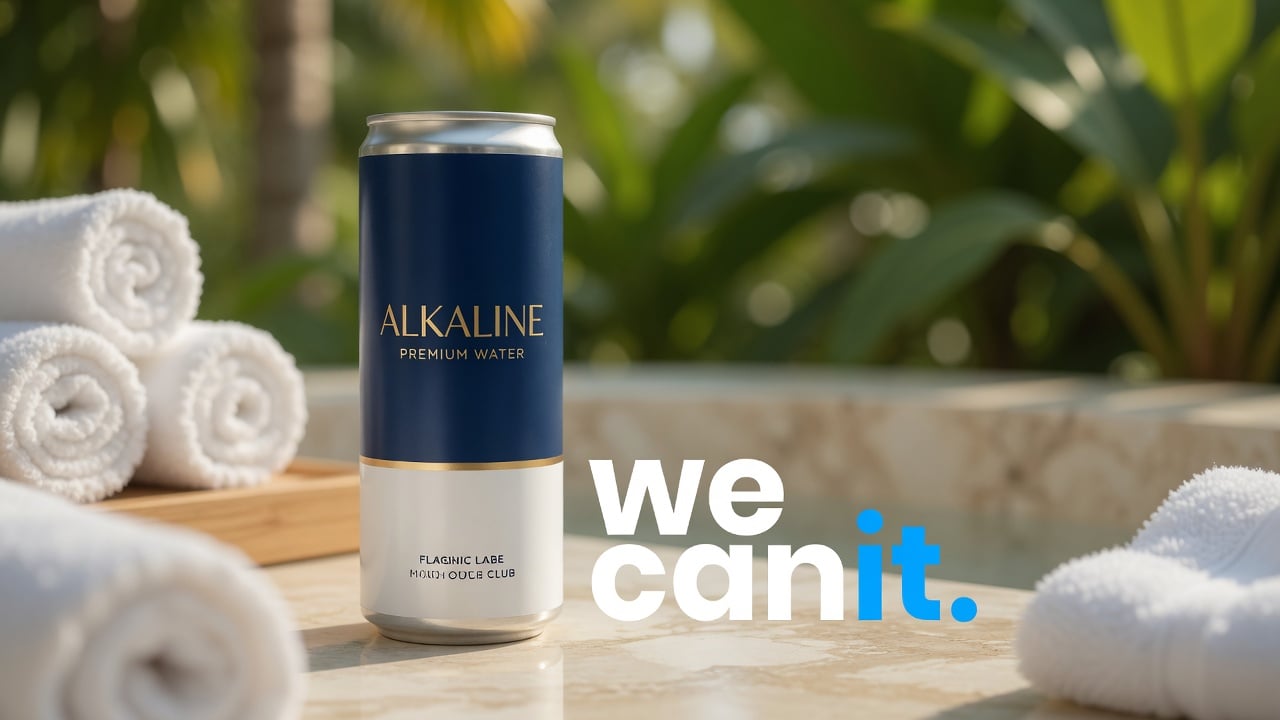
- Alkaline: flagship pour when the venue sells premium wellness or recovery positioning
Most tracks launch still first for volume, then add sparkling under the same brand system for peak hospitality hours. Keep art consistent so photo walls and social content look like one program, not three experiments. Ordering sparkling-only because it "feels premium" is a common way to run out of everyday still by mid-session.
Digital journeys that fit the track without feeling salesy
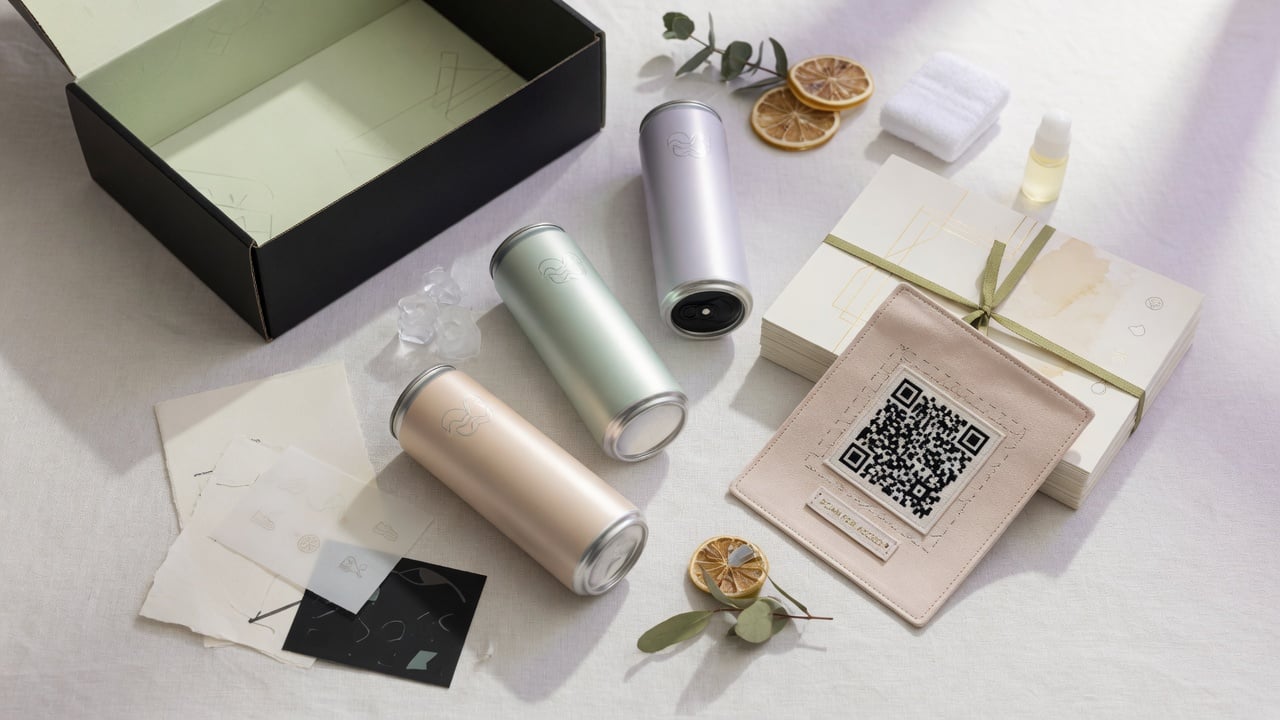
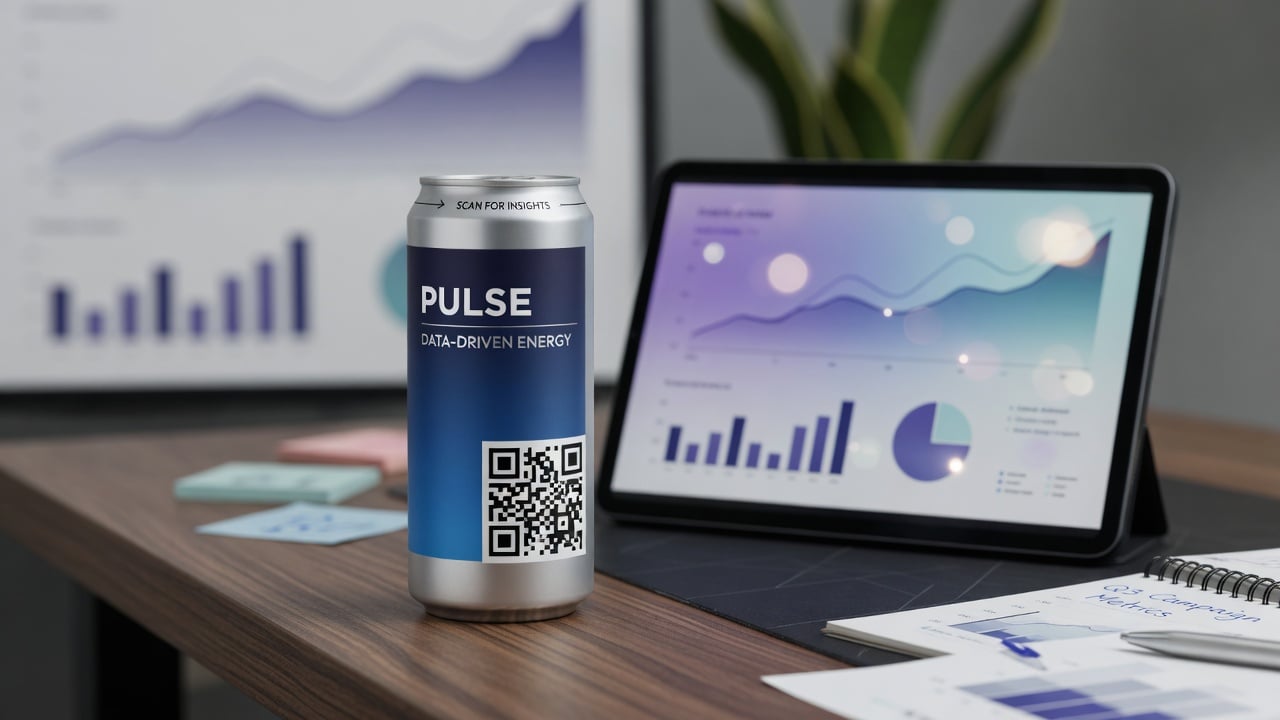
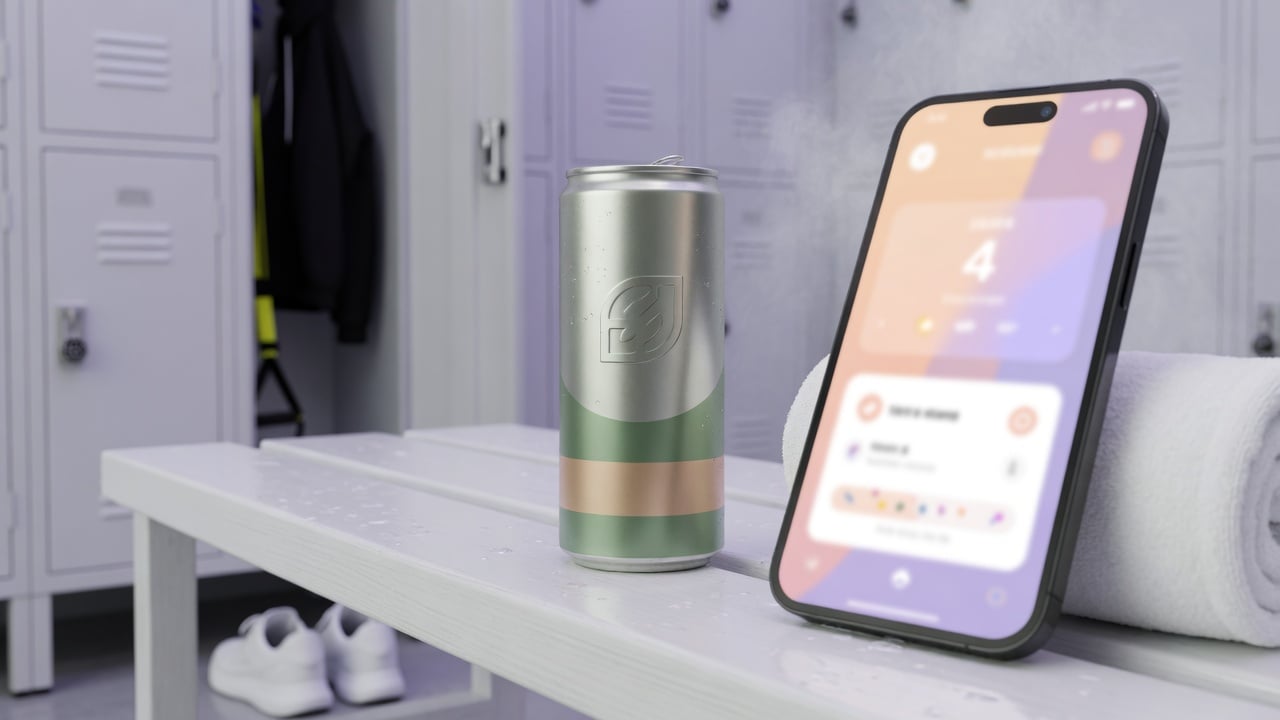
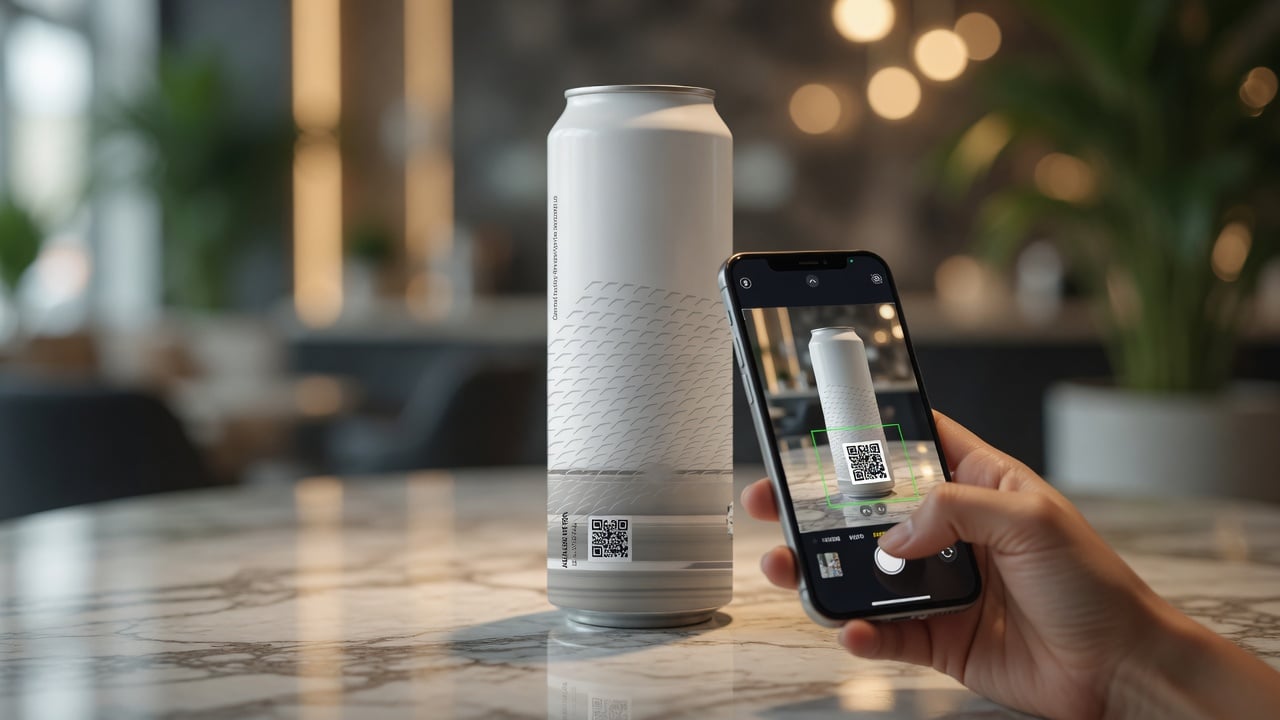
A QR on the can can open a short, honest journey: session schedule or paddock map, membership or track day enrollment, sponsor story pages that already live on your site, or a post-event survey while the weekend is still vivid.
Empty QR destinations damage trust. If the page is not mobile-fast and live before print, leave the code off until the next run. For how digital layers work with physical cans, see Digital experience and our race track solutions page.
What hospitality directors should demand from a private label partner
Before you lock art for a fixed series date, check these points so the cooler is not the weak surface of the weekend.
- Low minimums so one weekend or one suite level can pilot (We Can It starts at 21 cases / 504 cans)
- Lead times defined from artwork approval, not first email (about 2 to 3 weeks is typical)
- Sizes that fit tray service and cooler walls
- Print paths for pilots and larger season programs
- A clear quote path through a calculator or line-item quote, not a black-box call loop
- Multi-SKU support if sparkling joins still later under one wrap system
If you have only seen "logo on a stock bottle" promo sites, that is a different world. Private label means your brand system, your sizes, and a partner who can grow with you across the season.
Production path race teams can reverse-plan
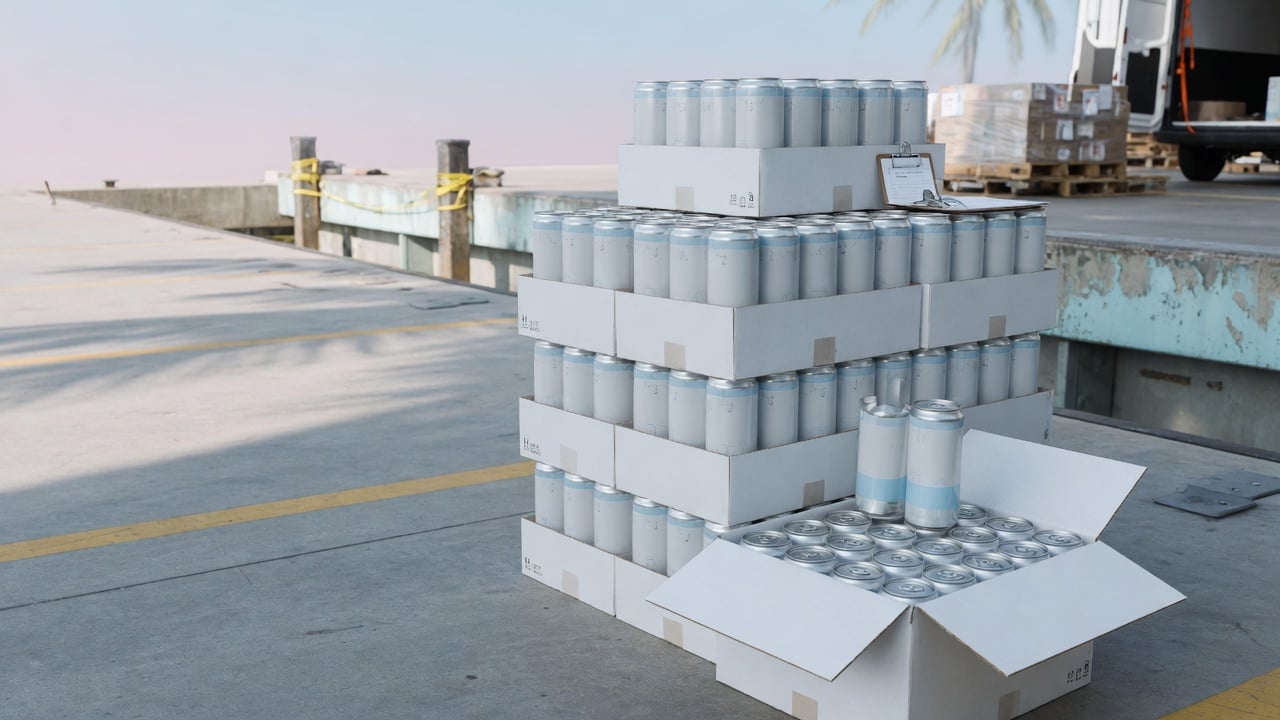
Lock brand art for can geometry, with sponsor marks only if rights allow. Approve digital proofs with marketing and hospitality owners on the same thread. Print on the path that matches case count. Fill the water type you chose. Ship cases of 24 to the receiving window on the calendar, not to a vague "someday" dock.
Artwork lock starts the clock. Soft art is the most common reason a race weekend misses the cooler. If the series date is fixed, reverse-plan freight and receiving before you argue about the last logo placement.
Pricing without fake list rates
Unit cost moves with case count, can size, print path, and water type. Sparkling can carry a small per-can premium. We do not invent shelf prices here. Run the instant quote calculator with real inputs: cases, size, print method, and whether still and sparkling share the brand. Bring those numbers to finance so the pilot reads as a controlled experiment, not a mystery PO.
Useful suite quote inputs include case count by water type (start at 21 total if you are piloting), can size for tray vs paddock service, print method, ship date target tied to race weekend receiving, and a storage plan for leftover cases between events.
Ops for race weekend load-in
Forecast by station hours and concurrent guests. Add VIP suite buffer and media room buffer. Lock art before the production clock starts. Plan freight to load-in, not to a vague week. Brief suite staff with one sentence about the brand can. Reorder from actuals after the weekend, not from first-year guesses. Name owners for marketing, ops, finance, and receiving.
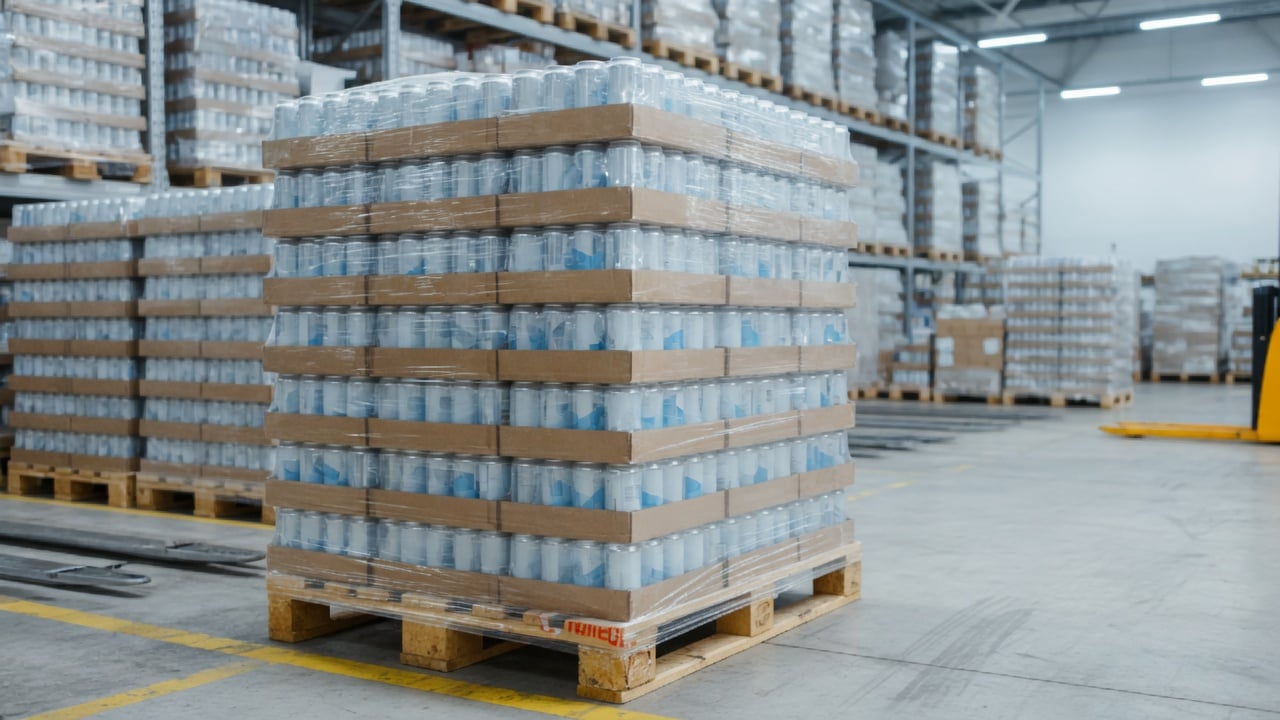
Cans in cases of 24 are predictable to count, stack, and stage. That matters when the dock is crowded and the session start is not negotiable.
How teams brief agencies and freelancers
When an agency owns creative and hospitality owns the cooler, misalignment is expensive. Use one shared brief with five fields only: guest moment (suite tray, paddock cooler, media room, arrival desk), primary promise in one sentence, water type mix and why, must-have legal or sponsor constraints, and success metric for the first reorder decision.
Everything else is decoration. Briefs that try to solve twelve goals produce packaging that solves none.
Common mistakes race hospitality teams make
Ordering only sparkling because it "feels premium," then running out of everyday still. Locking a race date before art is approved. Putting sponsor logos without rights clearance. Shipping to a closed dock on a non-receiving day. Skipping digital proofs and discovering a soft wrap on race morning. Leaving QR codes pointed at broken pages. Guessing season volume instead of reordering after real consumption.
Fix ownership and timing first. Taste is rarely the failure mode.
Buyer checklist for race track private label water
- Confirm minimum order supports a single-weekend pilot.
- Confirm lead time from artwork approval, not first inquiry.
- Confirm sizes for tray and cooler service.
- Confirm multi-SKU support if sparkling will join later.
- Confirm QR destinations are live before print.
- Confirm freight to the race weekend receiving window.
- Plan reorder after the first real consumption weekend.
- Keep one brand system across suites and paddock coolers.
What the two weeks before art lock look like
Day 1 to 2: Align brief, station map, and budget band with marketing and hospitality. Day 3 to 4: Design and stakeholder review, including sponsor rights if marks appear. Day 5: Proof approval and quote lock. Artwork lock starts the production clock. Then production: Typical window is about 2 to 3 weeks from approval. Pad for freight to receiving day. After delivery: Stock suites, train staff, measure, reorder.
If your race date cannot fit that window, change the scope or the date. Do not pretend the factory can absorb a late art file without tradeoffs.
Expanding from pilot weekend to season program
A season program is just a pilot that earned a standing reorder. Keep the art stable. Adjust case counts by race calendar heat and suite occupancy. Add sparkling or alkaline only when the base still SKU is trusted. Too many teams invent a new wrap every event and never build recognition across sponsor reports.
Pair this post with Products when you compare sizes and water types, and with custom water cans in Florida when Miami production timing matters to your calendar.
What good looks like after 90 days
Ninety days in, you should see a reorder placed without redesign panic, suite staff who can explain the can in one sentence, photos in sales decks and sponsor reports that look intentional, and finance that understands the pilot-to-program path. Guests notice the venue brand, not a generic bottle. That is the bar. Everything in this guide exists to help you clear it with less drama between race weekends.
FAQ
What is the minimum order for branded water at race tracks with We Can It?
21 cases, which is 504 cans at 24 per case. That is built for a pilot weekend or a suite-level test.
How long does production take before a race weekend?
About 2 to 3 weeks from artwork approval is typical, plus freight. Reverse-plan from receiving day, not from first inquiry.
Can we run still and sparkling under one race track brand?
Yes. Still for all-day volume, sparkling for VIP peaks, same art system.
Are aluminum cans better than bottles in hospitality suites?
For many suite programs, yes: full-wrap photos, cooler density, and glass-free service. Score the use case honestly if pure imprint samples are the only brief.
Where should race tracks put QR codes on cans?
Only where the journey is live: schedules, membership, sponsor stories, or short surveys. Measure scans after the pilot weekend.
Get a quote for branded water for race tracks private label
Ready to make suite water look like your circuit brand?