Best Multi-SKU Approach: Alkaline and Sparkling Cans Under One Brand
One brand. Three pours. Still, sparkling, and alkaline work together when art and reorder rules share one spine instead of three unrelated cans.
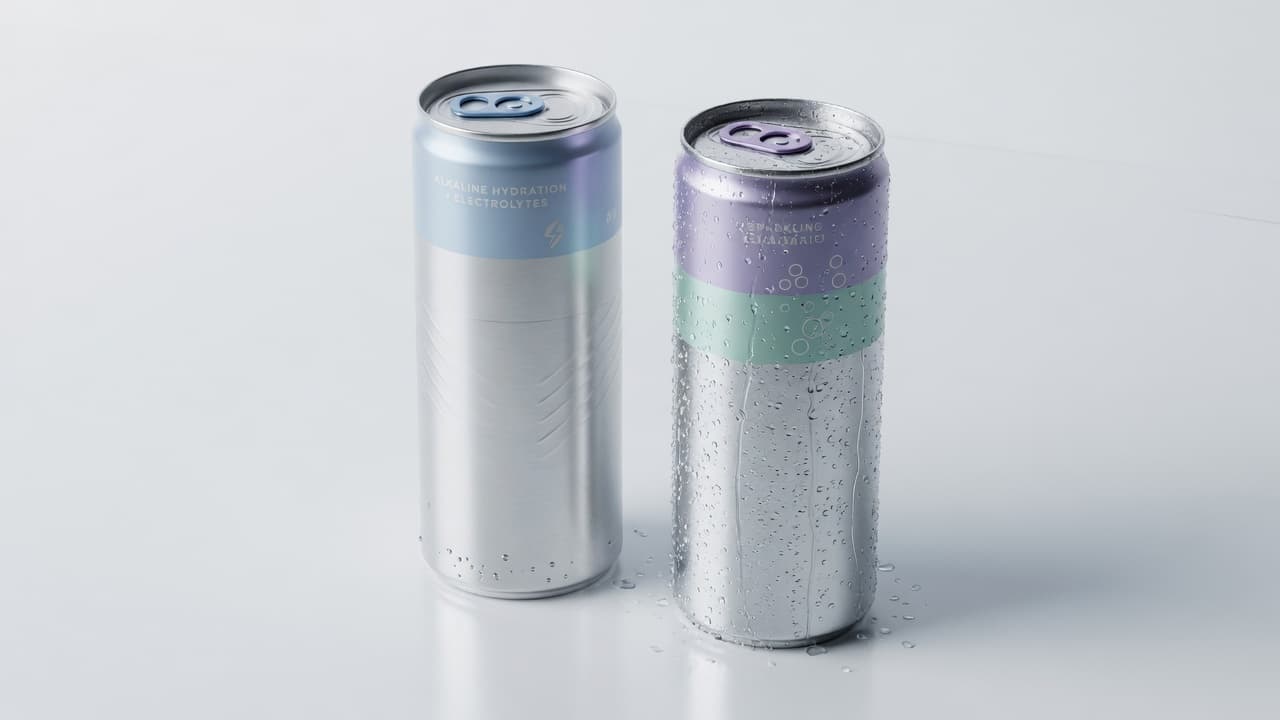
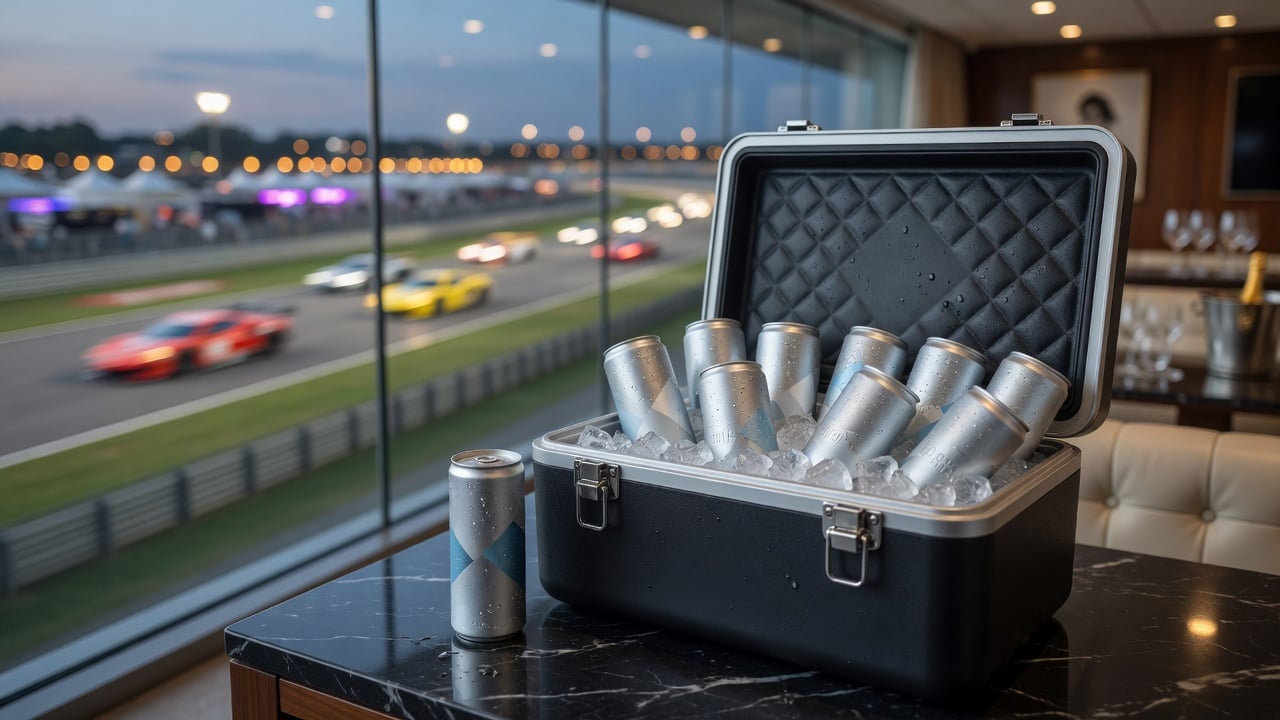
One brand. Three pours. That is the multi-SKU idea many marketing directors want and many ops teams fear. Still covers everyday volume. Sparkling lifts bars and launches. Alkaline signals a premium wellness tier. Done poorly, you get three unrelated cans and a storage headache. Done well, you get one brand system guests recognize in any cooler, whether they are on a cart path, a dock, a suite tray, or a studio floor.
Custom alkaline sparkling water cans (with still as the volume foundation) work when art, messaging, and reorder rules share one spine. This guide is for brand managers, F&B directors, and COOs who want multi-SKU without chaos, and without funding three separate redesign projects that never talk to each other.
What does a multi-SKU private label water system mean?
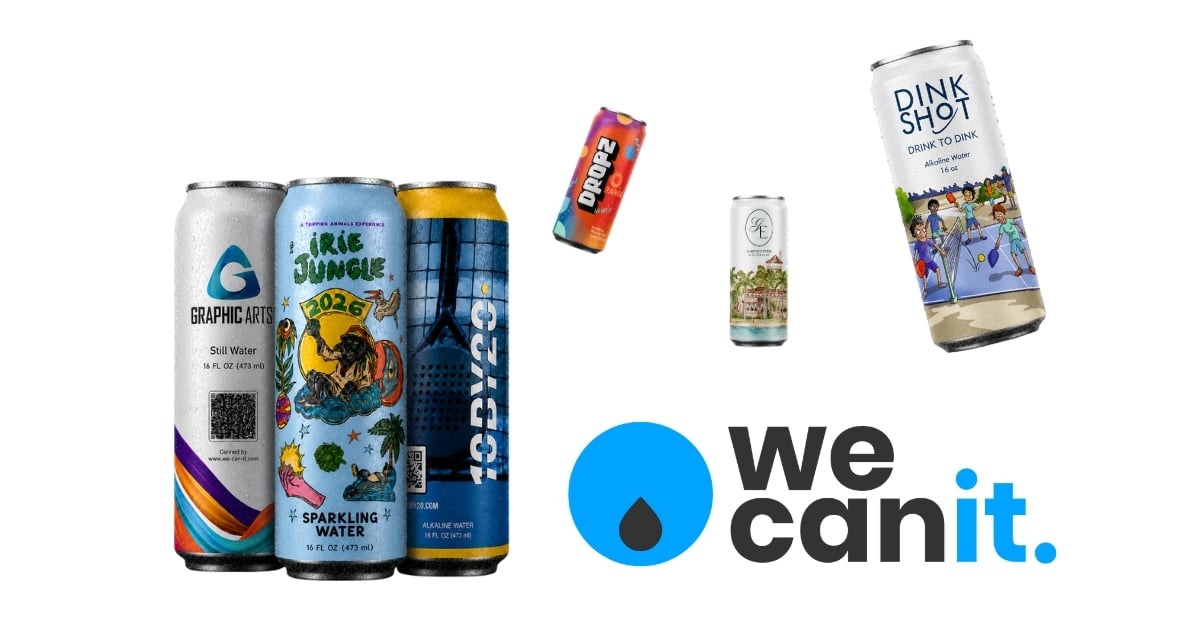
A multi-SKU private label water system means more than one water type (or size) shares your brand identity on aluminum cans while remaining distinct products for ordering, stocking, and service. At We Can It, core water types you can manufacture under that system are still, sparkling, and alkaline.
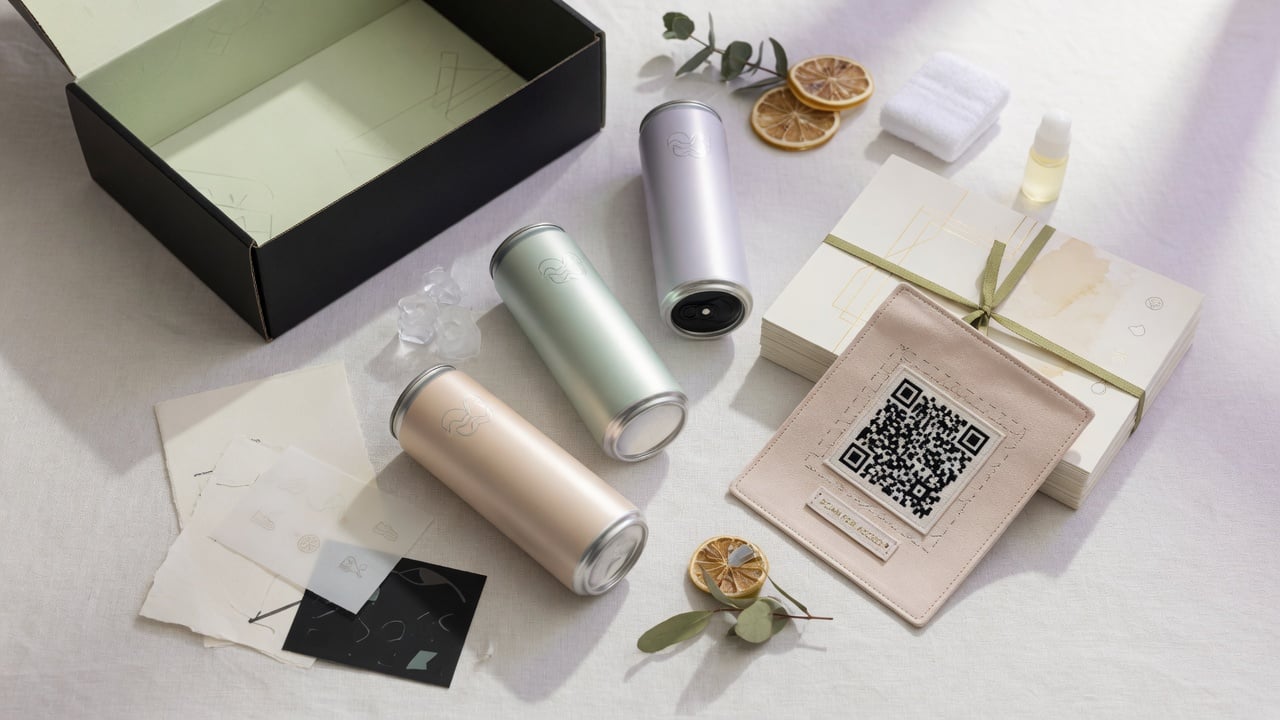
You keep one crest, one color logic, and one proof process. You change the pour cues so guests and staff can tell the cans apart at a glance. Fully separate designs multiply creative rounds, proof risk, and reorder confusion. A brand system keeps the expensive decisions shared: logo placement, legal line, typography, and photography rules. Only the water-type cues and SKU codes change.
When should you add sparkling and alkaline?
Start with still if you need volume first
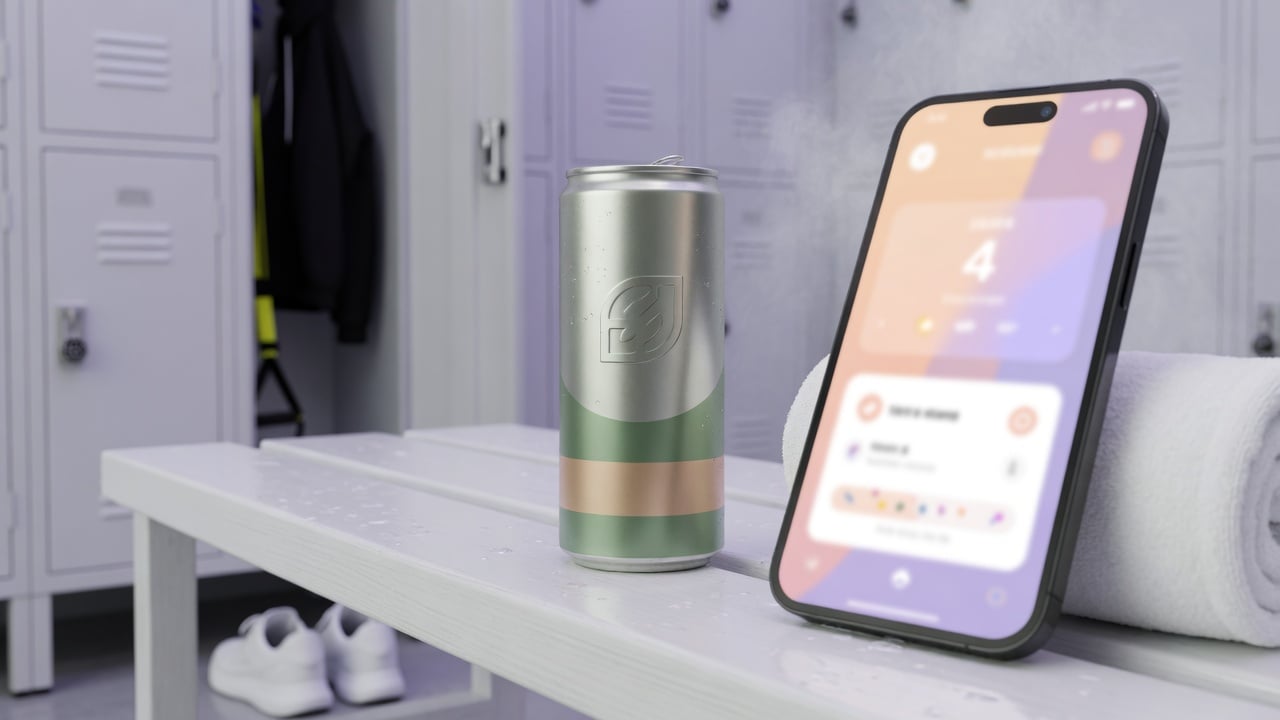
Still is the everyday pour for suites, carts, studios, dock coolers, and meeting floors. Most programs launch still first so the brand wrap is proven before you expand the cooler. If still is not trusted yet, a second SKU only multiplies the unknown.
Add sparkling when the moment is social
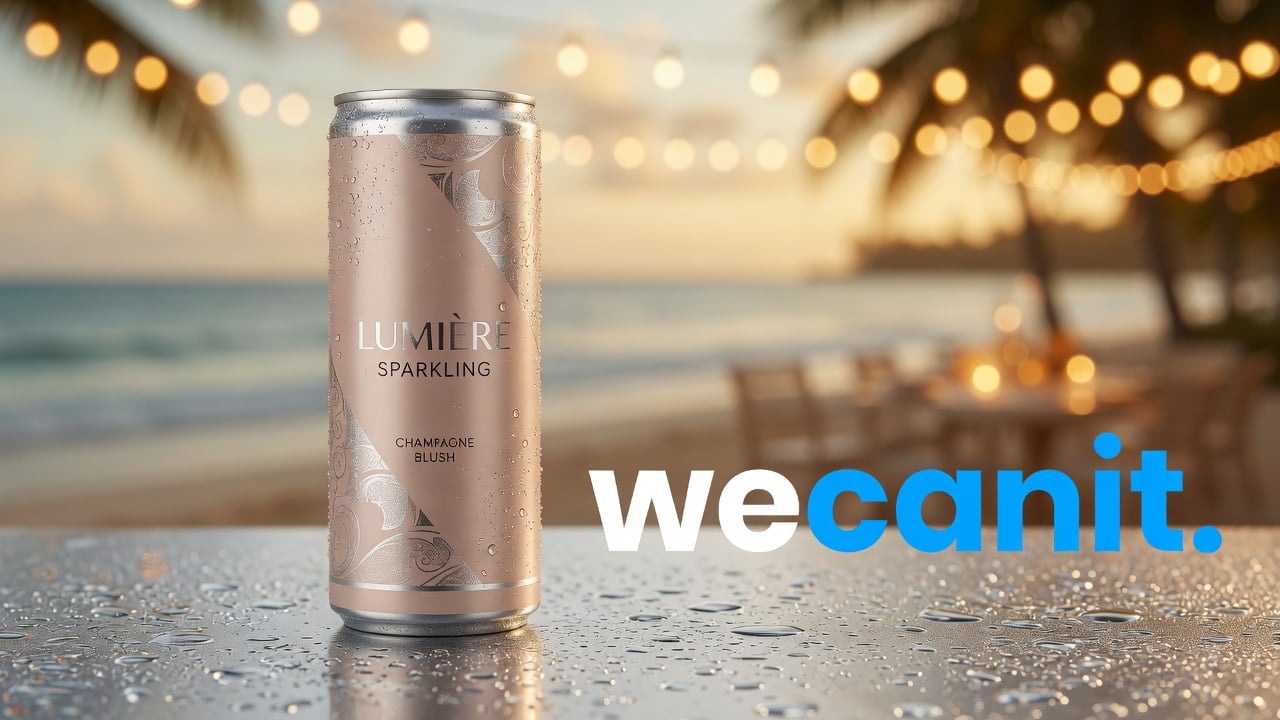
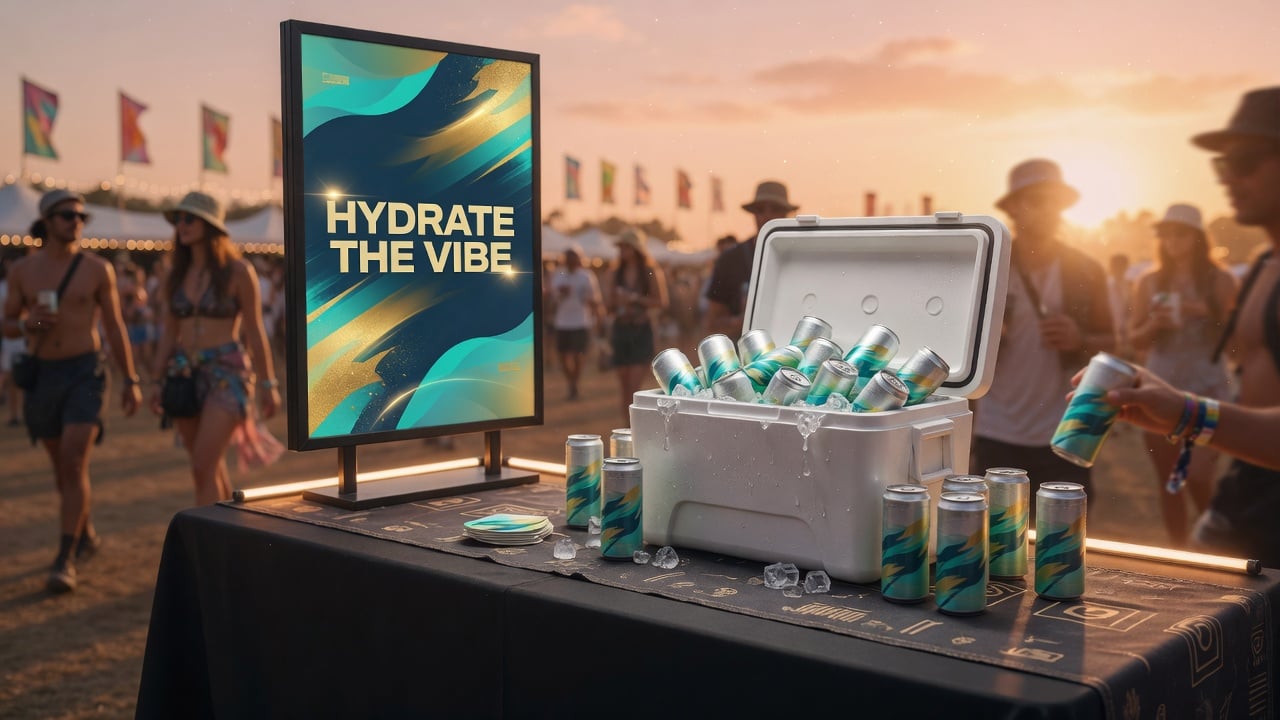
Sparkling lifts bar trays, VIP arrivals, launch nights, and celebration service. It is not always the volume hero. It is the photo hero. Place it where the moment is social, not in every high-frequency cooler just because it feels premium.
Add alkaline when premium wellness is part of the promise
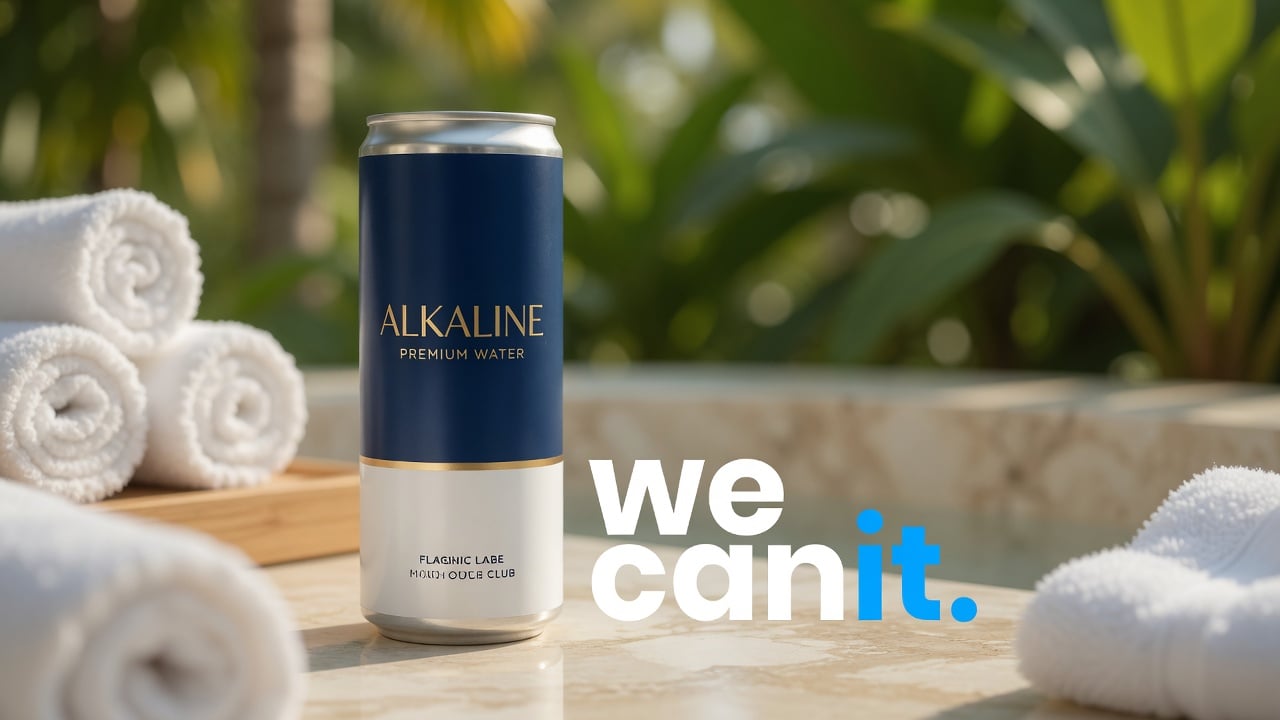
Alkaline works when your brand already sells recovery, spa, or premium wellness language. Do not invent a health claim you cannot support. Let packaging signal the tier. Let your marketing team own the words carefully.
Manufacturer pages for each pour:
How to design one brand system across three pours
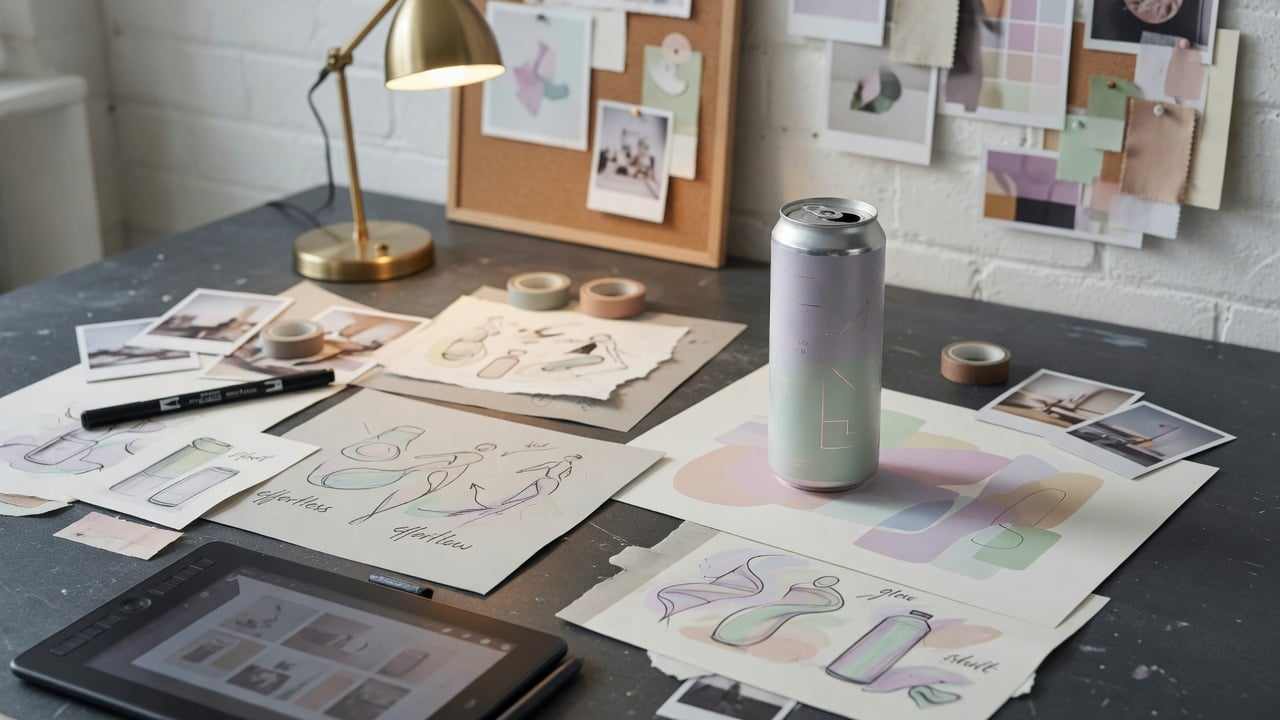
Lock the shared brand spine once so you are not renegotiating the whole can every time you add a pour. Logo clear space and placement on can geometry, primary and secondary colors, typography hierarchy, legal and contact line, and photography rules for campaign assets should stay stable.
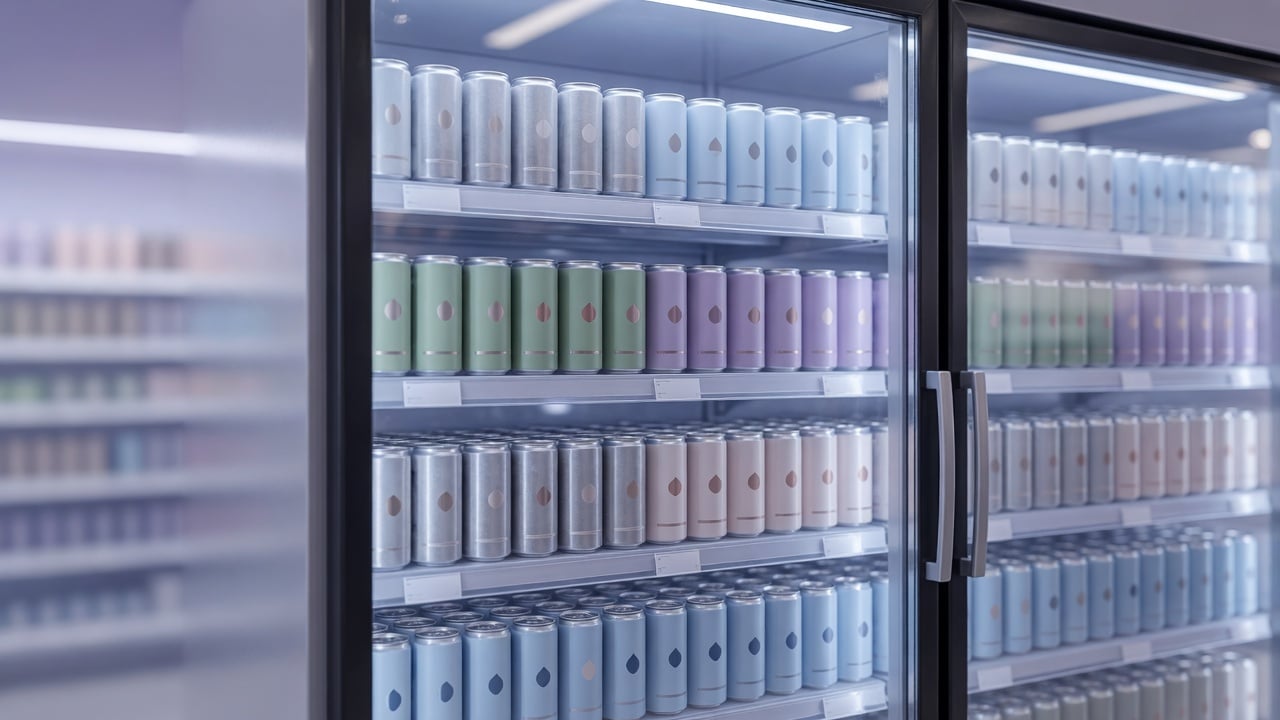
Then use simple, consistent differentiators for each pour: a type badge (Still / Sparkling / Alkaline), an accent color band that does not fight the brand palette, a short line of benefit language that stays honest, and a SKU code on the case and can for ops. Staff should identify the pour in under two seconds without reading a paragraph.
Do / Do not for multi-SKU art
Do:
- Keep the crest and wordmark identical across SKUs
- Use one proof template and change only type-specific layers
- Test cooler adjacency so cans do not blur together
Do not:
- Redesign the whole can for each water type
- Rely on tiny text as the only differentiator
- Mix unrelated photography styles that look like three brands
Production and MOQ facts that shape multi-SKU plans
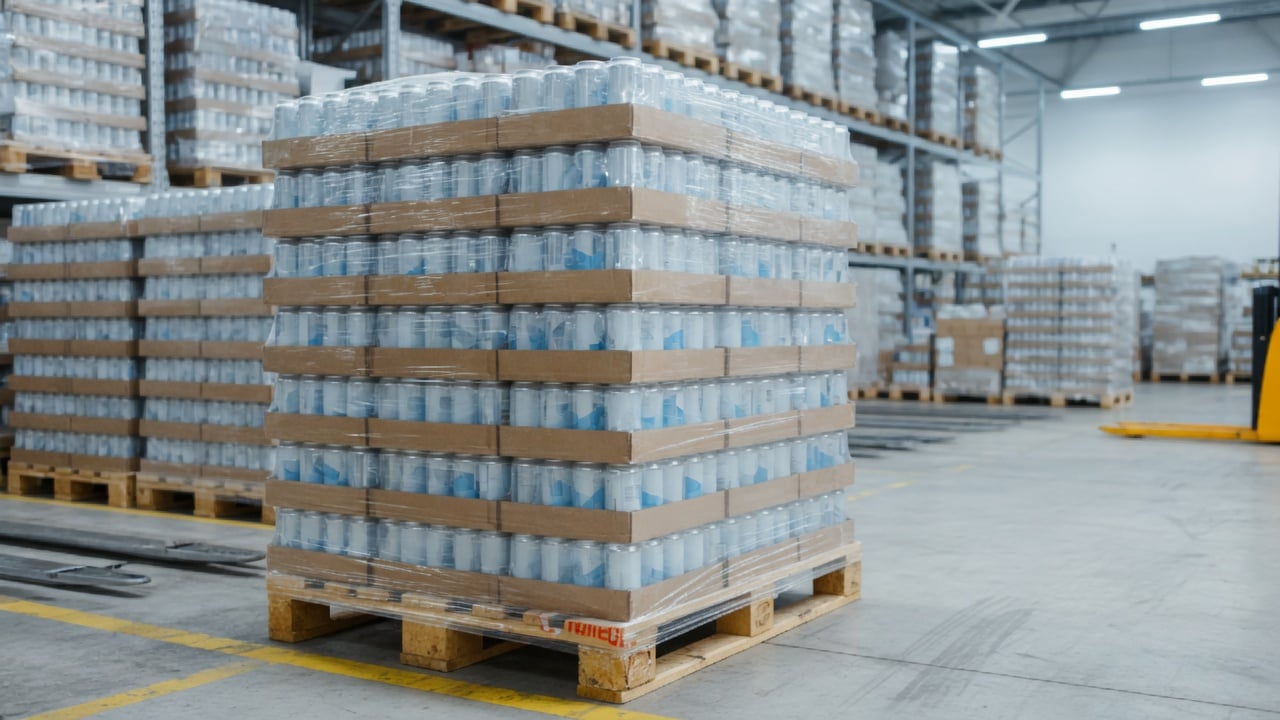
We Can It starts at 21 cases (504 cans) per order path for label print pilots. Digital print starts at 100 cases. Typical production is about 2 to 3 weeks from artwork approval. Sizes include 12oz Regular, 12oz Sleek, and 16oz.
Each design is its own SKU for inventory and reorders. Pilots can still start small before you fund three full coolers. Batch multi-SKU artwork reviews when possible so proofs stay aligned. Sparkling can carry a small per-can premium in pricing models.
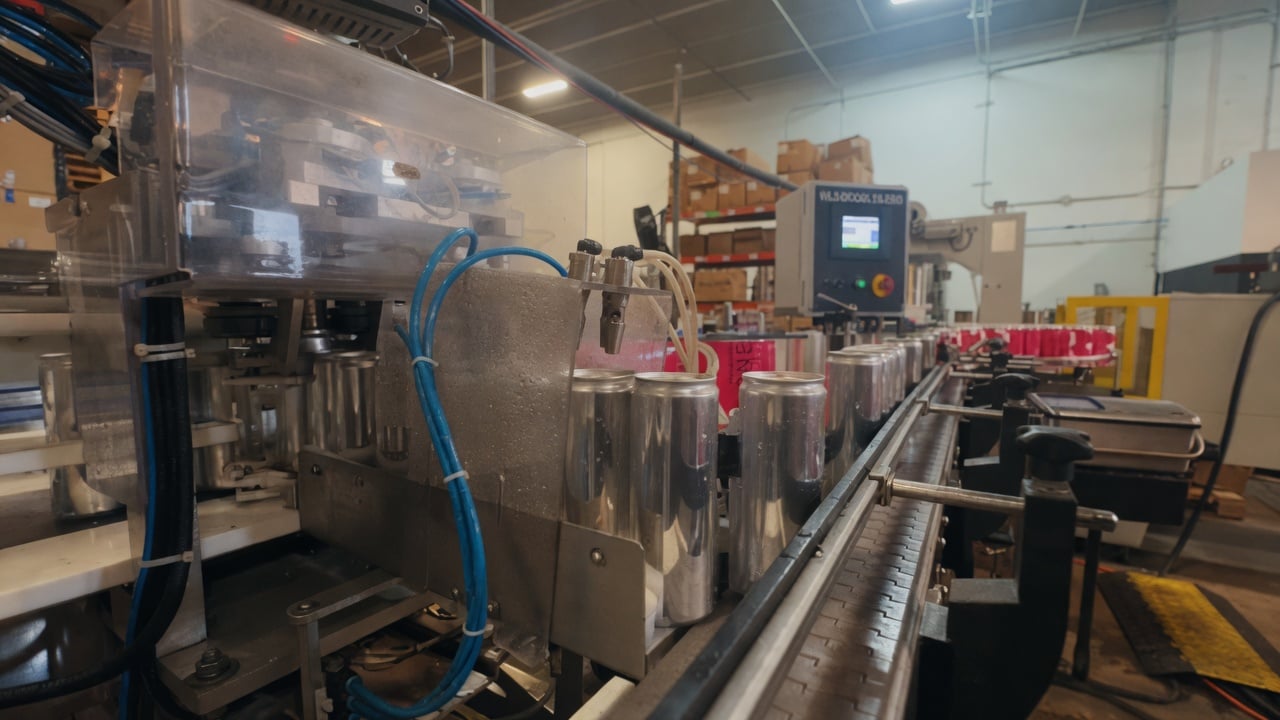
Our manufacturing and packaging process is described for you here: Technology · Water, Labels and digital print, and Products. Questions? Get a quote and a product advisor will email you quickly.
Who benefits from custom alkaline and sparkling cans under one brand?
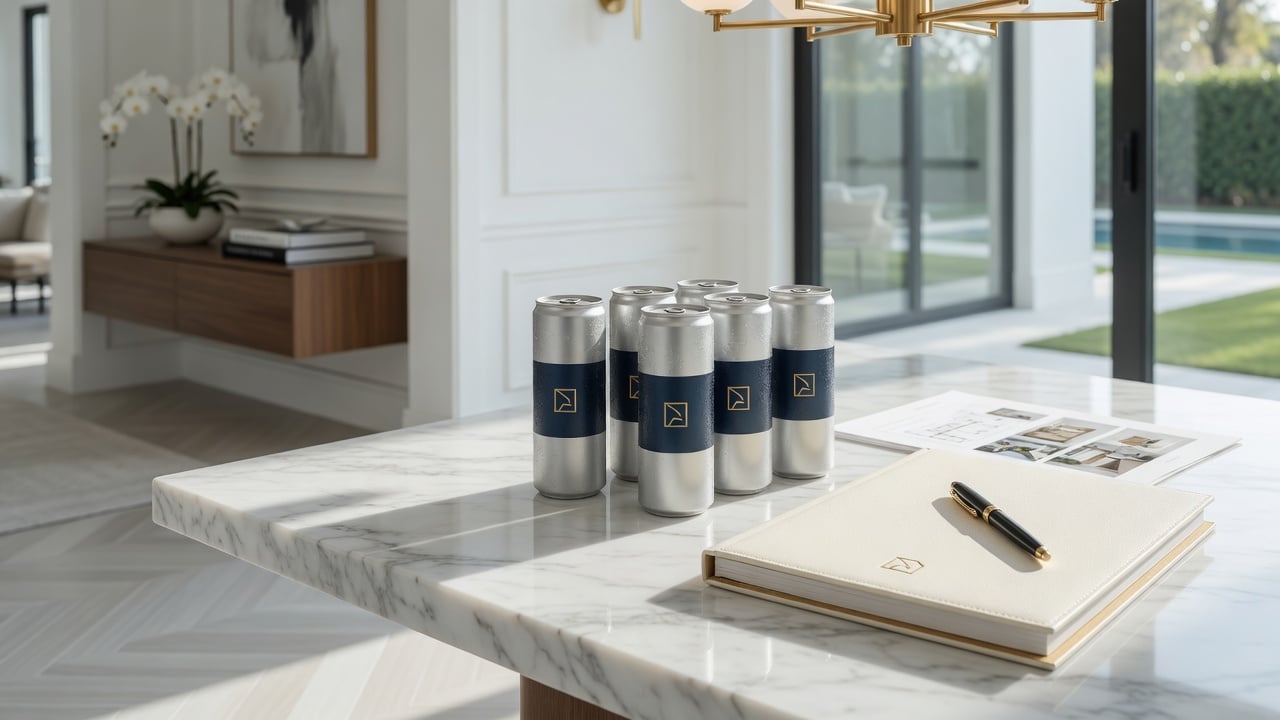
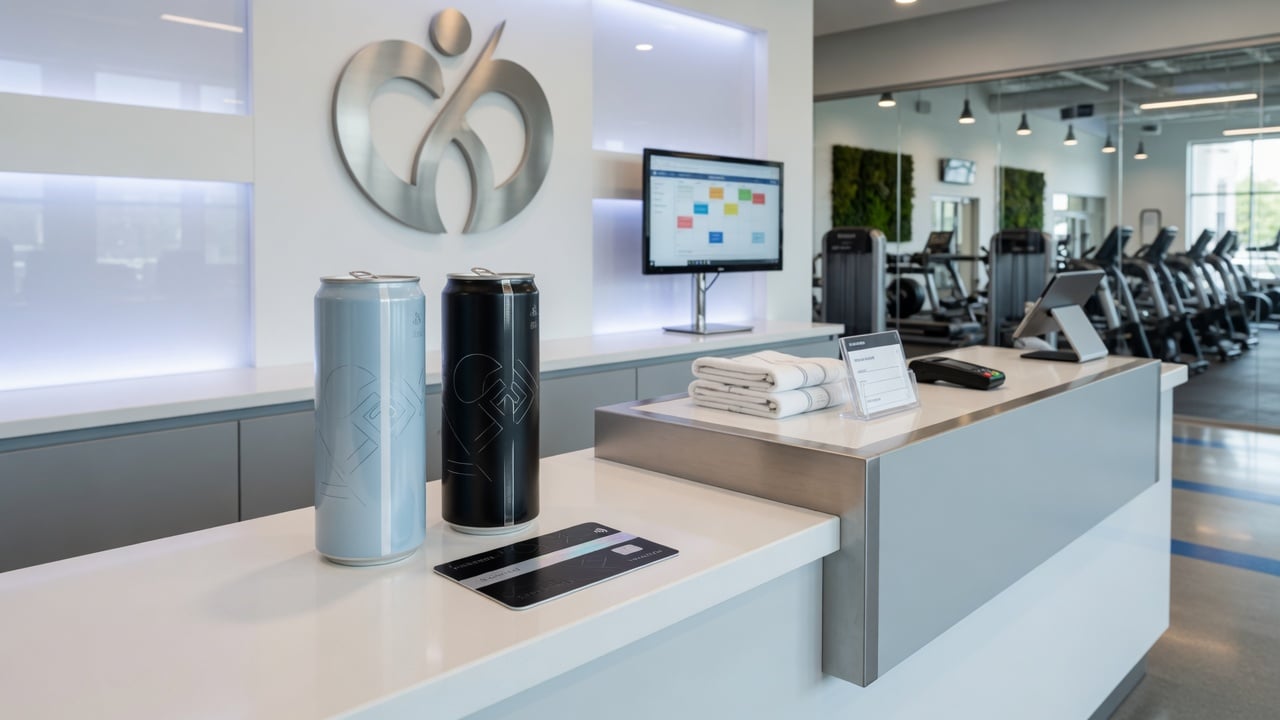
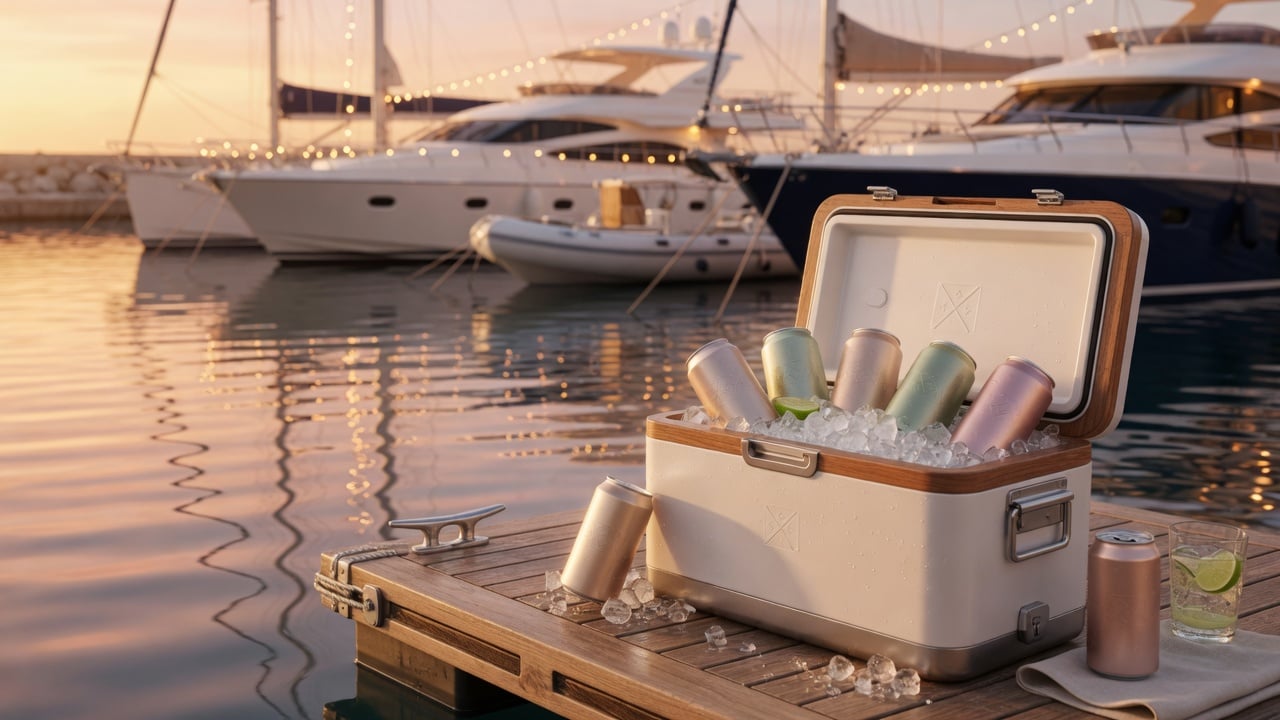
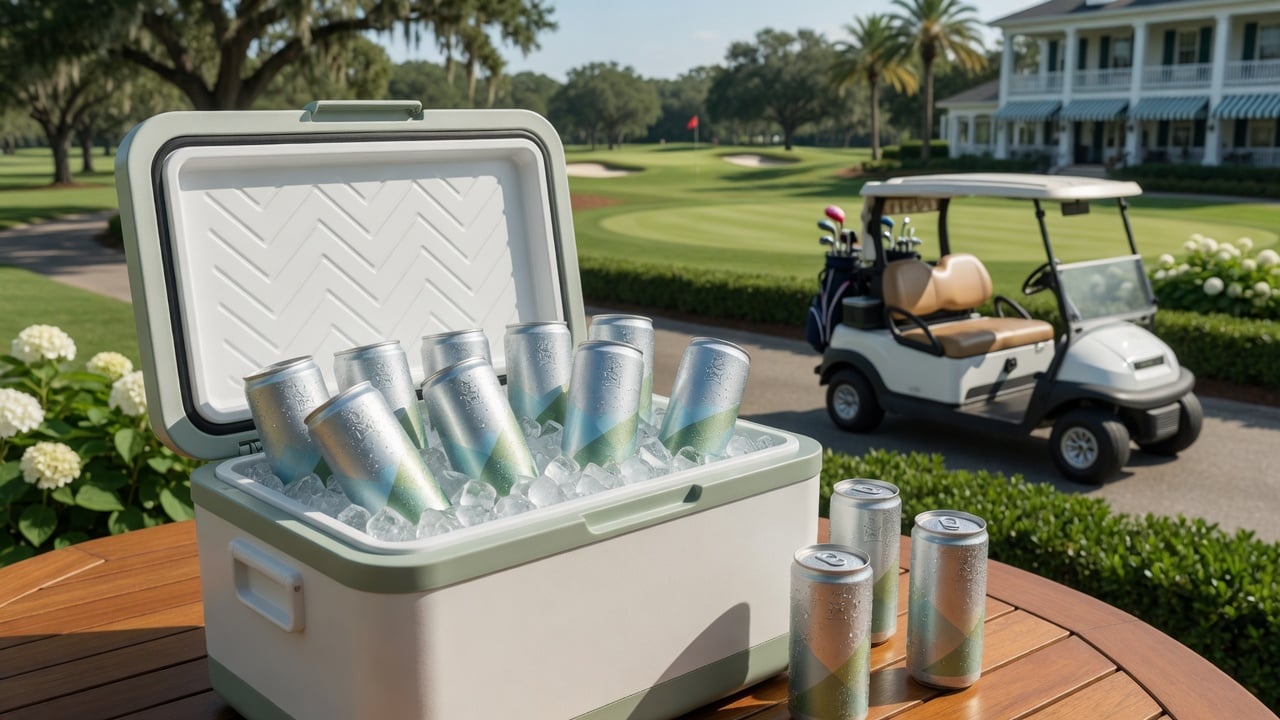
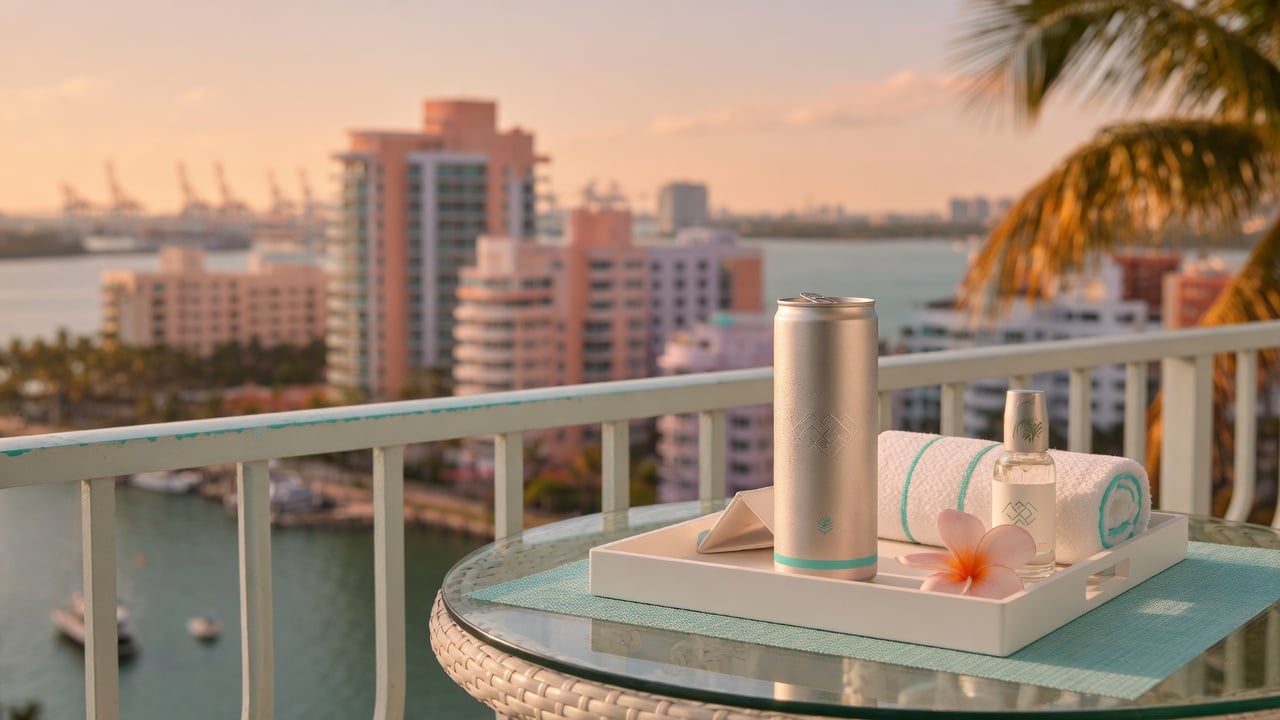
Boutique hotels balancing suite still with bar sparkling, golf clubs with cart volume and patio peaks, marinas with dock bar social moments, fitness clubs with everyday still and recovery alkaline, event brands that want a launch sparkling SKU without a new logo system, and retail coolers that need a clean brand block across types all share the same need: one system, multiple service moments.
If you only need one pour for the next 90 days, start there. Multi-SKU is a growth path, not a day-one requirement.
Ops playbook: stocking multi-SKU without confusion
Do not force every pour into every cooler. Clutter kills both brand clarity and inventory accuracy.
Map stations by pour. Still stations own high-frequency coolers such as carts, studios, and meeting floors. Sparkling stations own bars, VIP, and launch tables. Alkaline stations own spa, recovery, and premium amenity trays. Then label shelves by SKU code, not only by brand name. Keep first-in first-out simple with case dates. Train staff that "the blue one" is not a SKU name. Reorder still first when volume is the constraint.
Give one sentence per pour and stop there:
- "Still is everyday."
- "Sparkling is for the bar and celebrations."
- "Alkaline is our premium recovery pour."
Guests did not book a beverage seminar. They booked a stay, a round, a class, or a charter. The cooler should feel inevitable.
How to phase a multi-SKU launch
Phase 1: Still only
Prove art, cooler density, staff scripts, and reorder rhythm. Capture comments and photo quality. Until those are solid, a second pour only multiplies noise.
Phase 2: Add sparkling
Introduce on social stations only. Measure whether the second SKU creates tickets or confusion. If staff cannot tell cans apart at a glance, fix the cues before you scale cases.
Phase 3: Add alkaline (if the brand promise supports it)
Place only where premium language already exists. Keep claims careful and packaging clear. This phasing protects cash and keeps learning cheap.
Common multi-SKU failure modes (and fixes)
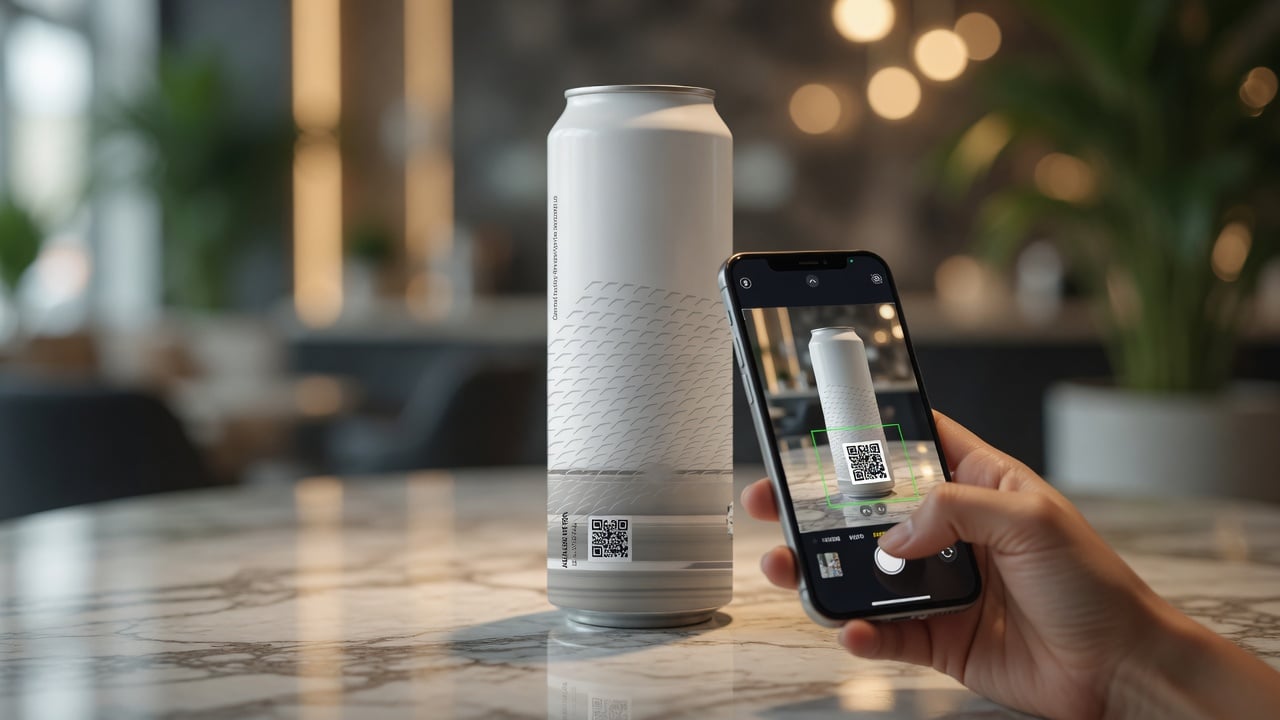
Three unrelated designs get fixed with a shared spine and type badges. Overstock of premium SKUs gets fixed with station maps and still-first reorders. Late art for the second SKU gets fixed by batching proofs early. Staff who cannot tell cans apart need stronger visual cues, not longer copy. QR chaos across SKUs gets fixed with one journey framework and clear destination rules.
Name a brand owner and an ops owner. Anonymous ownership is how multi-SKU turns into multi-mess.
Pricing without fake list rates
Unit cost moves with case count, can size, print path, and water type. Sparkling can carry a small per-can premium. We do not invent unit prices here. Run the instant quote calculator with real inputs for each SKU, then compare total program cost across still volume plus peak SKUs.
Bring these four inputs so finance gets numbers you can defend:
- Case count per SKU
- Can size
- Print path (label vs digital)
- Water type mix and first service date
Buyer checklist for multi-SKU brand systems
- Confirm which pours you truly need in the first 90 days.
- Confirm minimum order per SKU path (21 cases / 504 cans for label pilots).
- Confirm lead time from artwork approval, not first inquiry.
- Confirm sizes for each station type.
- Confirm print path for pilot vs scale.
- Confirm art system rules so SKUs stay related.
- Confirm ops codes for receiving and reorders.
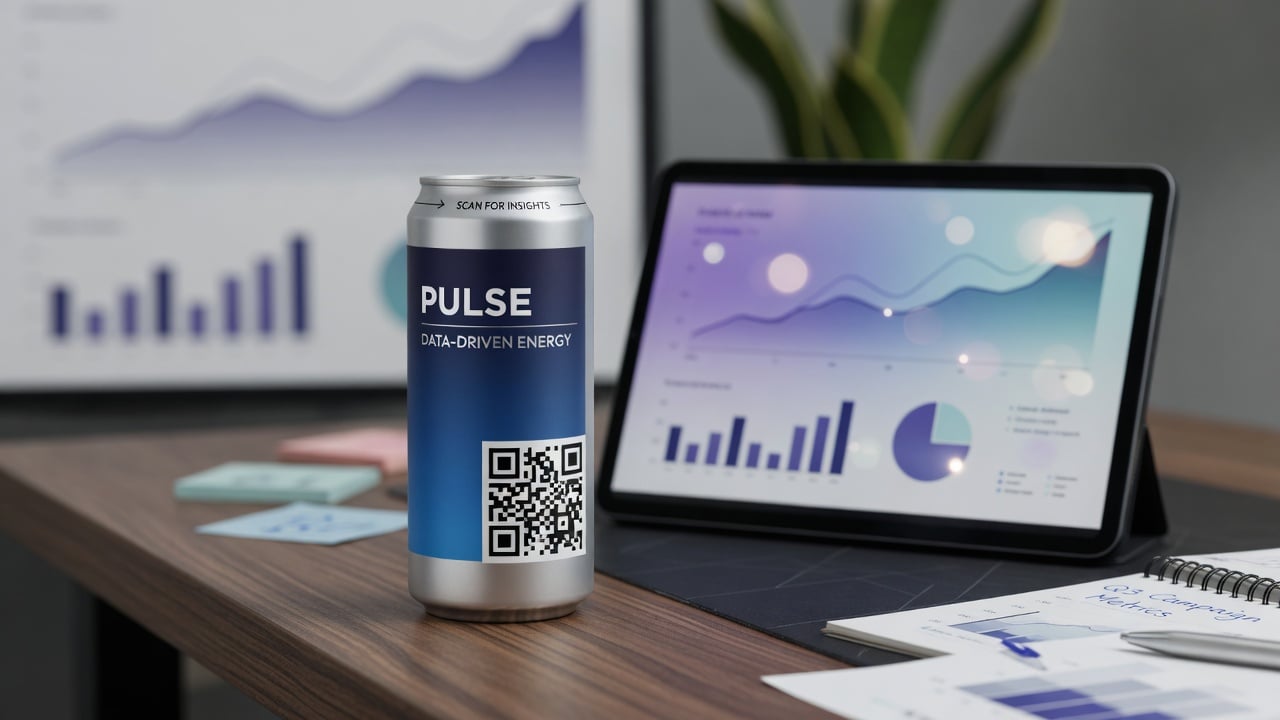
- Confirm QR destinations if codes differ by SKU.
- Confirm freight timing for the first peak date.
- Name one brand owner and one ops owner.
What the two weeks before art lock look like
Day 1 to 2: Choose still plus one peak pour (usually sparkling) and write why each exists. Day 3 to 4: Design system and type cues so cooler adjacency is tested early. Day 5: Proof approval and quote lock for both SKUs. Artwork lock starts the clock. Then production: Typical window is about 2 to 3 weeks from approval. Pad for freight. After delivery: Stock by station map, train, measure, reorder still first.
If a date cannot fit that window, change the date or the scope. Do not pretend late art is free.
What good looks like after 90 days
Ninety days in, guests and staff can name the pours without confusion. Reorders follow a simple still-first rhythm. Photos show one brand, not three random products. Finance sees clear case economics by SKU. Marketing can add a third pour without redesigning the system. That is the bar for custom alkaline sparkling water cans under one brand.
FAQ
Can we order custom alkaline and sparkling water cans without a 10,000-unit minimum?
Yes. We Can It starts at 21 cases (504 cans). Many teams pilot one pour first, then add a second SKU.
How long does multi-SKU production take?
About 2 to 3 weeks from artwork approval is typical per production path. Batch proofs when you can so timelines stay aligned.
Should still, sparkling, and alkaline share the same artwork?
Share the brand spine. Differentiate type cues. That keeps one system without making cans identical and confusing.
What sizes are available?
12oz Regular, 12oz Sleek, and 16oz. Match size to station and service style.
Where can I compare pour types?
Start with still, sparkling, and alkaline manufacturer pages, then run the calculator.
Does We Can It ship outside Florida?
Yes. Production is in Miami. Cases ship nationwide across the US.
Get a quote for custom alkaline sparkling water cans
Ready to run multi-SKU cans under one brand system?