Best Branded Water Solutions for Golf Clubs and Membership NPS
On a busy Saturday the pro shop cooler tells a story before the first tee shot. Private-label cans make that moment work harder for membership and NPS.
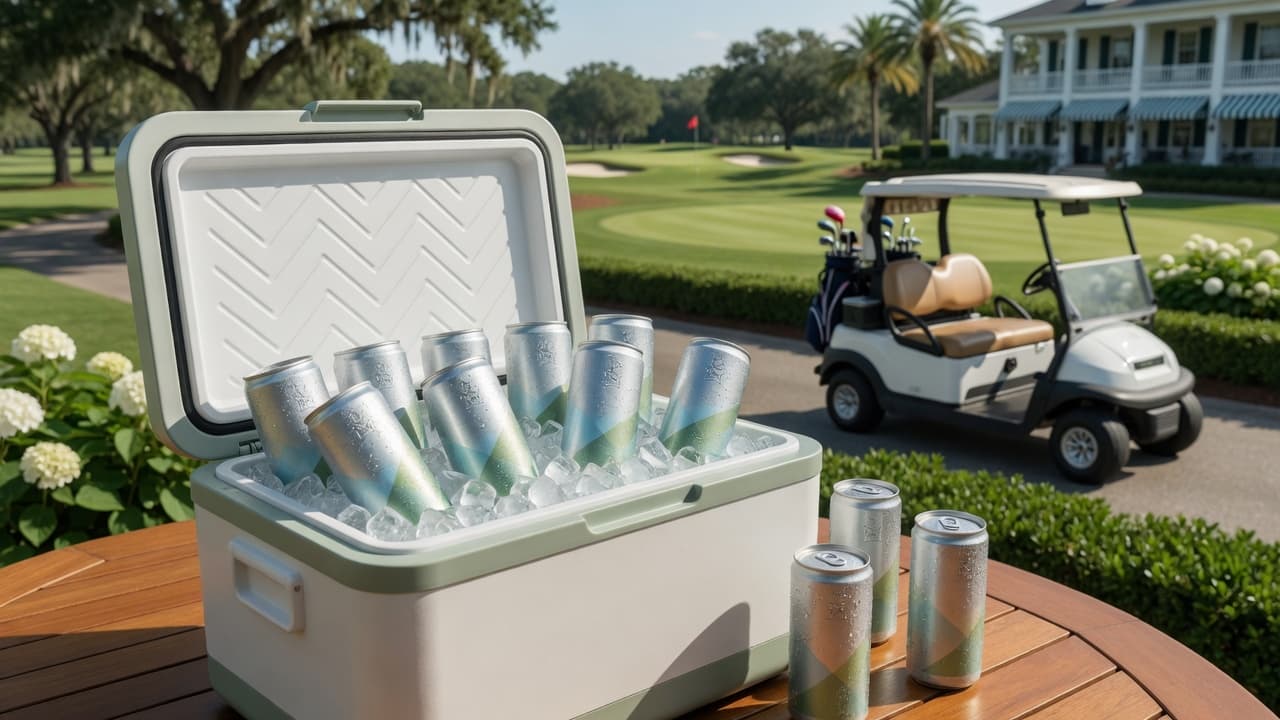
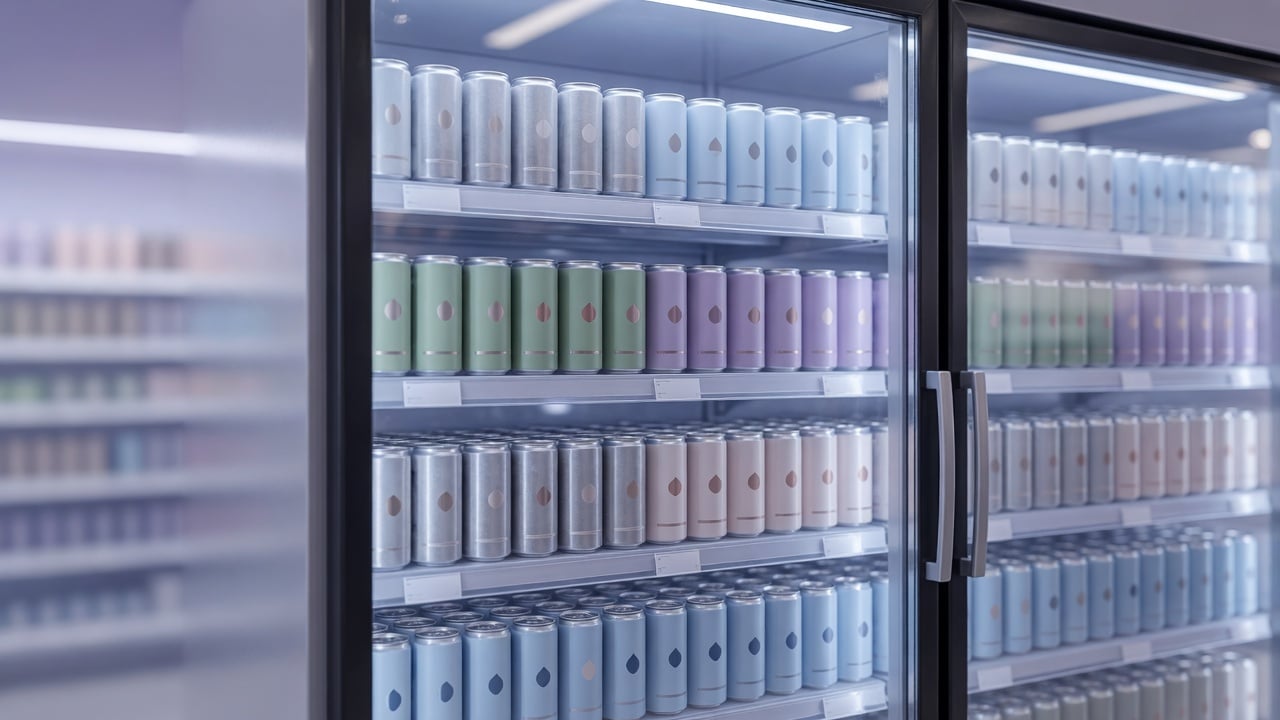
Saturday at 8:40 a.m. the bag drop is already humming. A member opens the cart cooler before the first tee shot, grabs whatever is cold, and forms a quiet opinion about the club. That opinion is not a speech. It is a feeling. Did this place finish the details, or did someone throw a bulk pallet into a cooler and call it hospitality?
Private label canned water for golf clubs is how that moment starts working harder for membership, marketing, and F&B without a hard pitch on the first tee. Full-wrap aluminum cans carry your crest, stack cleanly on the path, and give you a simple place for feedback or join journeys when you want them. This guide is for membership directors, general managers, and marketing leads who care about NPS and the small signals members notice before they ever fill out a survey.
What is private label canned water for golf clubs?
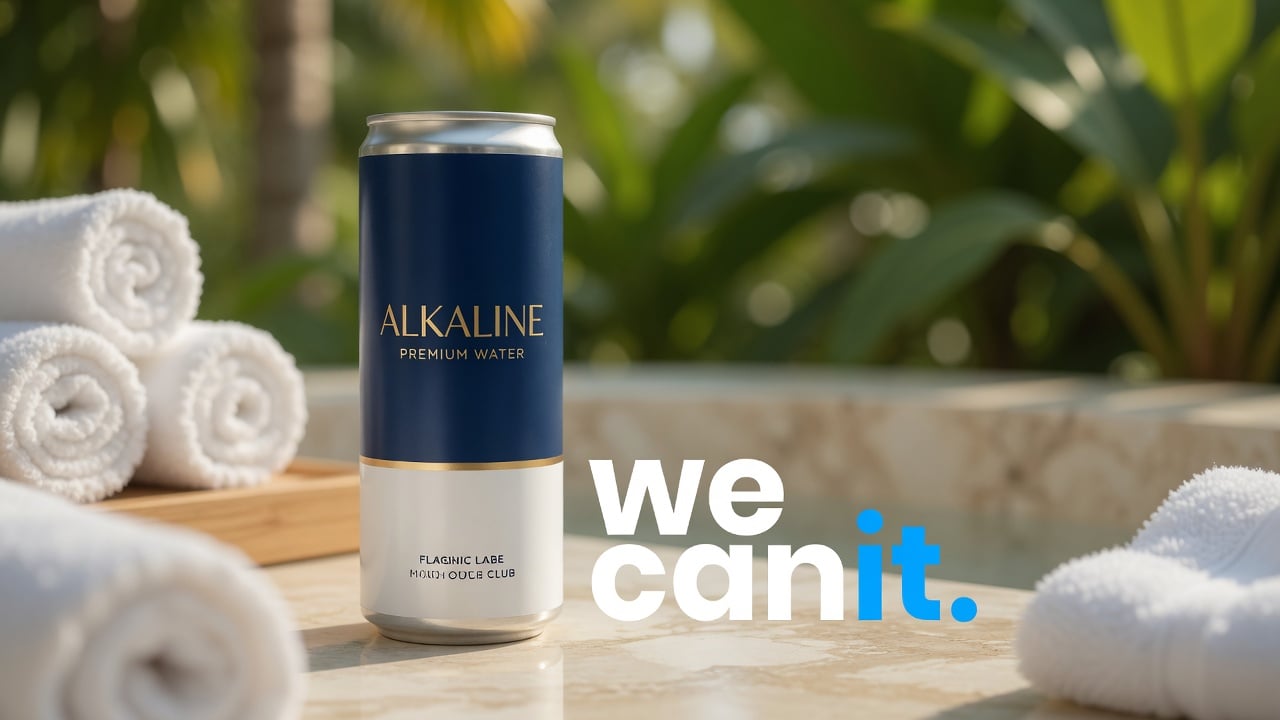
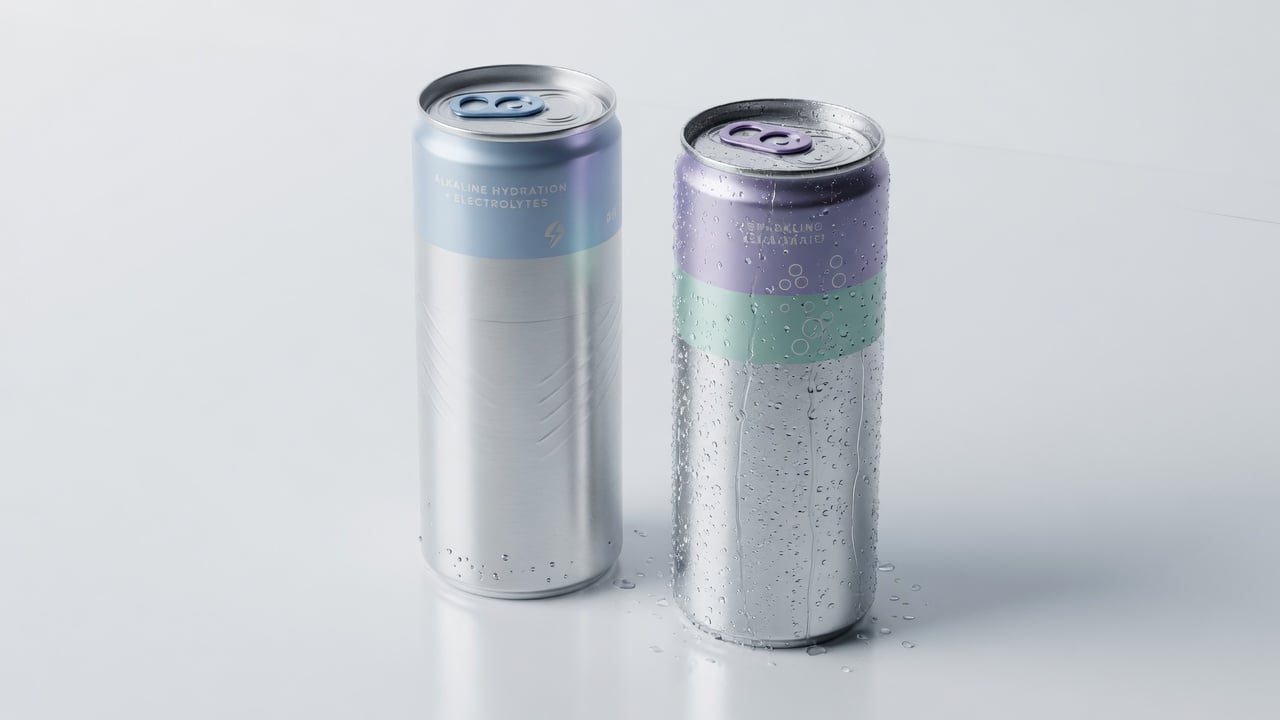
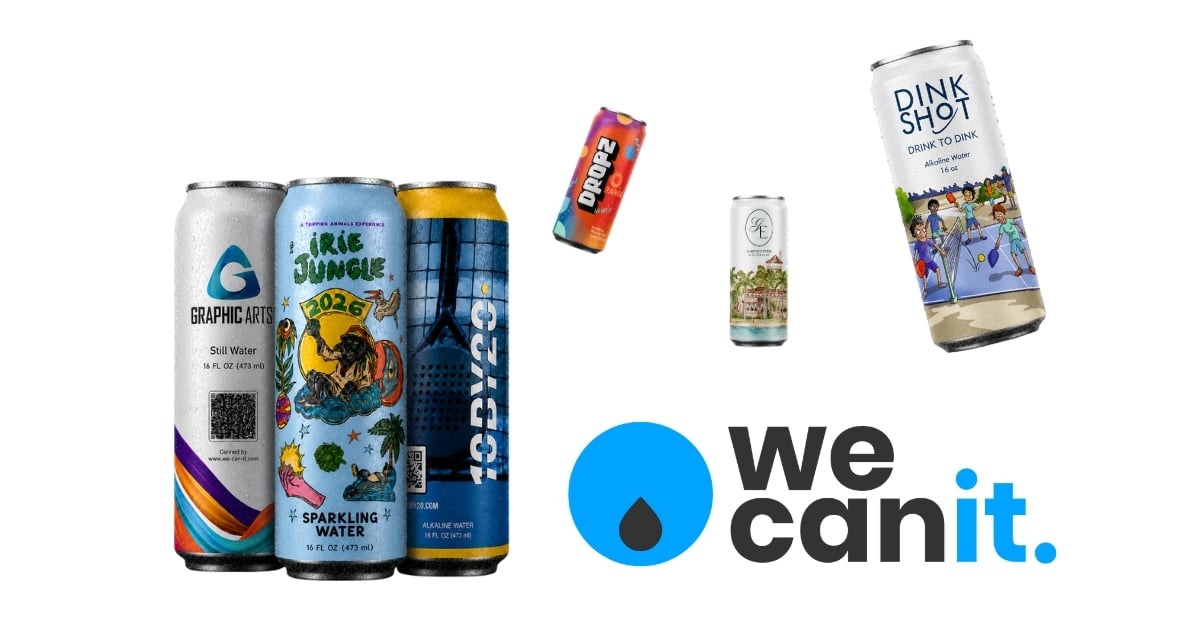
Private label canned water for golf clubs is still, sparkling, or alkaline water filled into aluminum cans with your club brand on the wrap. You choose the design, size, and water type. We Can It produces and ships cases you can stock in the pro shop, halfway house, cart coolers, member events, and tournament hospitality.
Unlike a one-time imprint catalog bottle, private label is built for reorders that look the same season after season. That matters when your crest, wordmark, and colors already live in a brand book that took years to protect.
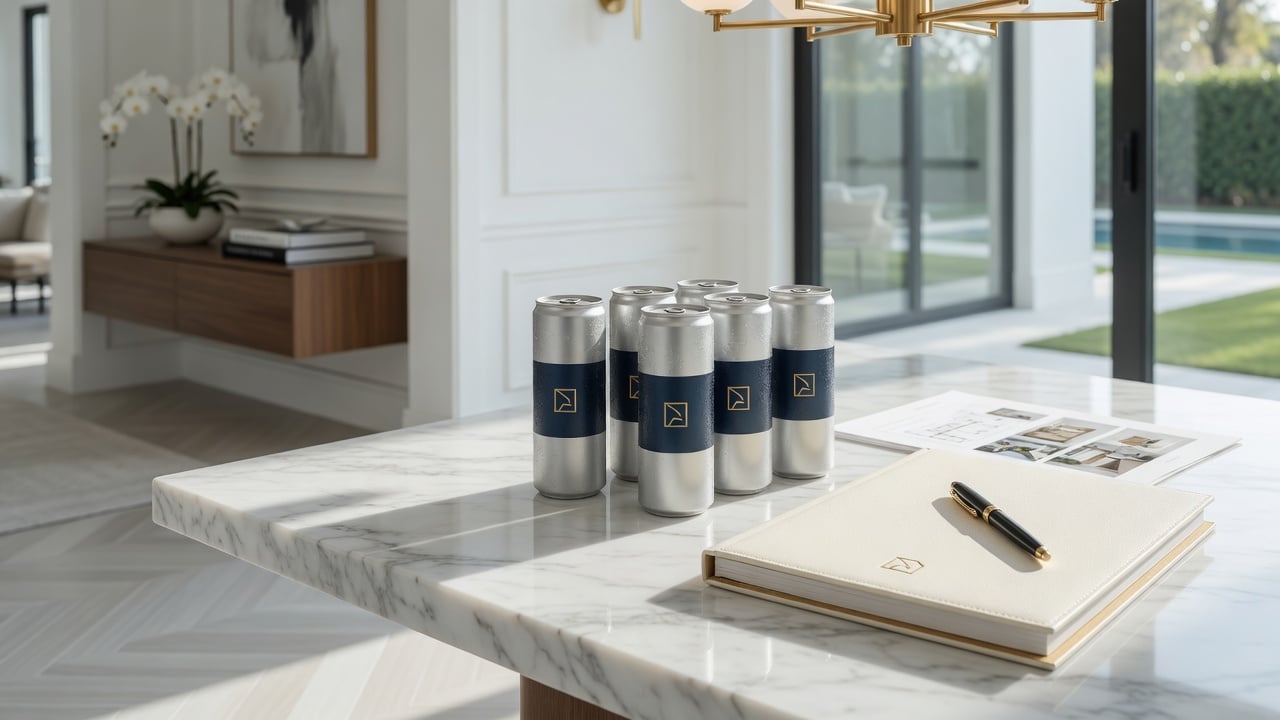
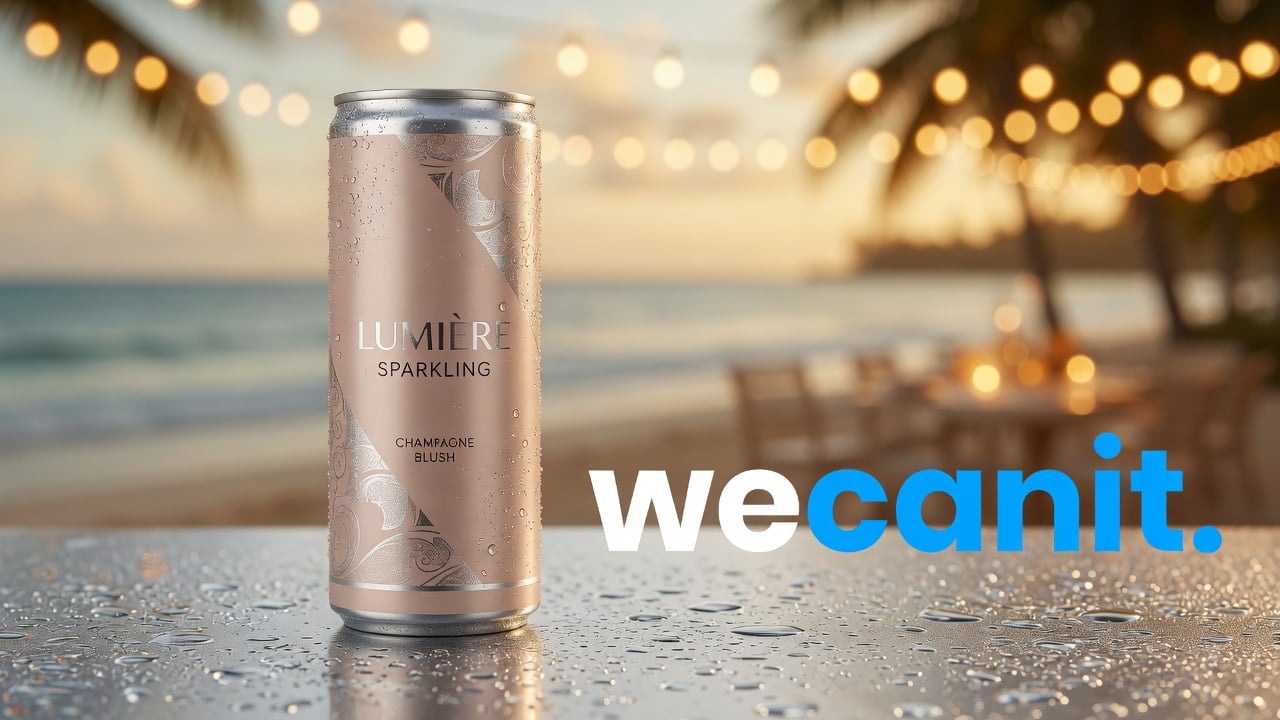
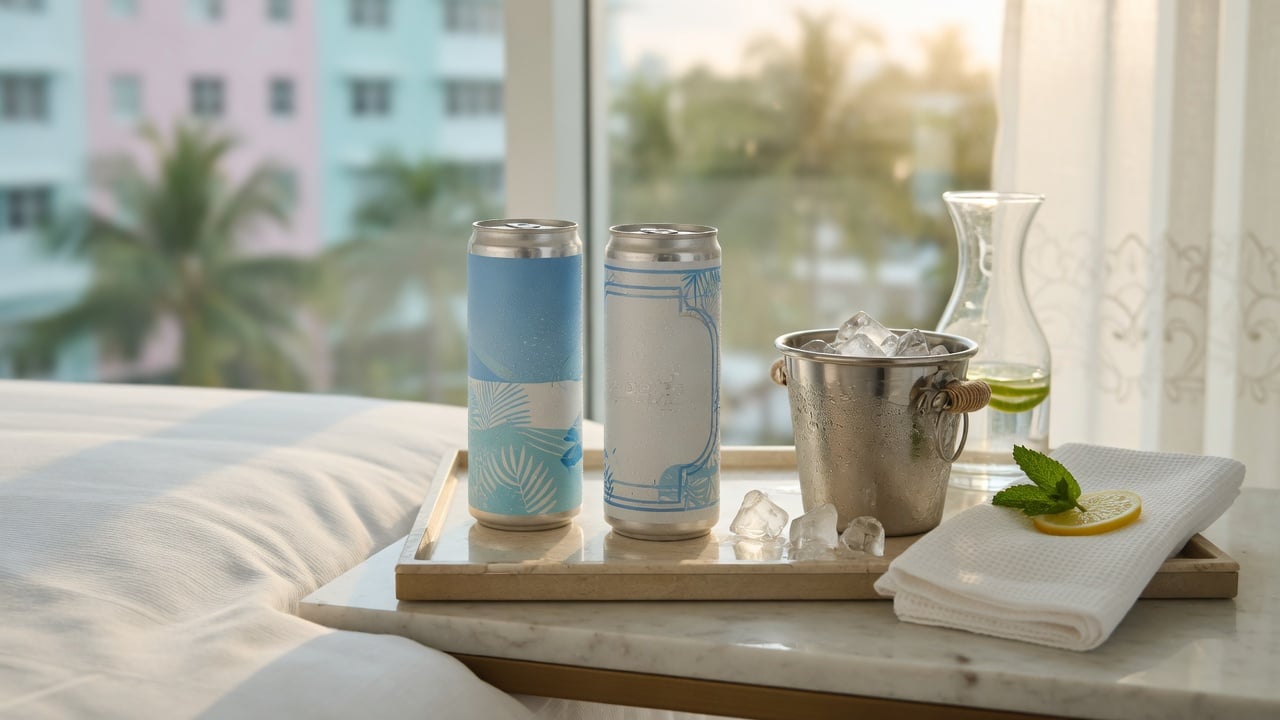
Members notice packaging before they debate minerals. A full-wrap can feels premium in the hand, stacks cleanly in a cooler, and photographs well next to a cart or clubhouse patio. When the wrap matches the rest of the club identity, the amenity feels intentional. When it does not, the experience breaks for a second every thirsty member experiences, and those seconds add up.
The amenity problem clubs already pay for
Most club water is a pure cost line. It carries no message, drives no membership conversations, and gathers no feedback. Meanwhile the best moments for goodwill pass quietly: after the first nine when energy dips, at the halfway house when staff are busy, during tournaments when guests form first impressions, and at member-guest weekends when the whole property is on display.
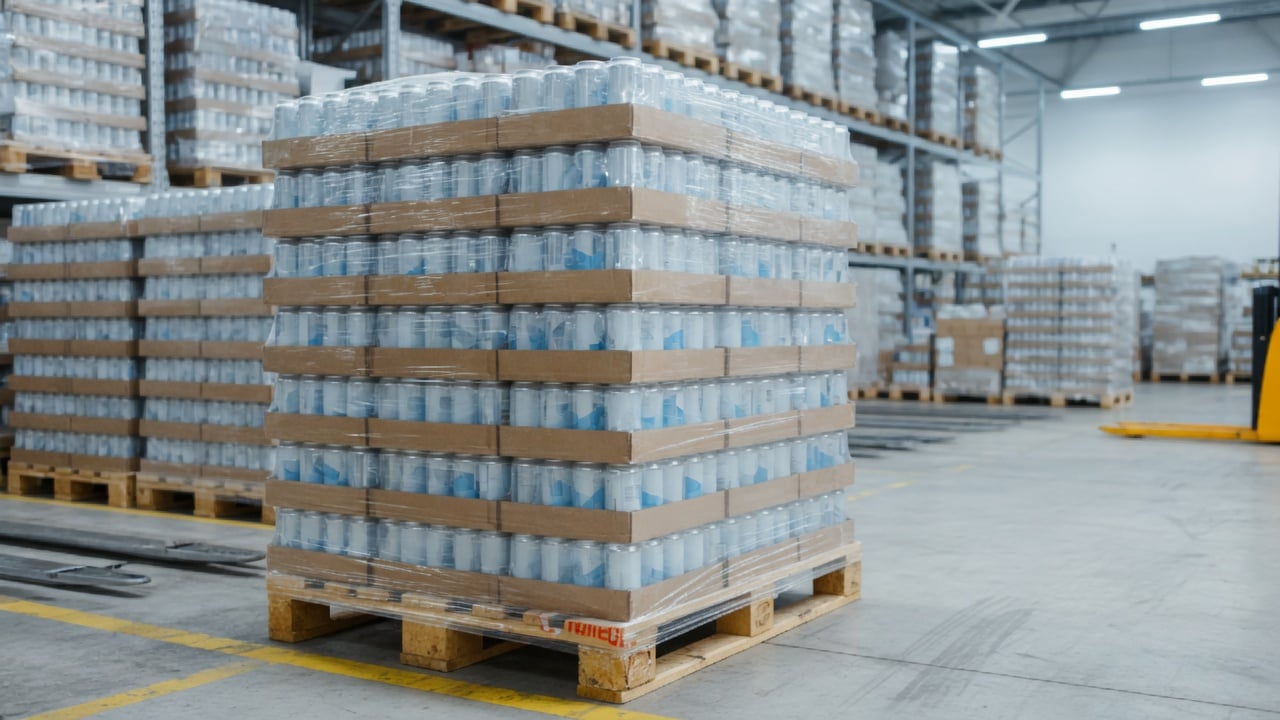
The can in the cart cooler is already in the member's hand. That is the moment to look like a club worth belonging to. You are already buying water. The only open question is whether that spend looks like your brand or like a gas station pallet with a different logo on every case.
How branded water supports membership NPS without feeling salesy
NPS moves for many reasons: course conditions, pace of play, food and beverage, staff warmth, and perceived value. Amenity packaging is not the only lever. It is a visible one. When the cooler looks intentional, members feel the standard. When it looks random, they feel that too, even if they never name it in the survey box.
Customer success and membership teams can tag comments that mention water, branding, or a scan experience. Over a quarter, that qualitative set strengthens the next reorder brief and the next board conversation about hospitality standards. You do not need a fake dashboard. You need a habit of listening where members already speak.
QR journeys that fit a golf club
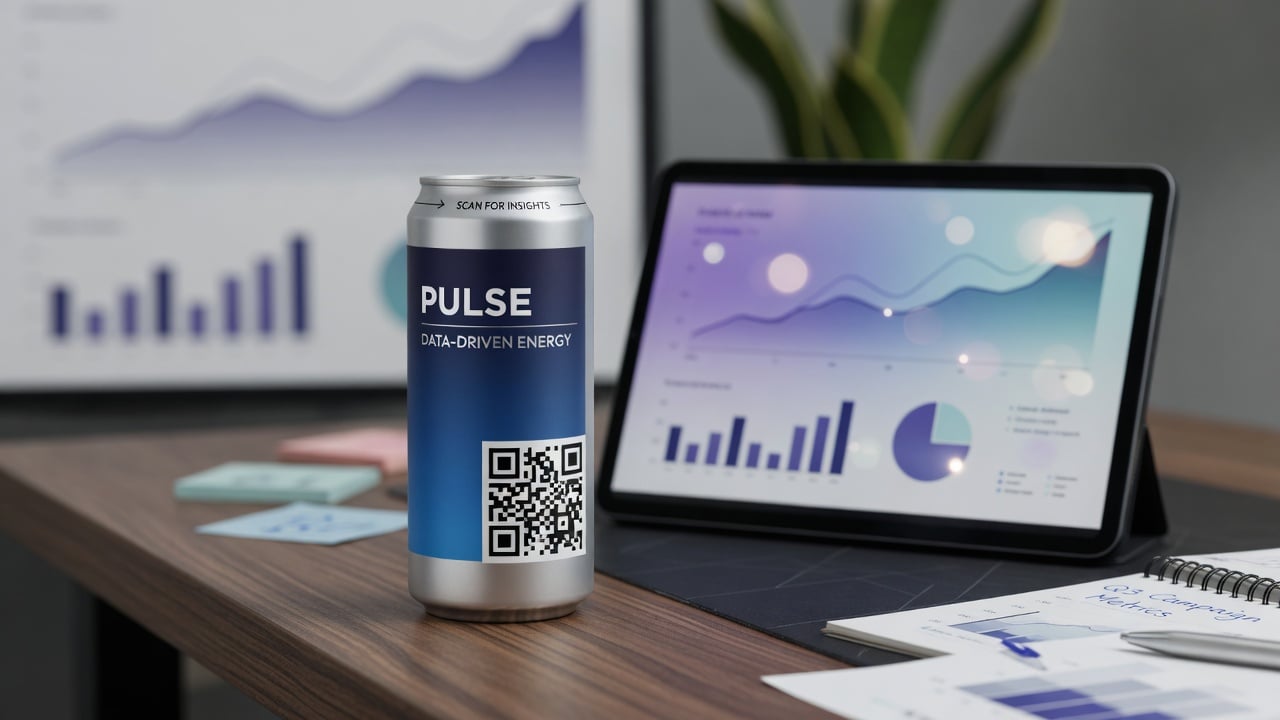
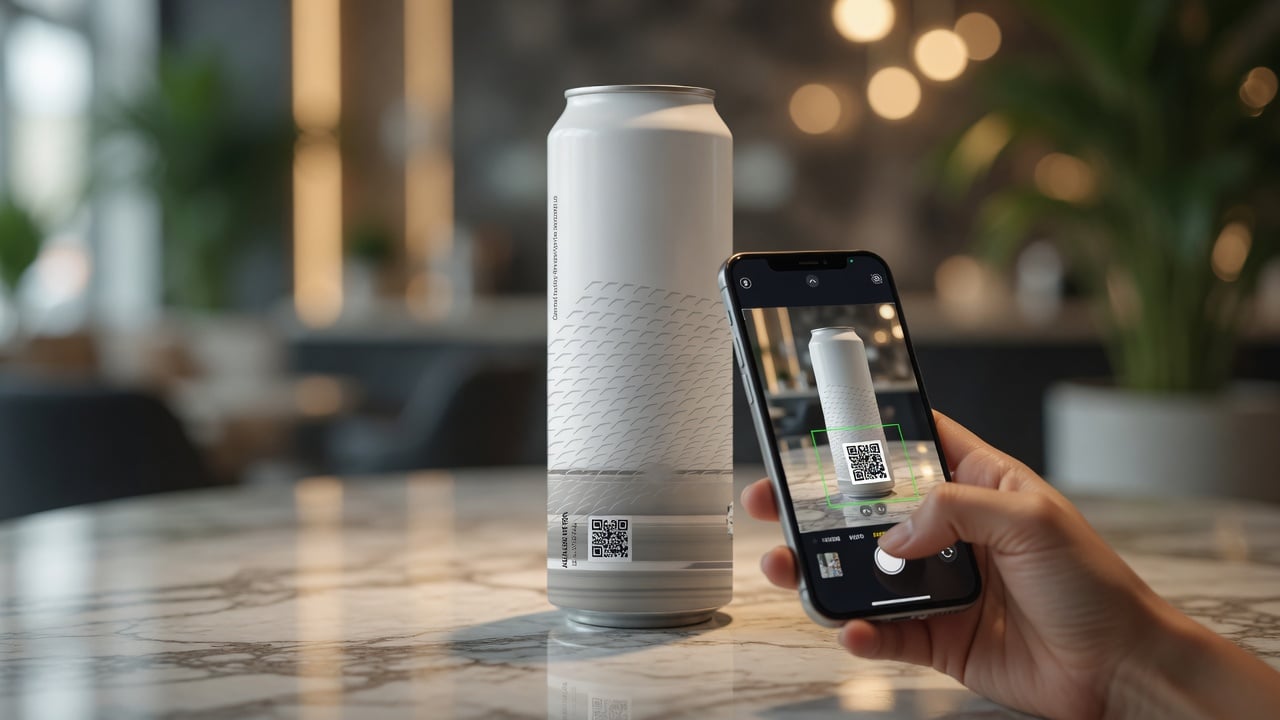
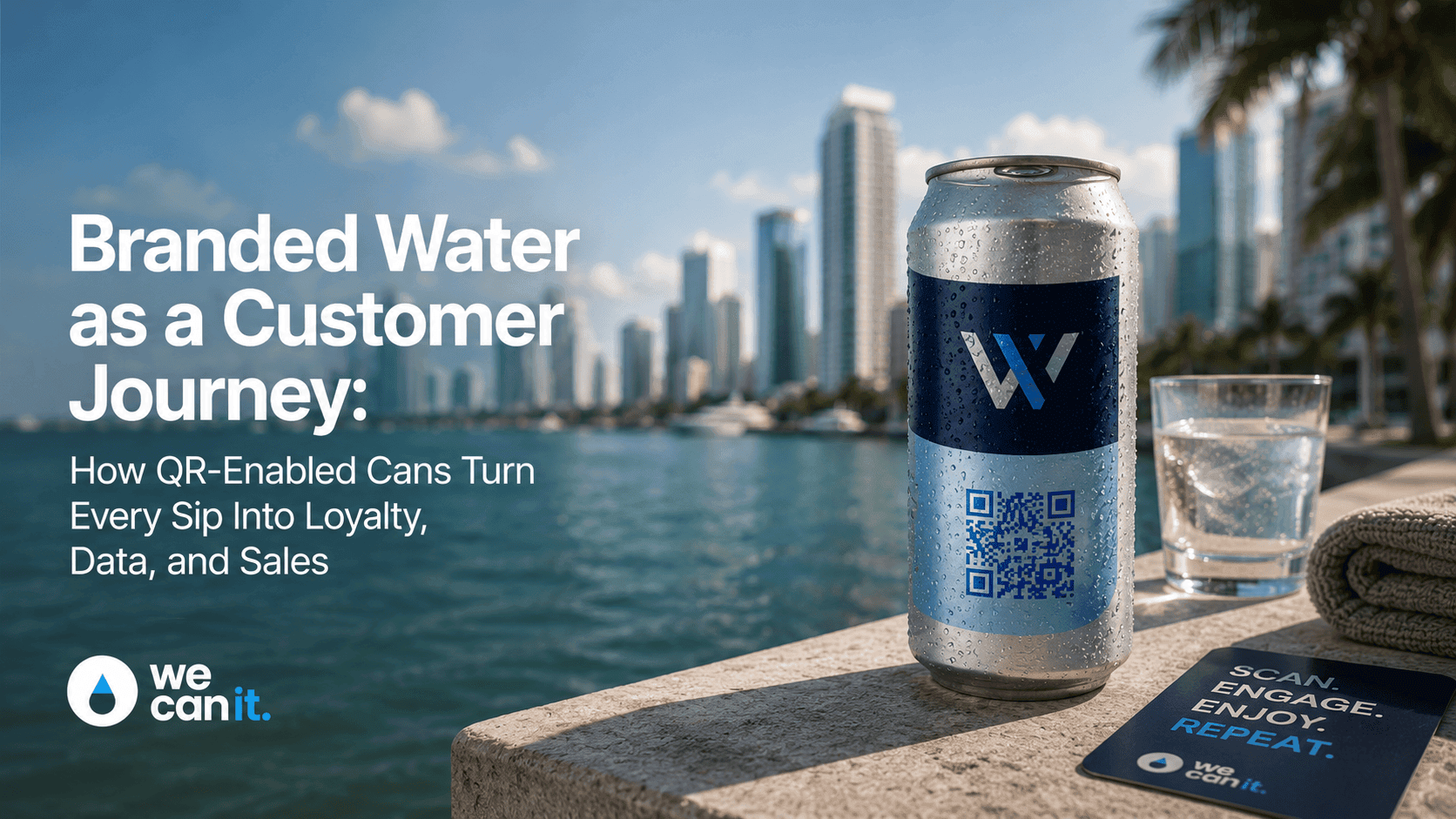
A QR on the wrap can open a real journey when the destination is live and useful. Keep it short and honest. Empty QR destinations damage trust faster than no QR at all.
- Membership inquiry or waitlist form with short fields only
- Member app download or account login help
- Event registration for member-guest or twilight leagues
- Post-round feedback while the round is still fresh
- F&B specials for the clubhouse patio that day
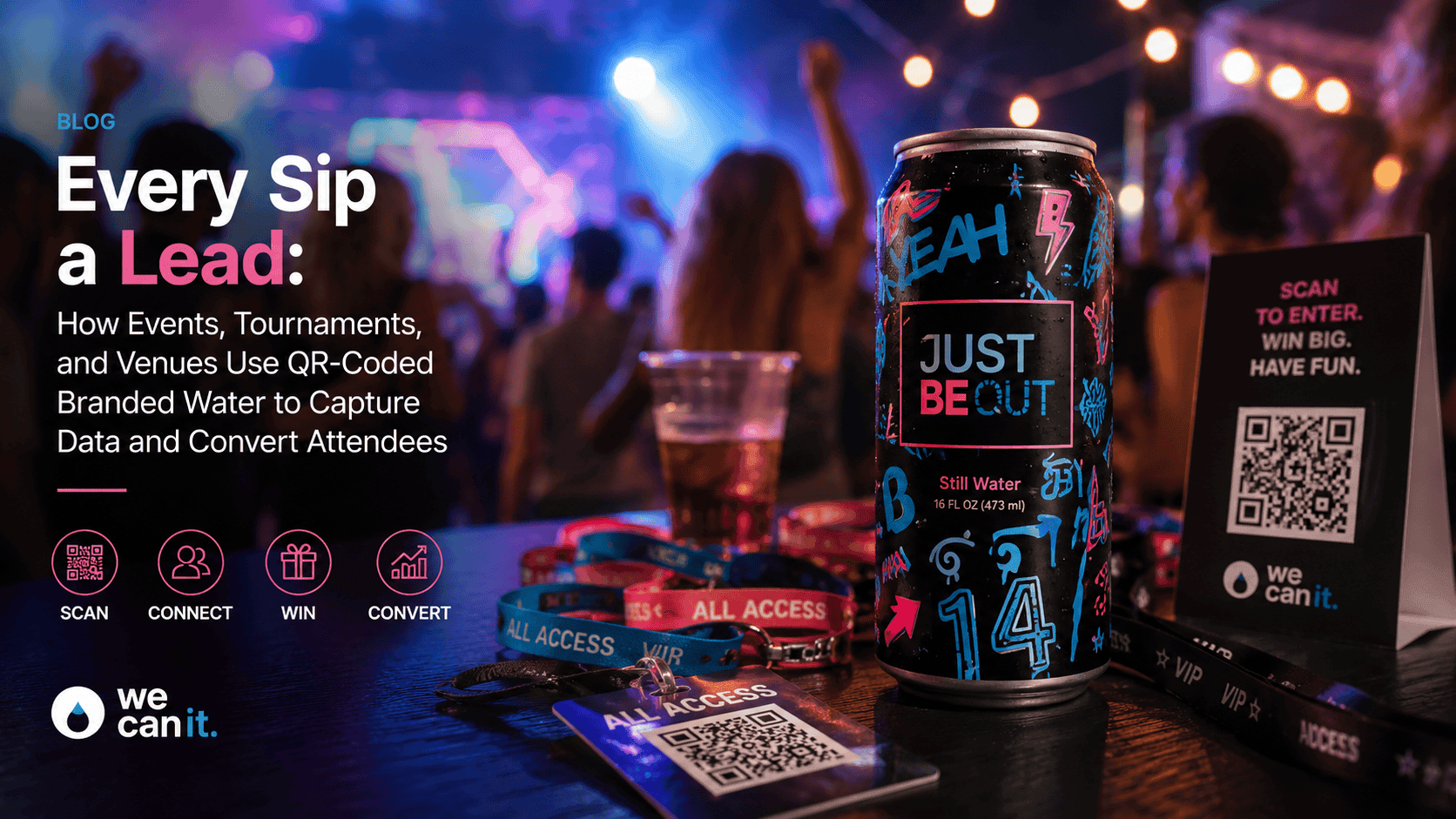
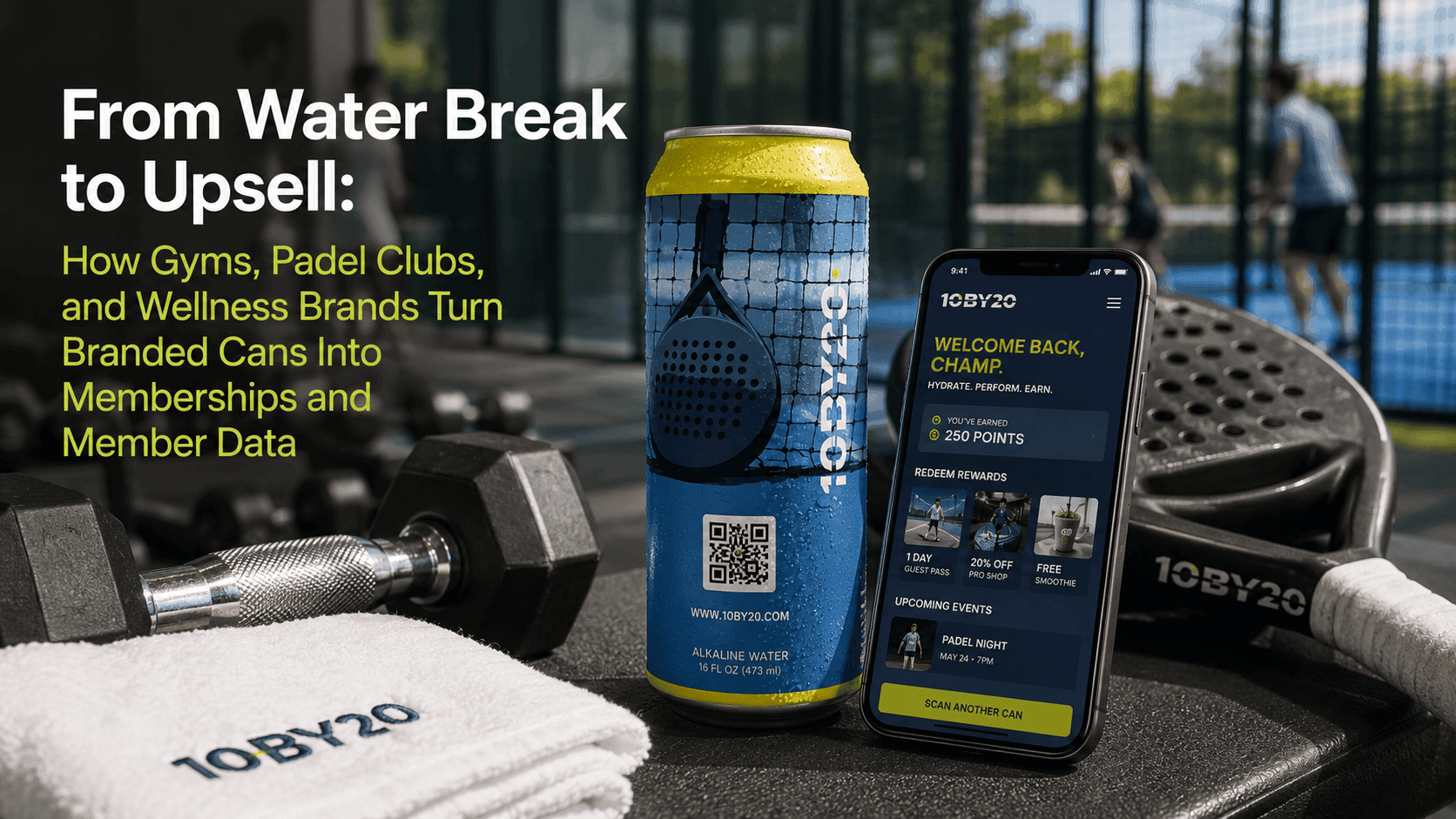
The pour is hospitality. The QR is the invitation. Related reading for digital journeys: branded water with QR codes and QR loyalty strategies for fitness clubs.
What golf clubs should demand from a private label partner
Before you lock art, check five simple things so the first cooler test does not become a logistics story for the wrong reasons.
- Low minimums so one tournament or one cooler zone can pilot (We Can It starts at 21 cases / 504 cans)
- Lead times that match member-guest weekends and season openers (about 2 to 3 weeks from artwork approval is typical)
- Sizes that fit cart coolers and pro shop service (12oz Regular, 12oz Sleek, 16oz)
- Print paths for pilots and larger programs (label from 21 cases, digital print from 100)
- A clear quote path through a calculator or custom quote, not a black-box call loop
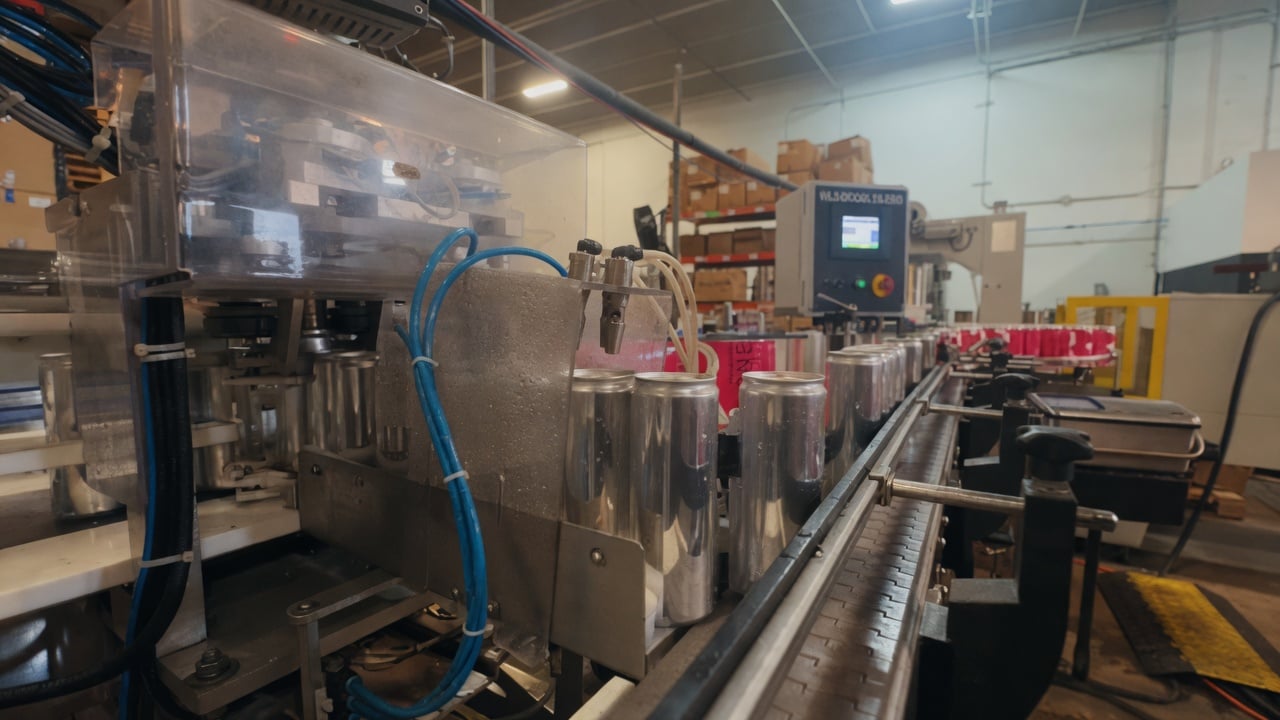
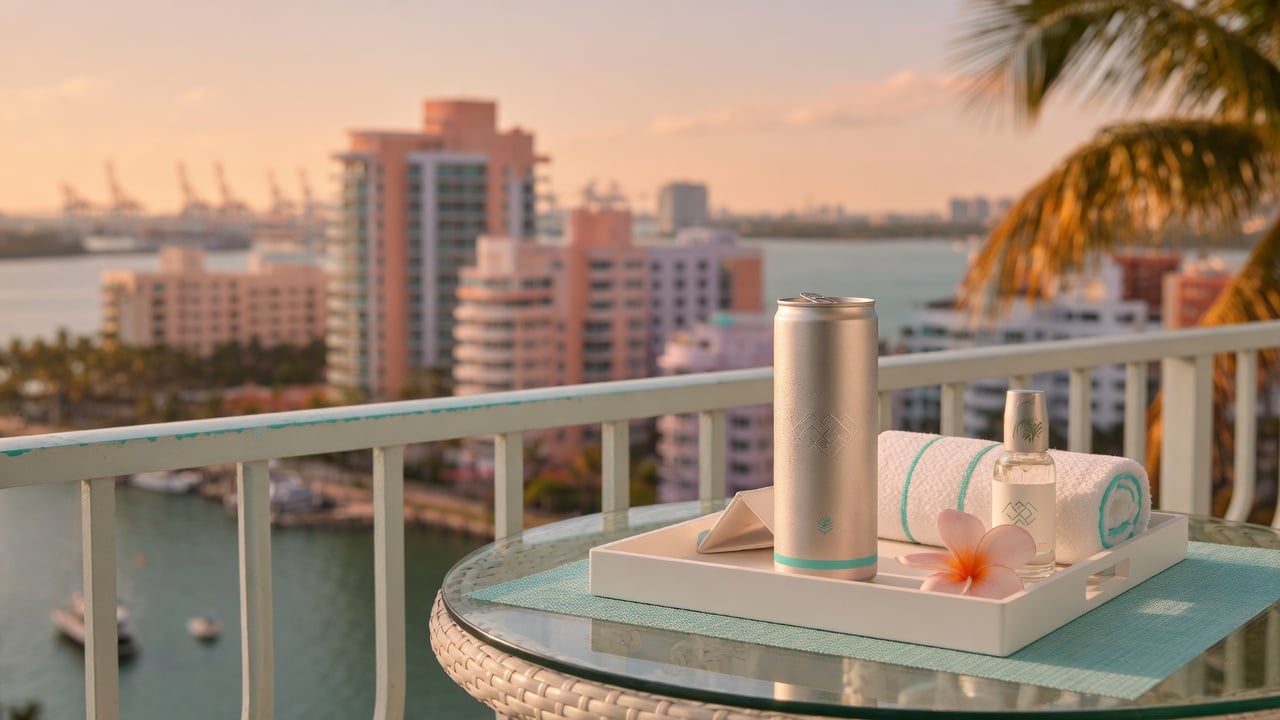
We produce private-label still, sparkling, and alkaline in Miami and ship nationwide. Our manufacturing and packaging process is described for you here: Technology · Water and Products. Questions? Get a quote and a product advisor will email you quickly.
For golf-specific program framing, see our golf solutions page when you are mapping cooler stations and cart path service.
Still, sparkling, and alkaline on the course
Not every pour belongs in every cooler. Match the water to the moment so staff and members can tell the story without a training binder.
- Still: everyday volume for carts, pro shop, and range coolers
- Sparkling: lift for clubhouse bars, VIP tournament tables, and celebration moments
- Alkaline: flagship pour when the club sells premium wellness or post-round recovery positioning
Many clubs launch still first for volume, then add sparkling for peak hospitality under one brand system. That sequence protects cash and keeps learning cheap. You prove the wrap, the cooler density, and the staff script before you expand the SKU list.
Where private label cans earn their keep at a club
Pro shop and bag drop
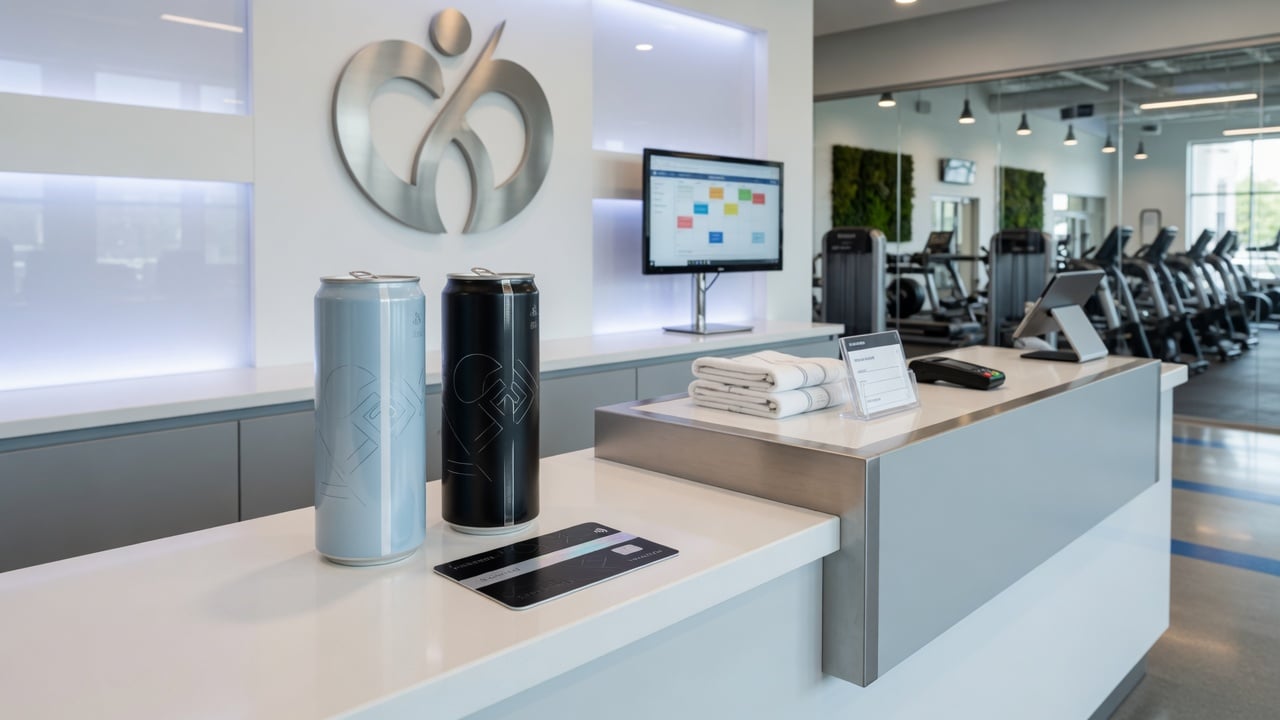
Members and guests form first impressions at the desk. A branded can next to range balls and towels says the club finishes details. Staff can answer in one sentence: "These are our club cans. Still is everyday. Sparkling is at the patio bar." That is enough. Members did not join a beverage seminar. They joined a club.
Halfway house and on-course coolers
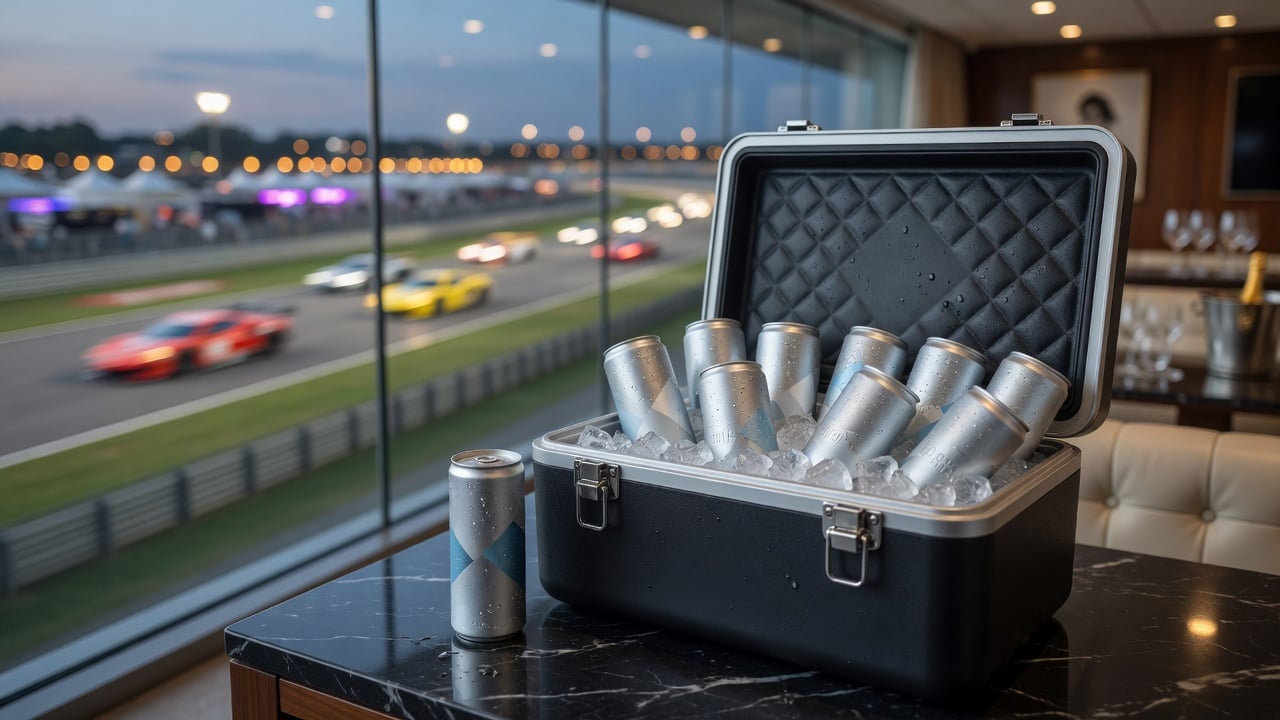
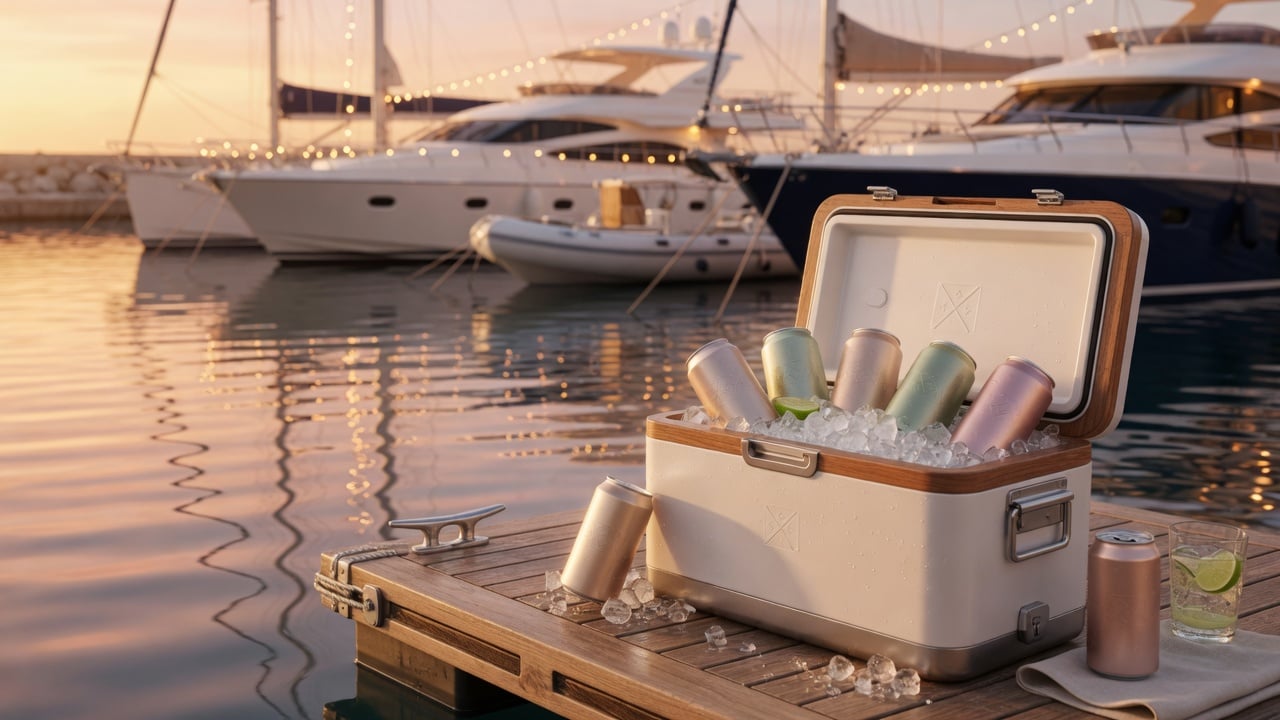
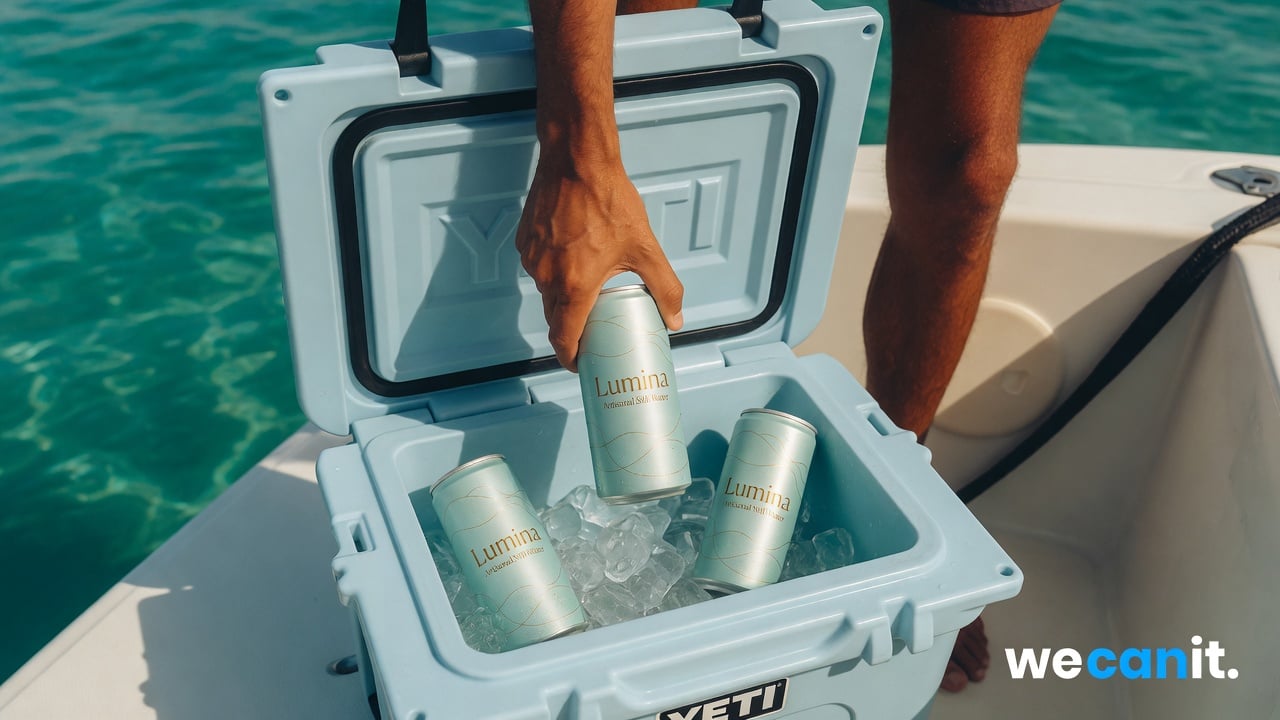
This is high-frequency thirst. Prioritize still for volume, glass-free aluminum for safety, and cooler density so restocks stay simple for F&B. When the halfway house looks intentional, the rest of the hospitality story feels less like a scramble.
Tournament and member-guest hospitality
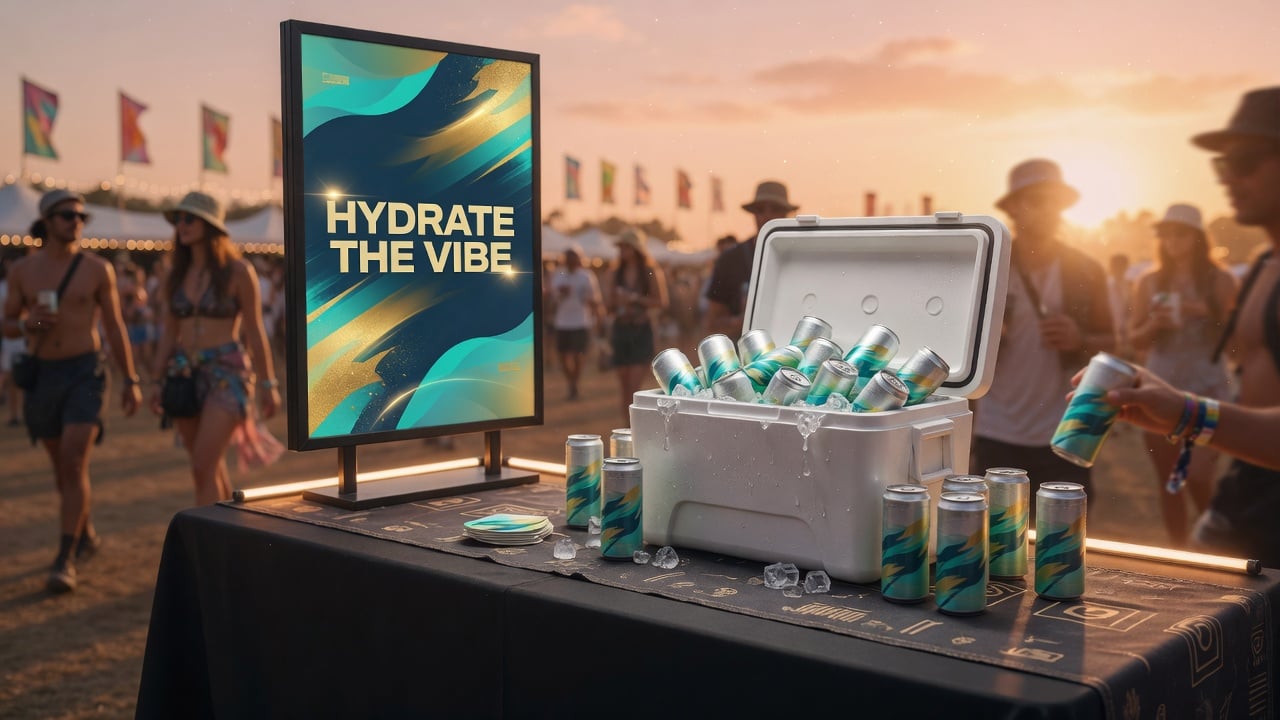
Guest lists photograph everything. Matching cans in hospitality coolers beat mismatched PET brands in every sales deck and social post that follows the weekend. If membership marketing is going to use those photos, the cooler should already look like the brand book.
Events, clinics, and junior programs
Seasonal art or a secondary wrap can mark a charity outing or junior academy without changing your core brand system. Keep legal and crest rules clear before print so you do not invent a second brand by accident.
How membership and F&B stock branded cans day to day
Membership cares about perceived value and comments. F&B cares about cooler turns, station hours, and waste. Still water in a branded can solves quiet failures of generic bottles: mismatched logos, awkward PET shapes on a premium cart, and zero story for the guest who only came for water.
A practical station plan keeps the story simple. Cart and on-course coolers stay still-first. Pro shop and bag drop act as brand-first display. Clubhouse patio and bar get sparkling when the moment is social. Tournament hospitality keeps matching art for photos.
Train staff to treat the can as part of the brand story in one sentence, not a five-minute pitch. Consistency across photos, member-guest weekends, and referral conversations is what a pure cost line never delivered. When every cooler shot shows the same wrap, the club identity compounds. When water is random, marketing spends elsewhere to rebuild a feeling the amenity could have carried for free.
Pilot one cooler zone before you roll the campus
You do not need a full-campus rollout on day one. Pilot one hero zone for two weeks and capture what actually happened: cases consumed by station, member comments at the front desk and in NPS tags, photo usage in membership marketing, and any ops friction on receiving or storage.
Then roll the same art to the next station. That is how you avoid twelve one-off experiments that never become a program. A program is just a pilot that earned a standing reorder.
What the two weeks before art lock look like
Reverse-plan from the tournament or season date, not from the first enthusiastic email.
Day 1 to 2: Align brief, budget band, and event date with GM, membership, and F&B. Day 3 to 4: Design and stakeholder review so crest rules and legal lines are not last-minute surprises. Day 5: Proof approval and quote lock. Artwork lock starts the production clock. Then production: Typical window is about 2 to 3 weeks from approval. Pad for freight to the club dock. After delivery: Stock, train, measure, reorder.
Soft art is the most common reason a member-guest weekend misses the cooler. If your date cannot fit that window, change the date or the scope. Do not pretend the factory can absorb a late art file without tradeoffs.
Pricing without fake list rates
Unit cost moves with case count, can size, print path, and water type. Sparkling can carry a small per-can premium. We do not invent shelf prices here. Run the instant quote calculator with real inputs: cases, size, print method, and whether still and sparkling share the brand.
Bring those inputs so finance gets numbers you can defend. A pilot at 21 cases is a controlled experiment. An opaque "call for quote" with no case math is a different conversation.
Buyer checklist for golf club programs
- Confirm minimum order supports a single-weekend pilot.
- Confirm lead time from artwork approval, not first inquiry.
- Confirm sizes for cart coolers and pro shop trays.
- Confirm multi-SKU support if sparkling will join later.
- Confirm QR destinations are live before print.
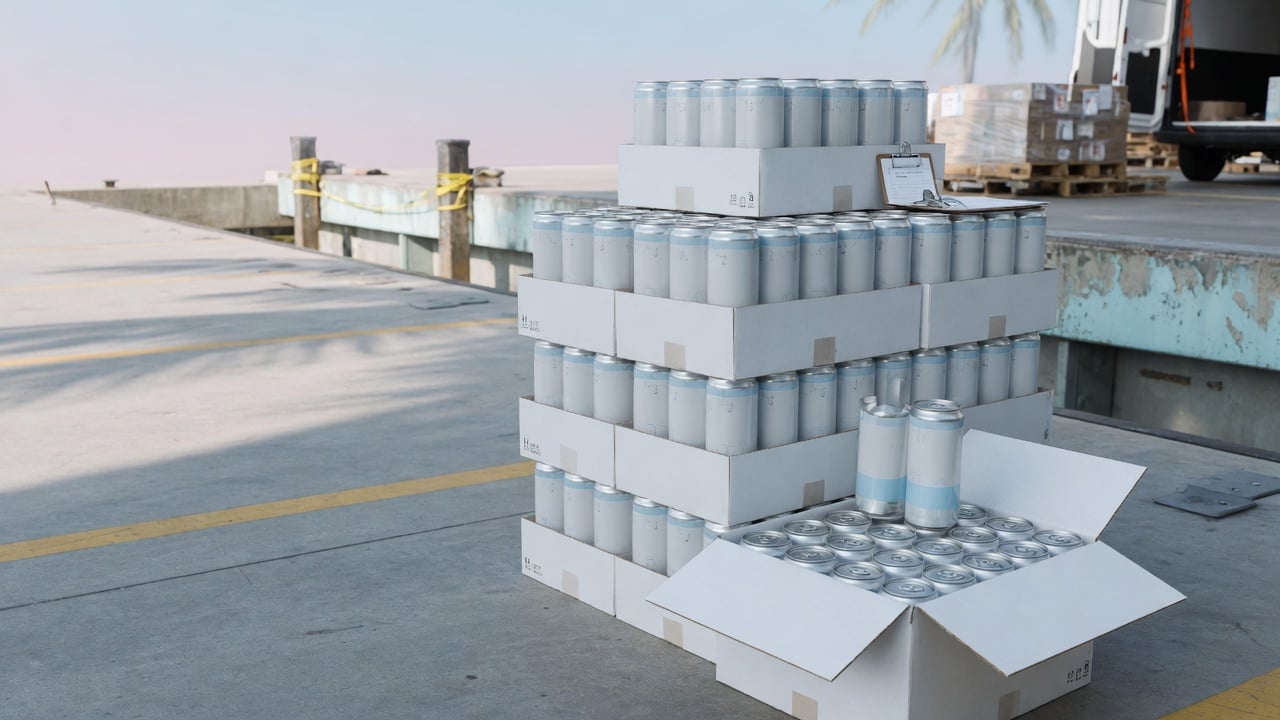
- Confirm freight timing ahead of the first big event.
- Name a reorder owner after the first real consumption week.
- Align crest and brand guidelines with marketing before proof.
What good looks like after 90 days
Ninety days in, you should see a reorder placed without redesign panic, staff who can explain the can in one sentence, membership decks with intentional cooler photos, and finance that understands the pilot-to-program path. Members notice the brand, not the generic bottle. NPS or comment tags may include hospitality packaging when relevant. That is the bar. Everything in this guide exists to help you clear it with less drama between season peaks.
FAQ
Can golf clubs order private label canned water without a 10,000-unit minimum?
Yes. We Can It starts at 21 cases (504 cans). That is built for pilots, tournaments, and single-cooler tests before a full-club rollout.
How long does production take?
About 2 to 3 weeks from artwork approval is typical. Reverse-plan from the tournament or season date, including freight.
Can we run still and sparkling under one brand?
Yes. Still for cart volume, sparkling for clubhouse peaks, same art system.
Where should golf clubs put QR codes?
Only where the journey is live: membership inquiry, event registration, feedback, or F&B specials. Measure scans after the pilot.
What sizes work best on course?
Many clubs use 12oz for cart coolers and 16oz where longer rounds and heat drive larger pours. Confirm cooler geometry before you lock art.
Does We Can It ship outside Florida?
Yes. Production is in Miami. Cases ship nationwide across the US.
Get private label canned water for golf clubs
Ready to make club water look like your crest, not a bulk pallet?